Age rating and parents' guide:La canzone di Sakima
by Ursula Nafula
Ages 6–10
La canzone di Sakima by Ursula Nafula is best for children aged 6–10. It has mild violence, a few mildly scary moments, no romance and no bad language.
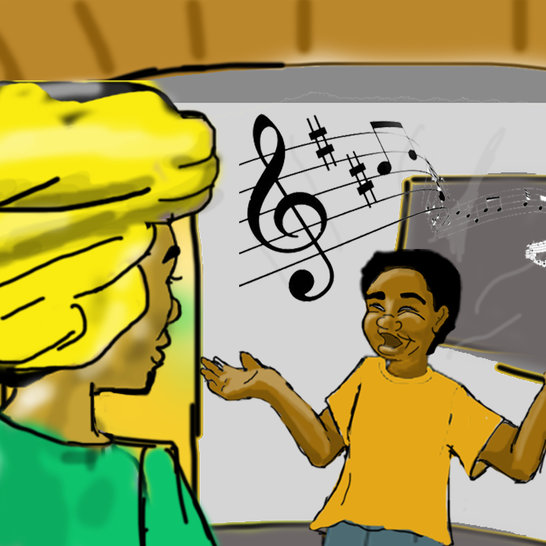
Six-year-old Sakima lost his sight when he was young, but he possesses a wonderful gift for music. Whenever his little sister is hungry or restless, his soothing songs bring her peace and comfort. A reassuring choice for talking about emotions and growing confidence.
Content ratings
How much of each a parent can expect, from none to strong.
- Violence
- Mild
- Scary moments
- Mild
- Romance
- None
- Bad language
- None

Content checked by Dhiraj Bodade, co-founder of Bookstaken, on .
At a glance
- Picture book
Books like La canzone di Sakima
Similar stories for the same ages, none more intense than this one should be for its youngest readers.
Ages 6–10
Decisão
by Ursula Nafula
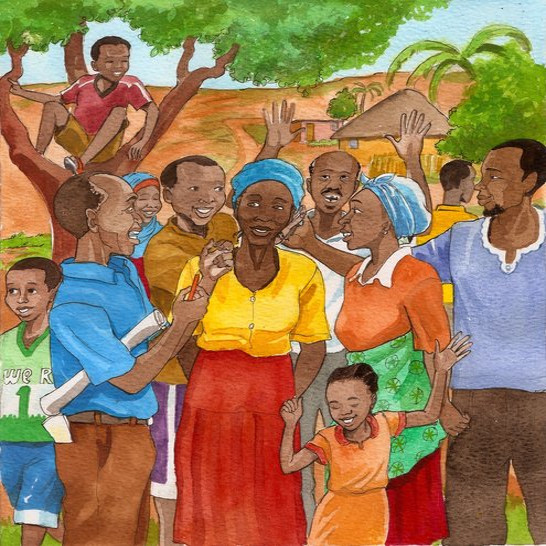
In a village facing severe hardships—from food shortages and litter to water taps that have completely run dry—the community struggles to get by. But when a father gathers everyone under a large tree for a town meeting, neighbors young and old decide to take matters into their own hands. Encourages young readers to reflect on belonging and being a good friend.
Ages 6–10
Bài hát của Sakima
by Ursula Nafula
Six-year-old Sakima lost his sight when he was young, but he possesses a wonderful gift for music. Whenever his little sister is hungry or restless, his soothing songs bring her peace and comfort. Invites children to share how they might feel or act in the same situation.

Ages 6–10
Il giorno che lasciai casa per la città
by Lesley Koyi, Ursula Nafula
Leaving his rural village behind, a young boy boards a bustling long-distance bus headed for the big city. Surrounded by shouting touts, hustling hawkers, and weary travelers, he squeezes into a window seat with only a small bag and no pocket money. A relatable way to explore family bonds and everyday experiences.

Ages 6–10
Bimbo asino
by Lindiwe Matshikiza
When a traveling mother gives birth to a donkey, the surrounding community turns away in fear of bad luck. Devoted to her unusual son, she raises him on her own, but growing up torn between animal instincts and human expectations proves agonizing. Invites older readers to reflect on compassion, courage, and resilience.
Ages 6–10
Als ich mein Zuhause verließ und in die Stadt zog
by Lesley Koyi, Ursula Nafula
Leaving his rural village behind, a young boy boards a bustling long-distance bus headed for the big city. Surrounded by shouting touts, hustling hawkers, and weary travelers, he squeezes into a window seat with only a small bag and no pocket money. Encourages children to share their own family stories and feelings.

Ages 6–10
Die Rache des Honiganzeigers
by Zulu folktale
When a hunter named Gingile hears the call of Ngede the honeyguide, he eagerly follows the bird to a wild fig tree brimming with honey. Helps readers explore feelings and approach everyday challenges with empathy.
A good book is the start. A mentor makes it stick.
In a free 1:1 session, a trained Bookstaken mentor reads with your child, asks what they think and helps the reading habit last.