
Books they won't put downBooks they won't put downFree list, picked just for themFree list, picked just for them
Signs to look for, what to say, how to help them find friends and someone to talk to, and when loneliness needs more help.

Why a mentor matters, where to find one, the safety checks to insist on, and the questions to ask before your child's first session.
Only children aren't lonelier or more spoiled than others, but they do need a different plan for company, play and time alone. Practical ideas for ages 6–14.

What brain studies found, why books feel hard after screens, and how to help your child reach for a book more often.

Why bribes and pressure backfire, what really makes children want to read, and how to reset when reading has become a battle.

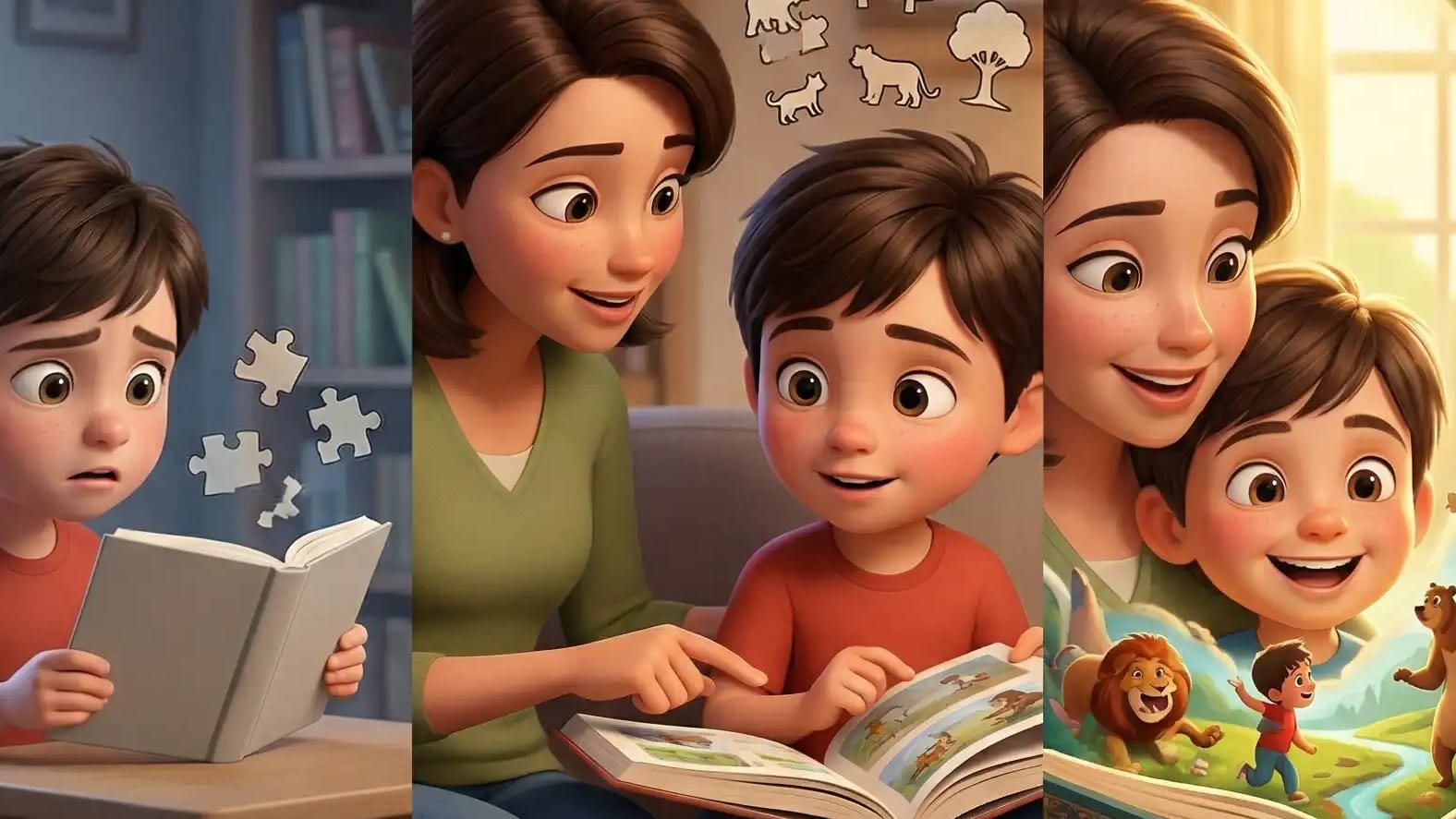
Why some children read every word but can't tell you what happened, and seven calm ways to build understanding at home, from picturing the story to retelling it.

Start from your child, not a list. Match books to their interests, check the level, avoid five common mistakes and help them build a taste of their own.

Why some children stop after two pages, and a simple plan to help them read for longer, a minute at a time.

Good all day at school, then tears and slammed doors at home. What after-school restraint collapse is, why it happens, and a calm plan for the first hour home.

There's no official number, but there is a sensible guide. Minutes by age, why daily matters more than long, and what to do if your child won't read for that long.
