Books they won't put downBooks they won't put downFree list, picked just for themFree list, picked just for them
AI can explain, quiz and give feedback, or it can do the thinking for your child. Simple family rules for homework, privacy and spotting fakes.

Reading sparks imagination and helps kids learn story structure. Discover simple ways to turn young readers into confident storytellers and creative writers.

Reading improves writing by building vocabulary, sentence structure, story sense, and creativity. Learn how books quietly teach kids to write better.

Listening builds the understanding side of reading, not the decoding side. How to use audiobooks so they help your child's reading instead of replacing it.

Only children aren't lonelier or more spoiled than others, but they do need a different plan for company, play and time alone. Practical ideas for ages 6–14.
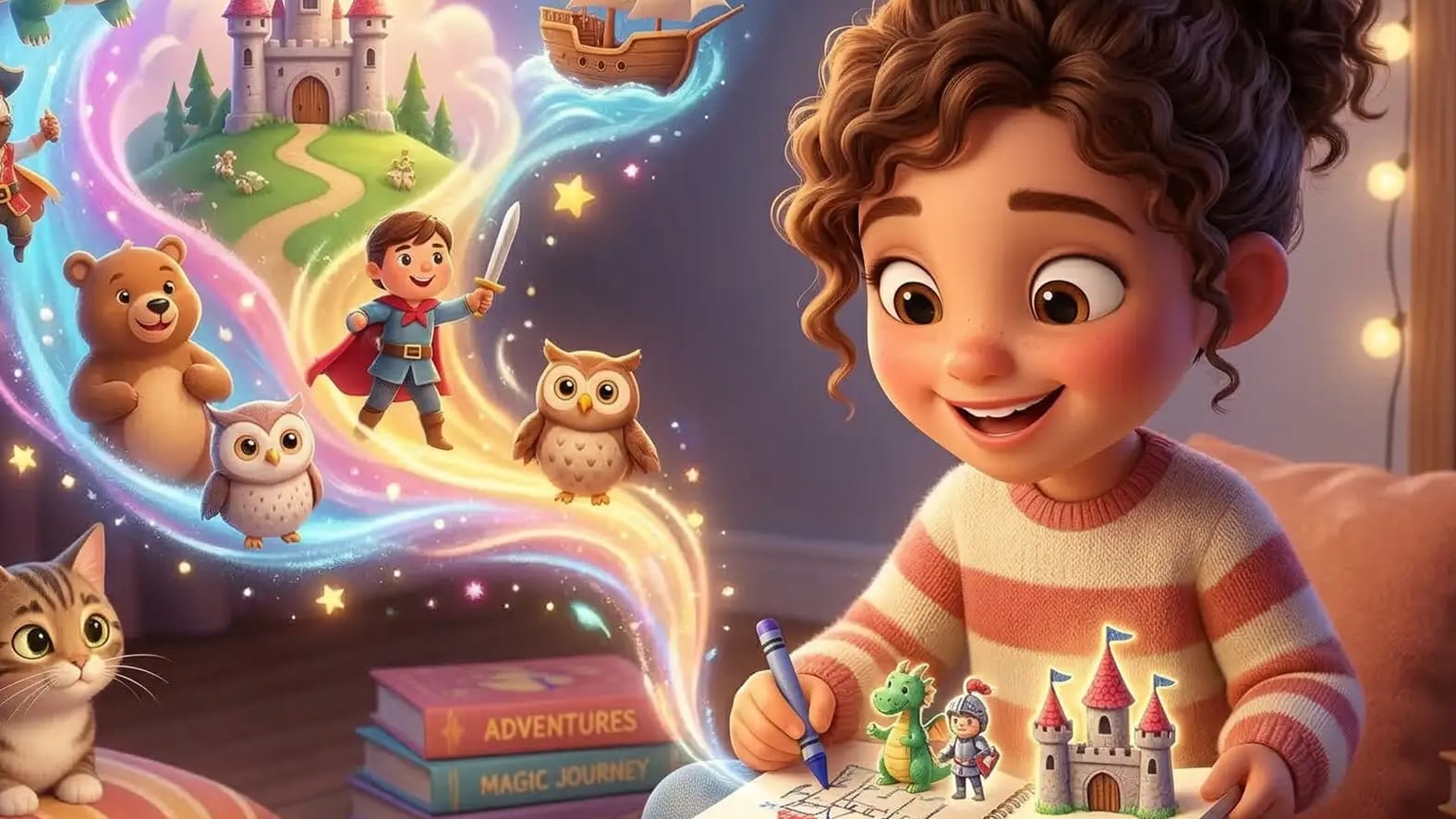
Low-prep ideas for after school, weekends, road trips and restaurants, sorted by where you are, plus how to get a screen-loving child to actually try them.
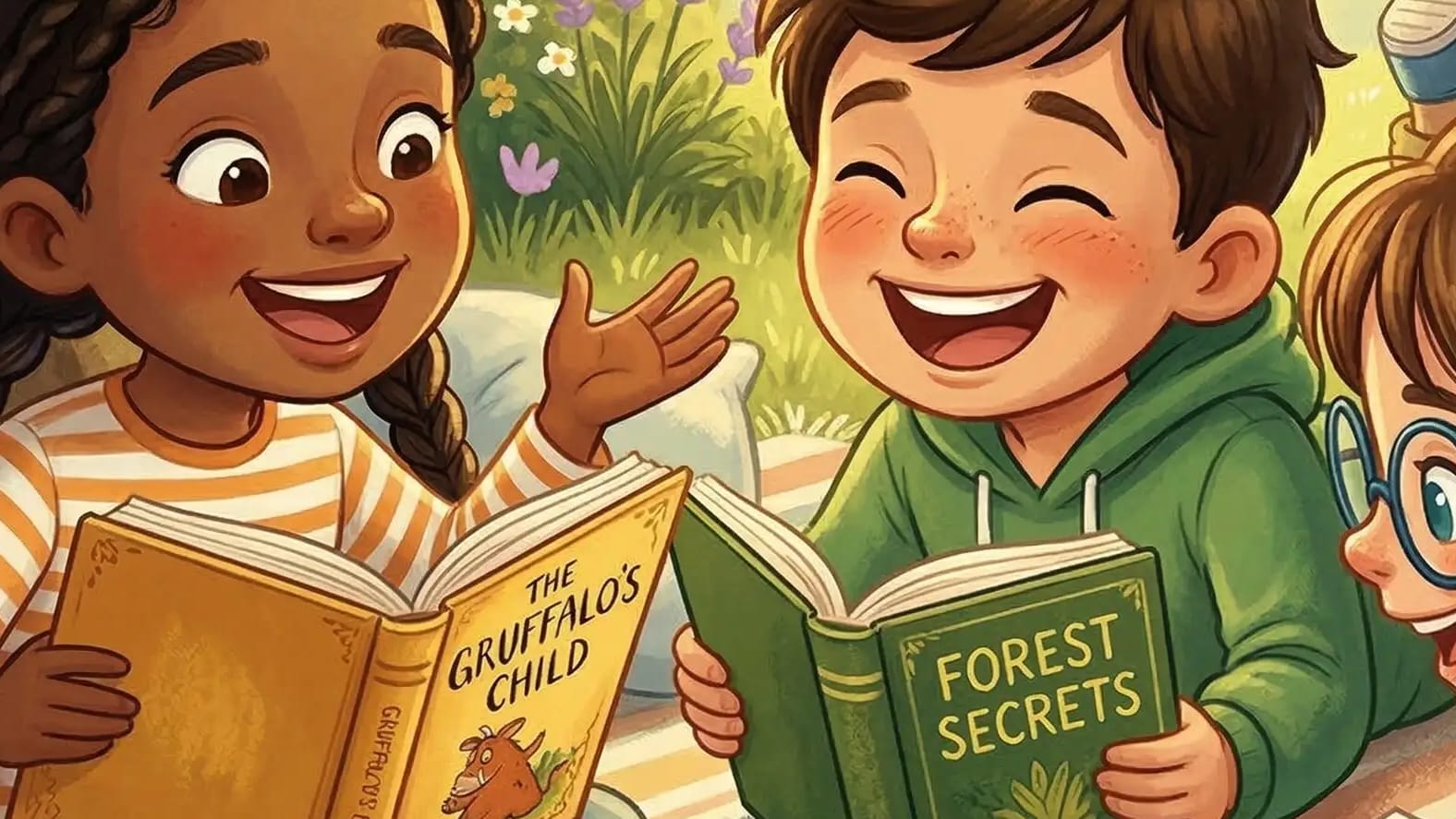
Why switching off ends in tears, a routine that makes limits hold, and what to offer in place of the screen.

15 practical ideas to make reading fun for kids, from book choice and reading games to cozy spaces and creative story conversations that boost motivation.

Why some children read every word but can't tell you what happened, and seven calm ways to build understanding at home, from picturing the story to retelling it.

Ready-to-use words for the moments your child says "I can't do it", "I'm stupid" or "I give up", what the research really says, and how to praise in a way that helps.