How to Make Reading Fun for Kids (15 Simple Ideas That Actually Work)
15 practical ideas to make reading fun for kids, from book choice and reading games to cozy spaces and creative story conversations that boost motivation.

Why Some Kids Think Reading Is Boring
Many parents say something like this:
“My child can read… but they just don’t enjoy it.”
This situation is more common than most parents realize.
Children often begin their reading journey with excitement. They enjoy bedtime stories, colorful illustrations, and playful characters. But as they grow older, reading sometimes starts to feel like a task instead of an adventure.
School assignments, comprehension exercises, and pressure to read “proper books” can slowly remove the sense of fun.
Research on interest shows that children engage more deeply with what sparks their curiosity, and that interest grows with encouragement from the people around them (Hidi & Renninger, 2006).
In other words:
Reading becomes enjoyable when it feels like an experience, not an obligation.
Fortunately, parents can easily transform reading from something children avoid into something they look forward to.
Below are practical, research-backed strategies that make reading genuinely fun for kids.
Choose one thing to try tonight
- “Books are boring”: offer two different options, such as a funny comic and a short mystery. Let your child choose.
- Happy to listen, reluctant to read: read a short part aloud and invite them to join in if they want.
- Enjoys the story, avoids the questions: share your own reaction first. Leave room for them to agree, disagree or simply listen.
If reading the words is difficult, start with our guide to supporting a struggling reader. Difficulty and lack of interest need different kinds of support.
1. Turn Reading Into a Shared Experience
One of the simplest ways to make reading enjoyable is to participate in it together.
Children naturally enjoy activities that involve connection with parents or siblings.
Instead of asking a child to read alone, try:
- taking turns reading pages
- acting out character voices
- pausing to laugh about funny moments
- predicting what will happen next
Research shows that interactive reading, where children talk about the story as you read, builds their language skills (Whitehurst & Lonigan, 1998).
When reading becomes a shared moment rather than a solitary task, children often start associating books with comfort and enjoyment.
2. Let Kids Choose Their Own Books
Many children lose interest in reading simply because the books they are given do not match their interests.
A child who loves mysteries might struggle with historical fiction. A child fascinated by fantasy might find realistic stories less exciting.
Studies show that choice significantly increases motivation to read (Guthrie & Wigfield, 2000).
Allow children to explore books that genuinely interest them.
Some examples include:
- adventure stories
- fantasy worlds
- mystery books
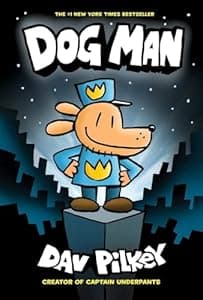
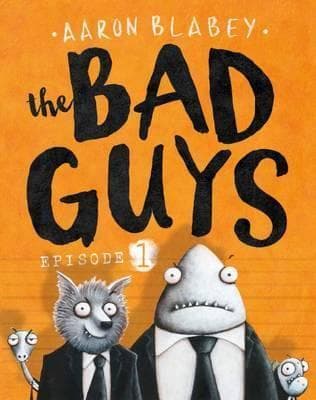
- comics and graphic novels
- humorous books
- science or space stories
Even if the book seems “too easy,” enthusiasm is far more important than difficulty at the beginning.
Let a comic start the conversation
Try this with a comic your child chooses: each pick one panel you find funny or surprising. Say what caught your eye, then ask, “Which detail did you notice?” They can point to it before explaining.
Need a starting point? Explore books for reluctant readers, or get a free book list for your child matched to their interests.
3. Create a Cozy Reading Environment
The environment where reading happens can dramatically influence how children feel about it.
Think about the difference between reading at a rigid desk versus reading in a comfortable corner.
Creating a small reading nook can make books feel inviting.
A cozy reading space might include:
- soft cushions or bean bags
- a warm reading lamp
- a small bookshelf
- blankets or floor mats
A study of 153 primary school classrooms in the UK found that light, temperature, fresh air and a sense that the space was theirs were linked to how much progress children made (Barrett et al., 2015).
When the reading space feels special, children are more likely to spend time there.
4. Use Games and Challenges
Adding a playful element can dramatically increase reading excitement.
Some fun reading challenges include:
- Treasure hunt reading: hide clues inside books
- Story prediction game: pause and guess what happens next
- Character voice challenge: read dialogue in funny voices
- Reading bingo: complete fun reading tasks
A small game turns reading into play, and for many children that is all it takes to start.
Children often enjoy reading more when it includes playfulness and creativity.
Try a one-clue mystery
Here is an invented mini-mystery: “The biscuit tin was empty. A trail of crumbs led towards the garden, where a muddy paw print marked the door.”
Ask, “What might have happened? Which clue made you think that?” Offer your own different idea, then let your child invent the next sentence. With an older reader, ask what extra clue would change their mind.
The aim is a shared idea, not a correct answer. BookTrust’s reading-together tips offer more ways to use choice, voices and predictions.
5. Ask Imaginative Questions
Instead of asking children to summarize the story, ask creative questions.
For example:
- What would you do if you were the main character?
- Which character would you like to be friends with?
- If you could change the ending, what would happen?
These questions encourage creative thinking and emotional engagement.
These conversations give children practice in critical thinking: weighing choices, imagining other outcomes and explaining what they think.
These conversations also turn reading into an activity that continues even after the book closes.
6. Explore Different Book Genres
Sometimes children think reading is boring simply because they have only experienced one type of book.
Introducing different genres can open entirely new worlds.
Popular genres for children include:
- fantasy
- mystery
- adventure
- science fiction
- humor
- biographies
Each genre stimulates imagination in different ways.
For example:
- mystery encourages problem-solving
- fantasy builds imagination
- adventure inspires curiosity
7. Allow Comic Books and Graphic Novels
Some parents worry that comics are “not real reading.”
However, research suggests that graphic novels can actually support reading motivation and comprehension, particularly for reluctant readers (Krashen, 2004).
Comics require readers to interpret both text and visual storytelling, which can strengthen narrative understanding.
More importantly, they often act as a gateway to other books.
If comics spark a child’s interest in stories, they are doing their job.
8. Connect Stories to Real Life
Stories become far more meaningful when children connect them to real-world experiences.
After reading a story, try discussing questions such as:
- Have you ever felt like the main character?
- What would you do in that situation?
- Does this remind you of something in real life?
These connections help children see that stories are not just entertainment — they are windows into human experiences.
The literacy scholar Louise Rosenblatt argued that every reading is a meeting between the reader's own life and the text (Rosenblatt, 1994). Connections like these are what make a story stick.
9. Visit Bookstores or Libraries Together
The experience of discovering books can be just as exciting as reading them.
Libraries and bookstores allow children to:
- explore different book covers
- flip through pages
- discover new genres
- follow their curiosity
Research suggests that children read more when they have more books to choose from (Krashen, 2004).
Allow children to browse freely rather than directing them immediately toward specific titles.
Try reading with a mentor who follows their interests
- Talks through a story
- Writes their own story
- Your report on WhatsApp
10. Introduce Storytelling and Creative Writing
Once children begin enjoying stories, they often want to create their own.
Encourage them to:
- invent characters
- imagine alternate endings
- write short stories
- draw story scenes
Psychologist Jerome Bruner argued that stories are one of the main ways we make sense of the world (Bruner, 1990). Making up their own gives children practice in creativity, language and shaping their ideas.
Children who create stories often develop a deeper appreciation for the stories they read.
11. Keep Reading Aloud, Even to Older Kids
Many parents stop reading aloud once their child can read alone. But children can understand stories well above the level they can read themselves, so a read-aloud lets them enjoy books they couldn't manage on their own yet.
Read a chapter at bedtime, or take turns: you read one page, they read the next.
12. Pair Audiobooks With the Printed Book
Listening while following the words takes the hard work out of decoding, so children can enjoy the story itself. It helps most with longer books, or on days when reading feels like a struggle.
13. Follow a Series
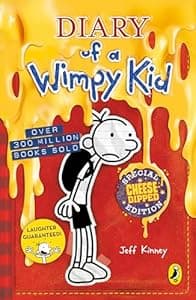
Once a child loves a character, the next book in the series is easy to start: they already know the world, the people and the jokes. Series like Diary of a Wimpy Kid, Geronimo Stilton and Magic Tree House keep many children reading for months.
14. Give Reading a Regular Spot in the Day
Reading is easier to start when it happens at the same time each day, such as after dinner or just before lights out. Keep it short and relaxed; a routine takes away the daily "do I have to?" negotiation. Our guide to building a reading habit has more on making it stick.
15. Let Them See You Read
Children copy what they see. If they see you enjoying a book, or hear you talk about one at dinner, reading looks like something people choose to do, not a chore set by adults.
Common Questions Parents Ask
What if my child still refuses to read?
Start small.
Instead of long reading sessions, try:
- reading one page together
- listening to audiobooks
- exploring illustrated books
Gradually rebuild the positive association with reading.
How much reading time is enough?
Even 15–20 minutes per day adds up. In one classic study, children who read about 20 minutes a day outside school met around 1.8 million words a year (Anderson, Wilson & Fielding, 1988).
Consistency matters more than duration.
Should reading always be educational?
Not necessarily.
Reading for pleasure is often more powerful than reading for academic improvement.
When children enjoy stories, learning naturally follows.
Why Making Reading Fun Matters
Children who enjoy reading tend to develop lifelong habits that support:
- imagination
- empathy
- curiosity
- critical thinking
- communication skills
A long-term study from the UCL Institute of Education found that children who read for pleasure made more progress in vocabulary, spelling and maths between the ages of 10 and 16 (Sullivan & Brown, 2013).
But perhaps more importantly, reading opens doors to ideas, creativity, and lifelong curiosity.
Final Thoughts
Making reading fun does not require complicated strategies.
Often, it comes down to a few simple shifts:
- turning reading into a shared experience
- allowing children to choose books
- creating playful reading environments
- asking imaginative questions
- connecting stories to real life
When reading becomes enjoyable, children naturally begin exploring books on their own.
And that is when a simple activity becomes a lifelong habit of curiosity and learning.
More guides on this topic: Reading habits and confidence
Latest Articles
Similar Articles
Want Your Child to Experience Books More Deeply?
Bookstaken pairs kids with caring mentors who turn reading into engaging conversations, inspiring them to eventually write their own stories.
Responses
No responses yet. Be the first to share your thoughts.
Love books yourself? Get paid to read with kids as a Bookbuddy
