For 8-year-olds
How to help your 8-year-old with reading
A little every day, books they choose, and one good question.
The short answer
Read a little every day, at the same time, and let them choose most of the books. Read aloud too, from a book a little above what they read alone. After each chapter, ask one question about why something happened. Over six weeks, aim for one series they love and one book you've talked through together.
For children around 8 who can read but need help to read more, or to read with more understanding.
The six weeks
Week 1
Find what they love
A series, a funny book, a topic they can't stop talking about. Let them choose.
Week 2
Read aloud a level up
A chapter a night from a book a little above what they read alone, such as Charlotte's Web or The BFG.
Week 3
One series to sink into
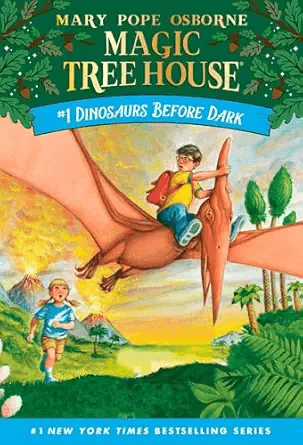
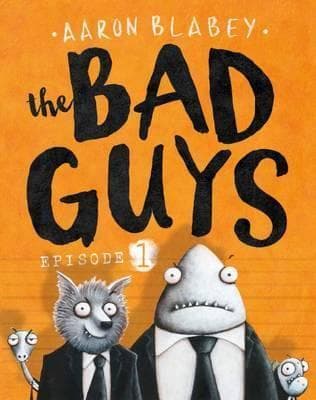
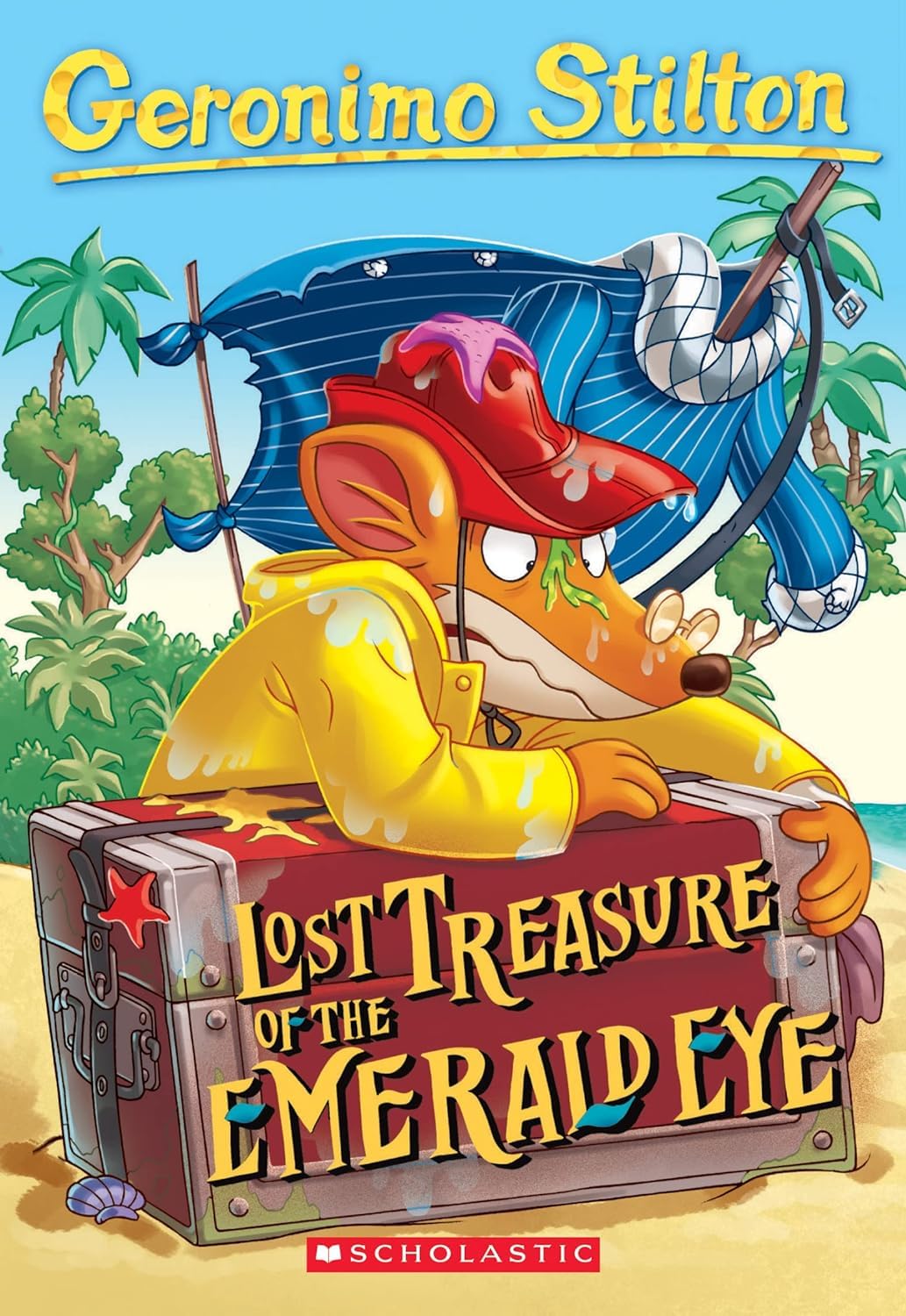
Magic Tree House, The Bad Guys or Geronimo Stilton. The same characters make every new book easier.
Week 4
One question per chapter
"Why did he do that?" works better than "What happened?". Let them disagree.
Week 5
Add a true story
A non-fiction book on something they love, such as a Magic Tree House Fact Tracker.
Week 6
Their pick
They choose the next book from a short list you've made, or from the library.
Books for each stage
A series to read alone
Ages 6–8
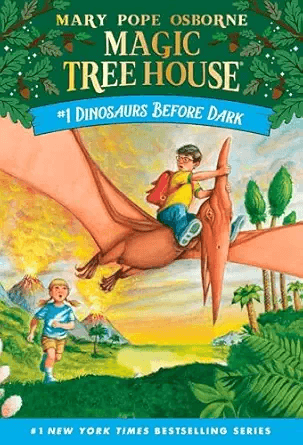
Magic Tree House
by Mary Pope Osborne
Siblings Jack and Annie discover a mysterious tree house full of books in the woods near their home. Whenever they open a book and make a wish, the magic tree house whisks them away to different times and places throughout history, from ancient lands to distant eras. Helps young readers connect with history through people and places.
Ages 6–8
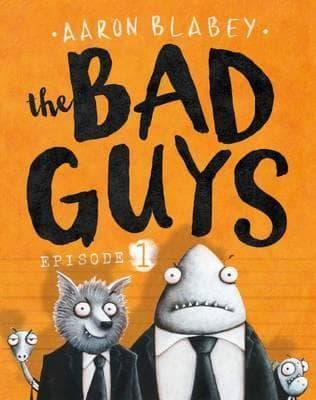
The Bad Guys
by Aaron Blabey
Mr. Wolf is tired of being seen as a scary villain, so he rounds up a crew of other misunderstood predators—including Mr. Snake, Mr. Piranha, and Mr. Shark—to do good deeds. A lighthearted choice for sparking laughter and lively conversation.
Ages 6–11
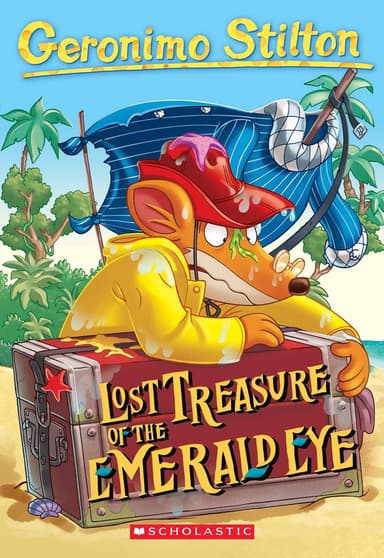
Geronimo Stilton (series)
by Geronimo Stilton (created by Elisabetta Dami)
Geronimo Stilton is a quiet, nervous mouse who runs a newspaper on New Mouse City, but his eccentric family members constantly drag him into wild adventures across the globe. From solving curious mysteries to surviving treacherous journeys, Geronimo bumbles through danger with plenty of comic mishaps. Brings a little silliness to reading time and invites shared smiles.
Ages 6–11
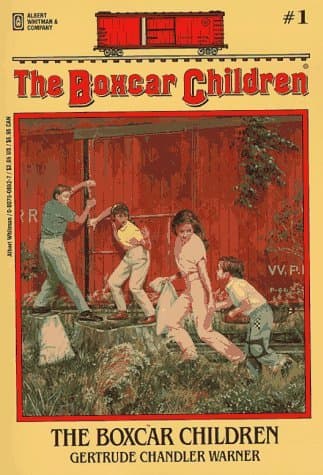
The Boxcar Children
by Gertrude Chandler Warner
Four orphaned siblings—Henry, Jessie, Violet, and Benny—run away to stay together and make a cozy home inside an abandoned train car in the woods. Using their wits and teamwork, they find creative ways to gather food, build dishes, and take care of each other. Invites heartwarming conversations about family, care, and understanding.
Read aloud together
Ages 6–11
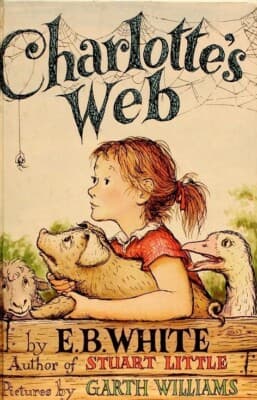
Charlotte's Web
by E.B. White
On a peaceful farm, a runt piglet named Wilbur is spared from slaughter and finds an extraordinary friend in Charlotte, a wise and caring barn spider. When Wilbur's life is threatened again, Charlotte uses her clever web-spinning to convince the farmers he is too special to lose. Invites older readers to reflect on compassion, courage, and resilience.
Ages 6–11
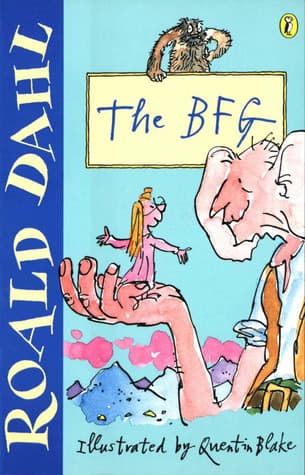
The BFG
by Roald Dahl
When young Sophie is snatched from her orphanage bed by a twenty-four-foot giant, she expects to be eaten. Instead, she discovers he is the Big Friendly Giant, a gentle soul who collects sweet dreams and blows them into children's bedrooms. A lovely invitation to stretch the imagination and dream up new worlds.
Ages 6–11
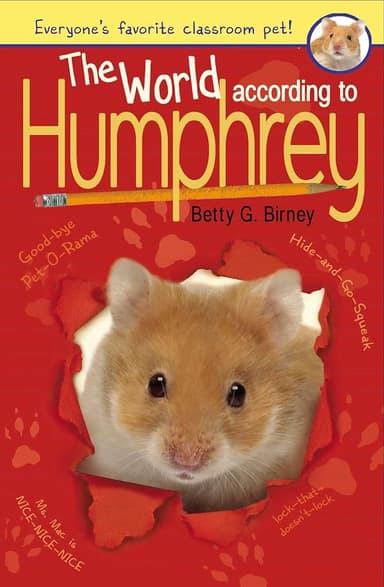
The World According to Humphrey
by Betty G. Birney
Humphrey is the classroom hamster in Room 26, where he secretly watches the children and teachers navigate daily challenges. When he spends weekends at different students' homes, he finds clever ways to help them solve their problems, from shy classmates to tricky family routines.
Ages 6–8
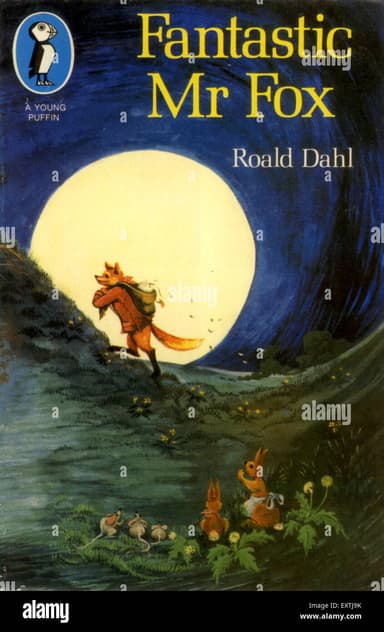
Fantastic Mr. Fox
by Roald Dahl
Mr Fox is clever, daring, and always one step ahead of the three meanest farmers around: Boggis, Bunce, and Bean. When they join forces and bring heavy machinery to dig him out of his home, Mr Fox must come up with a brilliant plan to save his family and the other woodland animals. Brings a little silliness to reading time and invites shared smiles.
Next, at about 9
Ages 9–11
Diary of a Wimpy Kid
by Jeff Kinney
Greg Heffley is starting middle school, where undersized weaklings like him share the hallways with kids who are taller, meaner, and already shaving. To survive, he records his daily misadventures, family annoyances, and flawed plans for popularity in an illustrated journal. Offers space for thoughtful conversations about empathy and difficult choices.
Ages 9–11
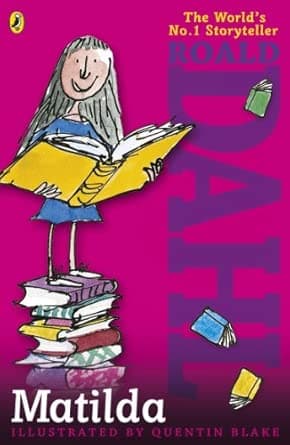
Matilda
by Roald Dahl
Matilda Wormwood is an extraordinarily bright little girl, but her selfish parents treat her like a nuisance. When she starts school, she finds a warm friend in her teacher, Miss Honey, but faces a terrifying headmistress, Miss Trunchbull, who despises children. Encourages gentle, guided conversations about challenging feelings and experiences.
Ages 9–11
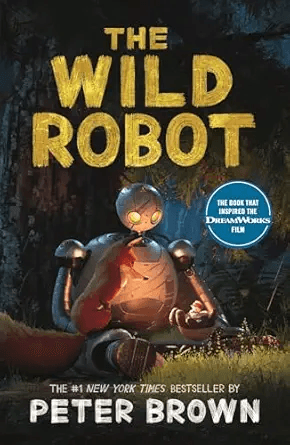
The Wild Robot
by Peter Brown
When Roz the robot opens her eyes for the first time, she finds herself alone on a remote, rugged island. To survive harsh weather and suspicious wildlife, she must observe her surroundings and learn to communicate with the local animals. Her life changes completely when she unexpectedly becomes the adoptive mother to an orphaned gosling. This gentle, engaging survival story explores family, kindness, and community through short, illustrated chapters that keep young readers hooked.
Ages 9–11
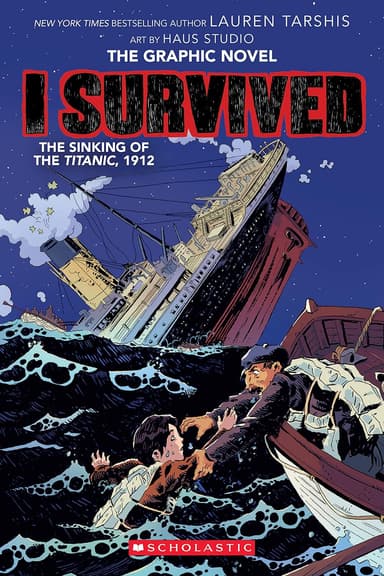
I Survived (series)
by Lauren Tarshis
This popular series follows fictional young characters as they live through some of the most terrifying events in world history, from natural disasters like volcanic eruptions and earthquakes to historical battles and shipwrecks. Encourages gentle, guided conversations about challenging feelings and experiences.
How to talk about it
- “Why do you think he did that?”
- “What do you think happens next? What makes you think so?”
- “Which character would you want as a friend?”
When to ask for help
If your child guesses at words, skips them, or gets upset when asked to read, talk to their teacher. A plan like this works best for a child who can read but isn't reading much yet.
How to support struggling readers without pressureA free 1:1 reading session for your child
- Talks through a story
- Writes their own story
- Your report on WhatsApp