For 11-year-olds
How to help your 11-year-old with reading
Stretch the reading, check the content, and keep talking.
The short answer
Keep reading in their day, and let them choose most of the books. Offer books that stretch them, and check the content of any book written for teenagers before you hand it over. Read some of the same books and talk about them as equals. Over six weeks, aim for one book that stretched them and one you've talked through together.
For children around 11 who read well but are reading less, or are reaching for older books.
The six weeks
Week 1
Find what they love
A genre, a hobby, a question about the world. Ask what their friends are reading.
Week 2
A book that stretches them
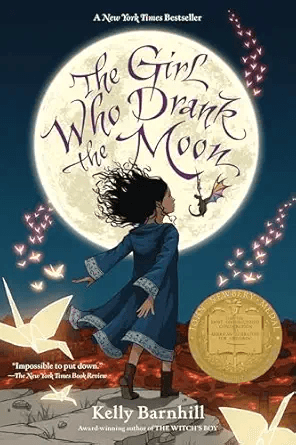
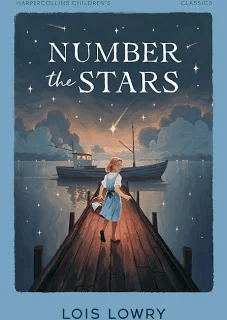
Longer and richer, but written for their age, such as The Girl Who Drank the Moon or Number the Stars.
Week 3
Check the content
For books written for teenagers, read the age and content notes first. Each of our book guides has them.
Week 4
Read the same book
You both read it, and talk about it over dinner or on the way to school.
Week 5
Ask the big question
"Was that fair?" "What would you have done?" Let them argue their side.
Week 6
Their pick
They choose the next book from a short list you've made, or from the library.
Books for each stage
Books that stretch them
Ages 9–14
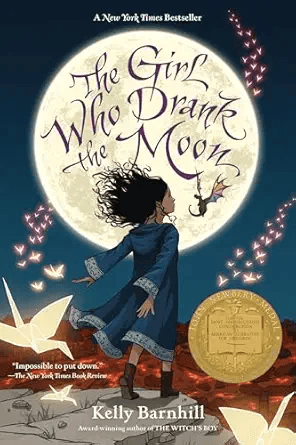
The Girl Who Drank the Moon
by Kelly Barnhill
Every year, the people of the Protectorate leave a baby in the forest as an offering to a witch they fear. But Xan is kind, rescuing the infants and finding them loving homes. Offers space for thoughtful conversations about empathy and difficult choices.
Ages 9–14
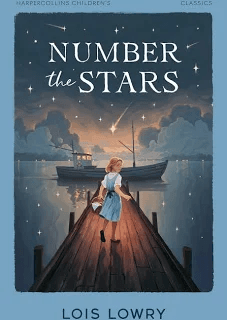
Number the Stars
by Lois Lowry
In Copenhagen during World War II, ten-year-old Annemarie Johansen watches as Nazi forces begin to target the city's Jewish population. When the danger reaches her best friend, Ellen Rosen, Annemarie's family steps in to hide Ellen as their own daughter. Soon, the Johansens must take brave risks to help Ellen and other families escape across the sea to Sweden. It is a tense yet gentle historical story that introduces younger readers to the courage of ordinary people resisting injustice.
Ages 9–14
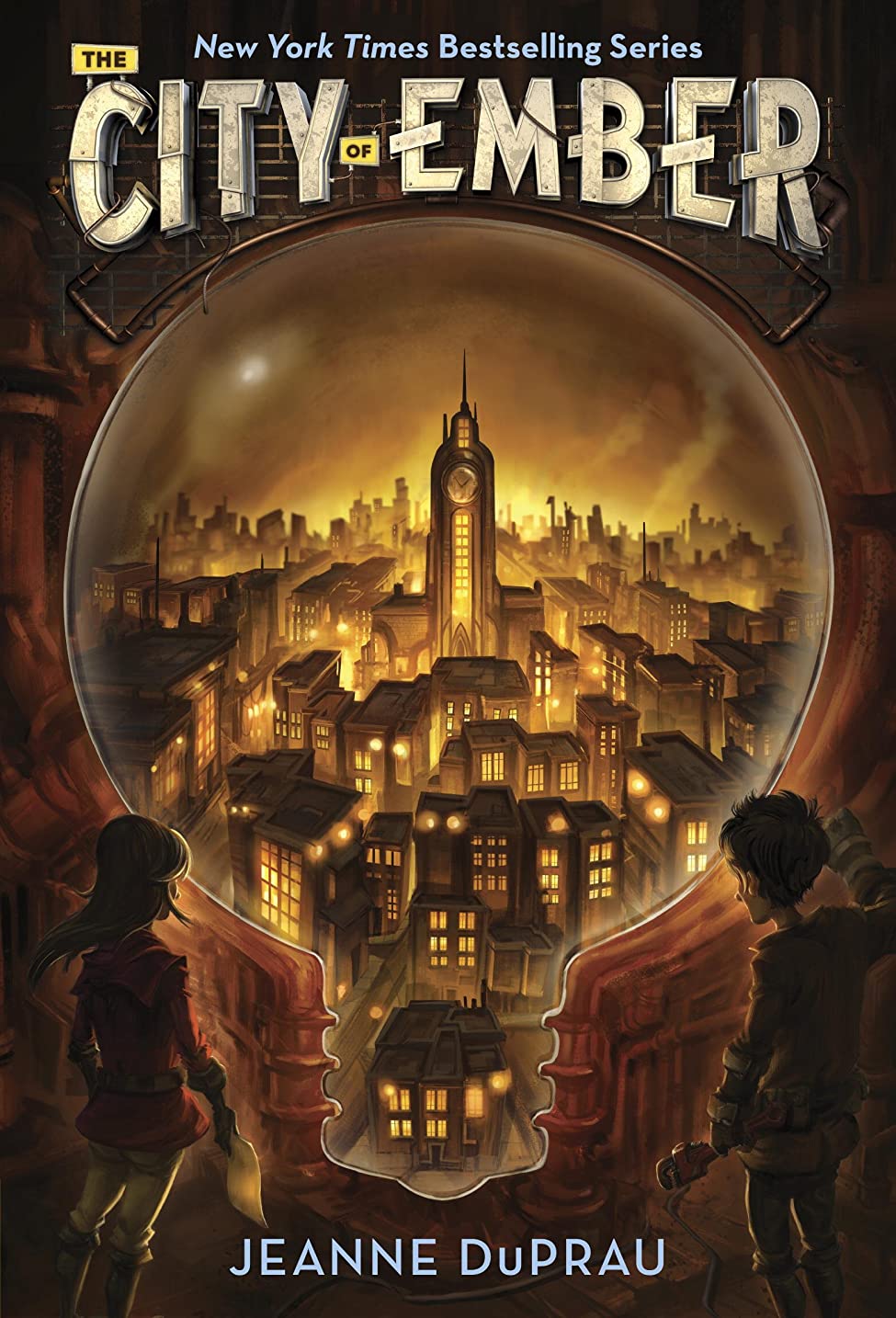
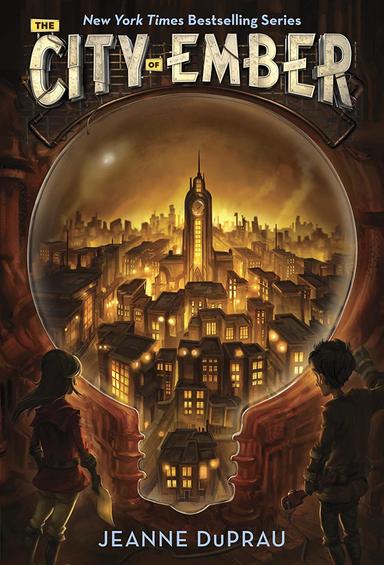
The City of Ember
by Jeanne DuPrau
For generations, the underground city of Ember has been kept running by a giant generator, but now the food supplies are dwindling and the lights are flickering out. Twelve-year-olds Lina and Doon uncover pieces of an ancient message left by the original Builders that might hold the key to their survival. Invites thoughtful questions about the past and the world today.

Ages 10–14
Kensuke's Kingdom
by Michael Morpurgo
Michael is sailing round the world with his parents when he is swept overboard with his dog. He wakes on an island where someone is already living: Kensuke, an old Japanese man who wants him gone. Invites children to talk about trust, nature and what war leaves behind.
Stories from India

Ages 10–14
Swami and Friends
by R.K. Narayan
Ten-year-old Swaminathan navigates school, friendship, and childhood mischief in the charming fictional South Indian town of Malgudi during the British colonial era. Swami would rather play cricket, wander the streets, and dream up schemes with his lively group of classmates than sit in a classroom doing homework. A welcoming introduction to traditions, culture, and shared stories.

Ages 10–14
The Puffin Feluda Omnibus
by Satyajit Ray
Feluda is Calcutta's sharpest private detective, and his young cousin Topshe tells the stories. Together with the writer Jatayu they solve thefts and murders from Darjeeling to Rajasthan. Invites children to spot the clues and solve the case before Feluda does.

Ages 9–14
Aru Shah and the End of Time
by Roshani Chokshi
Twelve-year-old Aru Shah tends to stretch the truth to fit in at school. While spending her autumn break in the Museum of Ancient Indian Arts and Culture, she lights a cursed lamp to impress her classmates, accidentally freeing an ancient demon who freezes time and traps her mother. Invites readers to discover and appreciate rich storytelling traditions.

Ages 10–14
Adventures of Rusty
by Ruskin Bond
Rusty is a quiet, imaginative boy growing up in the foothills of the Himalayas. From running away from boarding school and rescuing eccentric pets to making friends in nearby towns, his escapades are full of warmth and curious encounters. A welcoming introduction to traditions, culture, and shared stories.
Next, at about 12
Ages 12–14
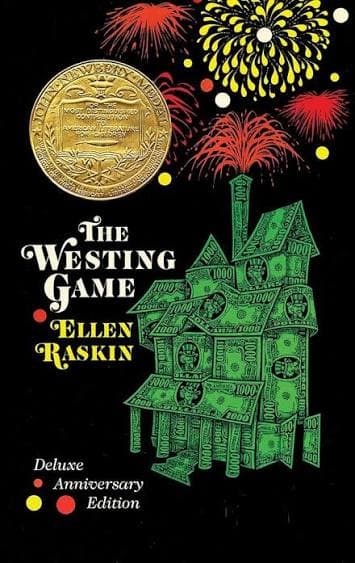
The Westing Game
by Ellen Raskin
When eccentric millionaire Samuel W. Westing dies, sixteen very different people are invited to the reading of his will. Keeps curiosity growing as readers piece together the clues.
Ages 12–14
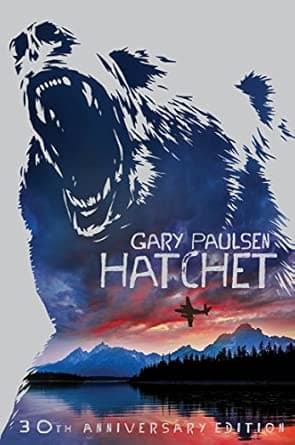
Hatchet
by Gary Paulsen
After surviving a fatal plane crash, thirteen-year-old Brian finds himself stranded alone in the remote Canadian wilderness. With only the clothes on his back and a hatchet gifted by his mother, he must figure out how to find food, build shelter, and protect himself from wild animals and harsh weather. Encourages gentle, guided conversations about challenging feelings and experiences.
Ages 10–14
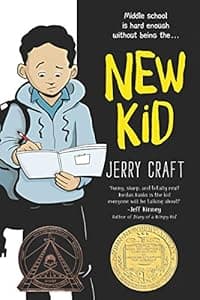
New Kid
by Jerry Craft
Seventh-grader Jordan Banks loves drawing cartoons and dreams of art school, but his parents enroll him in an elite, academically rigorous private academy where he is one of the few kids of colour. Offers space for thoughtful conversations about empathy and difficult choices.

Ages 12–14
Stormbreaker
by Anthony Horowitz
Fourteen-year-old Alex Rider thinks his uncle died in a car accident, but he soon discovers his guardian was actually an undercover British spy murdered on a mission. Recruited against his will by MI6, Alex undergoes brutal training and receives high-tech gadgets disguised as everyday items. Sent undercover to Cornwall to investigate an eccentric billionaire's suspicious computer donation to schools, Alex finds himself in constant peril. Packed with cinematic action and narrow escapes, it reads like James Bond for teenagers.
How to talk about it
- “Was that the right choice? What would you have done?”
- “Whose side of the story are we not hearing?”
- “Would you give this book to a friend? Who, and why?”
When to ask for help
If your child has stopped reading for a long time, or reading seems hard rather than unwanted, talk to their teacher. If a book upsets them, stop and talk it through; it can wait a year. For a child who reads well beyond their age, see our plan for advanced readers.
Books for advanced readersA free 1:1 reading session for your child
- Talks through a story
- Writes their own story
- Your report on WhatsApp