For 13-year-olds
How to help your 13-year-old with reading
Gripping books, their own choices, and checking the content together.
The short answer
Keep a little reading time each day, and let them choose, including graphic novels, true stories and books their friends are reading. Offer fast, gripping books alongside ones with big themes, and look at the content notes for anything written for older teenagers. Talk about books as equals, not as a test. Over six weeks, aim for one book they chose and finished, and one you've both read.
For children around 13 who can read well but are reading less, as homework, friends and phones take more of their time.
The six weeks
Week 1
Ask, don’t assign
What do their friends read? What shows and games do they like? Start there.
Week 2
A gripping start
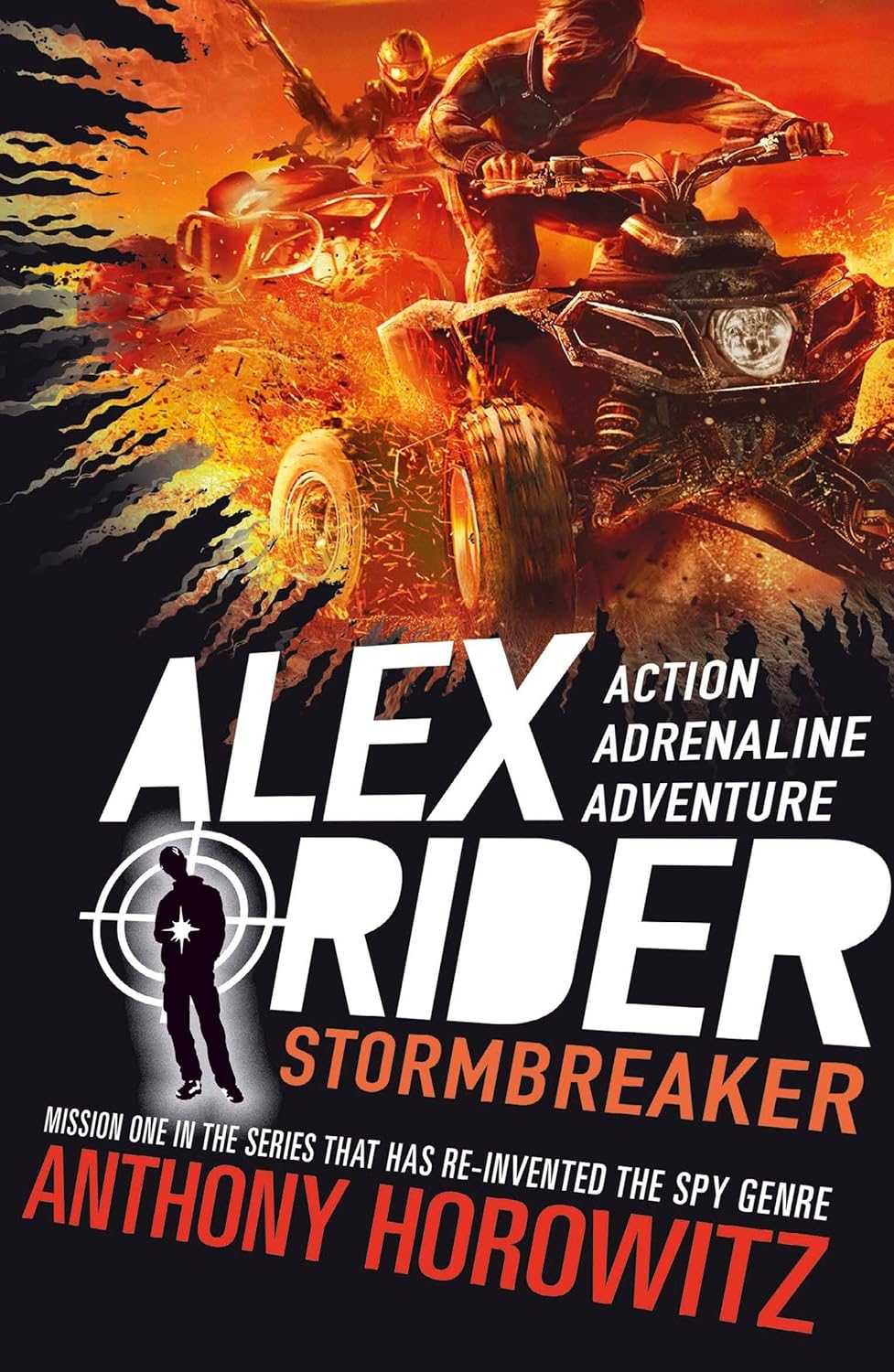
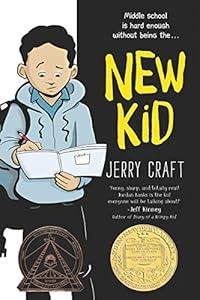
Stormbreaker, Artemis Fowl or New Kid: books that are hard to put down.
Week 3
Protect reading time
Fifteen minutes a day, at the same time, with phones in another room.
Week 4
A bigger book, checked first
The Hunger Games or The Book Thief. Read the content notes together first.
Week 5
Read the same book
Read it too, and talk about it as you would with a friend.
Week 6
Their pick
They choose the next book, and recommend one to you.
Books for each stage
Hard to put down
Ages 12–14
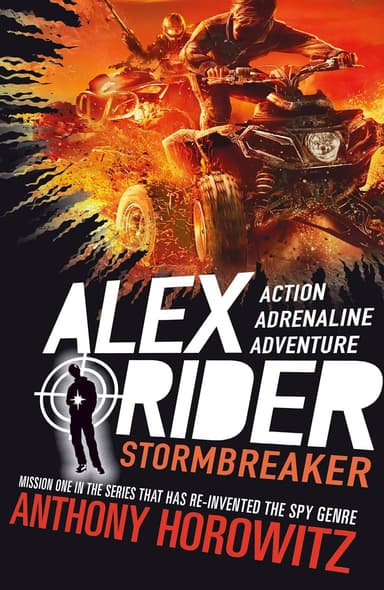
Stormbreaker
by Anthony Horowitz
Fourteen-year-old Alex Rider thinks his uncle died in a car accident, but he soon discovers his guardian was actually an undercover British spy murdered on a mission. Recruited against his will by MI6, Alex undergoes brutal training and receives high-tech gadgets disguised as everyday items. Sent undercover to Cornwall to investigate an eccentric billionaire's suspicious computer donation to schools, Alex finds himself in constant peril. Packed with cinematic action and narrow escapes, it reads like James Bond for teenagers.

Ages 10–14
Artemis Fowl
by Eoin Colfer
Twelve-year-old Artemis Fowl is a genius and a criminal, and he has found a way to steal fairy gold. He kidnaps Captain Holly Short of the fairy police, and the fairies strike back. Invites children to talk about cleverness, right and wrong, and whether a villain can change.
Ages 10–14
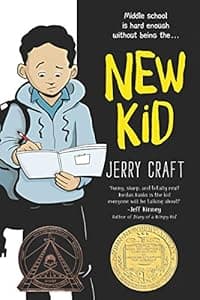
New Kid
by Jerry Craft
Seventh-grader Jordan Banks loves drawing cartoons and dreams of art school, but his parents enroll him in an elite, academically rigorous private academy where he is one of the few kids of colour. Offers space for thoughtful conversations about empathy and difficult choices.
Ages 10–14
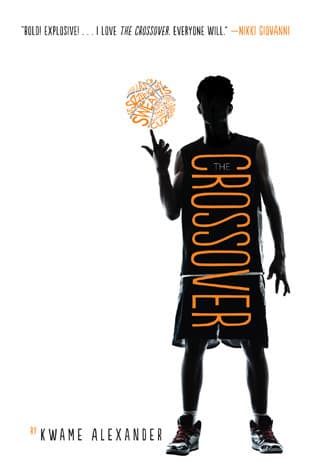
The Crossover
by Kwame Alexander
Twin brothers Josh and Jordan are stars on the basketball court, pushed and coached by their father, a former professional player. But as junior high progresses, their unbreakable bond starts to fray when Jordan gets a girlfriend and their father's health begins to decline. Encourages gentle, guided conversations about challenging feelings and experiences.
Big stories (check the content first)
Ages 12–14
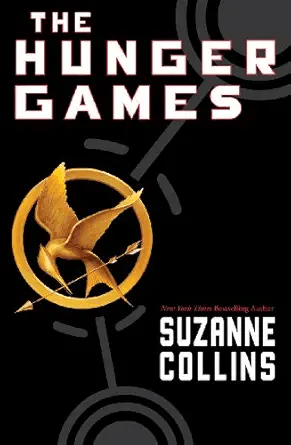
The Hunger Games
by Suzanne Collins
In a harsh future North America, sixteen-year-old Katniss Everdeen volunteers to take her younger sister's place in the annual Hunger Games. Forced into a televised arena where twenty-four teenagers must fight until only one survives, Katniss must rely on her hunting skills and sharp instincts to stay alive. The story is tense, fast-paced, and thought-provoking, drawing older readers in through its fierce protagonist, high-stakes action, and gripping exploration of survival and loyalty.
Ages 12–14
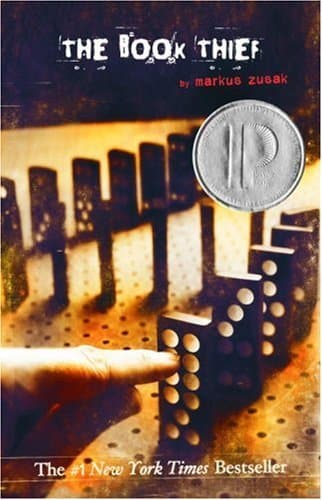
The Book Thief
by Markus Zusak
Set in Germany during the Second World War, this moving story follows young foster girl Liesel Meminger. As her foster father teaches her to read, she discovers a deep passion for books, sharing stolen stories with her neighbors during air raids and with the Jewish man hiding in her basement. Uniquely narrated by Death, the novel offers a powerful, lyrical perspective on the horrors of war, the cruelty of prejudice, and the extraordinary power of words and human kindness to offer hope in dark times.
Ages 12–14
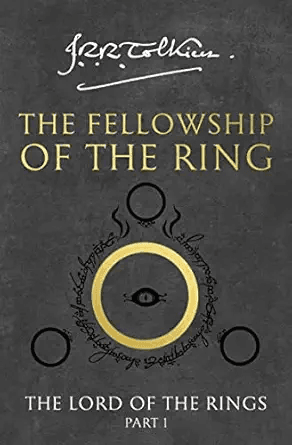
The Fellowship of the Ring
by J.R.R. Tolkien
Frodo Baggins inherits a mysterious golden ring from his uncle Bilbo, only to discover it holds terrifying power and belongs to the Dark Lord Sauron. A warm way to explore friendship, kindness, and seeing other perspectives.
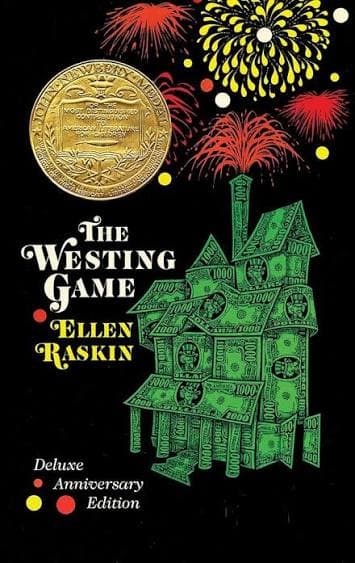
Ages 12–14
The Westing Game
by Ellen Raskin
When eccentric millionaire Samuel W. Westing dies, sixteen very different people are invited to the reading of his will. Keeps curiosity growing as readers piece together the clues.
Real lives
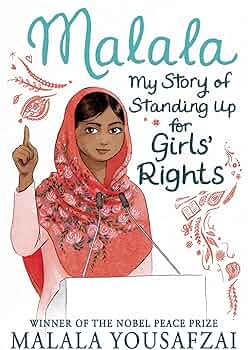
Ages 10–14
I Am Malala (Young Readers Edition)
by Malala Yousafzai with Patricia McCormick
Growing up in Pakistan's Swat Valley, Malala Yousafzai loved school and learning. When the Taliban took control of her region and banned girls from attending classes, she spoke out publicly for her right to an education, making her a target for violence. Adapted for younger readers, this memoir offers an intimate, inspiring look at a girl's ordinary life turned extraordinary. Readers are drawn to Malala's courage, warmth, and determination to stand up against injustice.
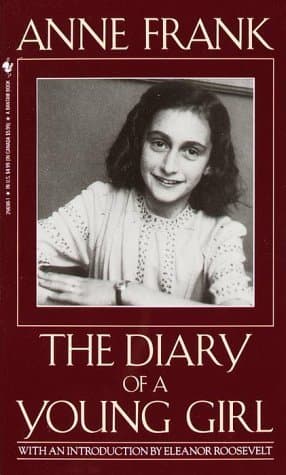
Ages 12–14
The Diary of a Young Girl
by Anne Frank
This real diary records thirteen-year-old Anne Frank's life as her Jewish family hides in a secret annex in Amsterdam to escape Nazi persecution. Through her candid and heartfelt entries, Anne reflects on teenage growing pains, hopes, family arguments, and the daily fear of discovery. Young readers connect deeply with Anne's warm, relatable voice and her remarkable resilience, making history feel personal and immediate.
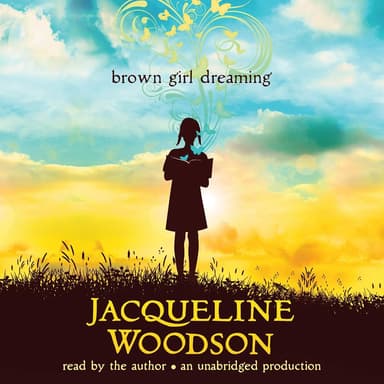
Ages 10–14
Brown Girl Dreaming
by Jacqueline Woodson
Written in vivid, accessible free verse, this memoir follows Jacqueline Woodson as she grows up in South Carolina and New York during the 1960s and 1970s. She navigates the lingering shadow of Jim Crow laws, deep family bonds, and the challenge of learning to read when words do not come easily. Encourages gentle, guided conversations about challenging feelings and experiences.
Ages 9–14
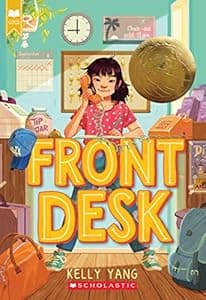
Front Desk
by Kelly Yang
Ten-year-old Mia Tang lives in a motel where her immigrant parents work, managing the front desk while hiding secrets, including undocumented guests. Mia dreams of being a writer despite her mother's doubts and the daily racism and poverty her family faces. Encourages gentle, guided conversations about challenging feelings and experiences.
How to talk about it
- “Which character would you trust, and why?”
- “Did the ending feel fair?”
- “Would this make a good film? Who would you cast?”
When to ask for help
If your child has stopped reading for a long time, or reading seems hard rather than unwanted, talk to their teacher. If a book upsets them, stop and talk it through; it can wait a year. For a strong reader running out of books, see our plan for advanced readers.
Books for advanced readersA free 1:1 reading session for your child
- Talks through a story
- Writes their own story
- Your report on WhatsApp