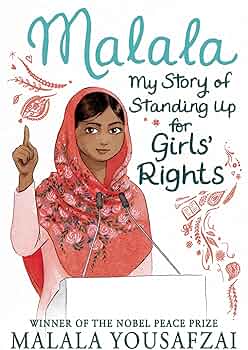
Age rating and parents' guide:I Am Malala (Young Readers Edition)
by Malala Yousafzai with Patricia McCormick
Ages 10–14
I Am Malala (Young Readers Edition) by Malala Yousafzai with Patricia McCormick is best for children aged 10–14. It has moderate violence, some scary moments, no romance and no bad language. Worth knowing: Attack on Malala described.
Growing up in Pakistan's Swat Valley, Malala Yousafzai loved school and learning. When the Taliban took control of her region and banned girls from attending classes, she spoke out publicly for her right to an education, making her a target for violence. Adapted for younger readers, this memoir offers an intimate, inspiring look at a girl's ordinary life turned extraordinary. Readers are drawn to Malala's courage, warmth, and determination to stand up against injustice.
Content ratings
How much of each a parent can expect, from none to strong.
- Violence
- Moderate
- Scary moments
- Moderate
- Romance
- None
- Bad language
- None
Worth knowing: Attack on Malala described
Content ratings checked by the Bookstaken team, on .
At a glance
- Non-fiction
- A steady start that picks up quickly
- Some illustrations
- Some emotionally heavy moments
- Indian author, setting or story
Great for kids who like
- Action & Adventure
- Realistic Fiction (School & Friendships)
- Non-Fiction
Reading mood
- Adventurous
- Informative
- Suspenseful
Good to talk about
- Action & Adventure
- Realistic Fiction (School & Friendships)
Before you choose
A closer look for your reader
Age is a starting point. Reading confidence, interests and comfort with the story matter too.
Reading fit
A memoir for young readers, told by Malala in plain, direct language. It explains the history it needs as it goes. Read the first chapters together to see whether the true story holds your child.
Worth a conversation
Little, Brown publishes this edition for ages 10 and up. The catalogue suggests 10–14 and flags moderate violence and fear. Malala describes life under the Taliban and being shot on her school bus at 15. It isn’t graphic, but it is upsetting.
Where to start
Choose the Young Readers Edition, written with Patricia McCormick. The original I Am Malala, written with Christina Lamb, is longer and written for adults.
Try a little book chat
After reading a little together, ask: “Malala spoke up when it was dangerous. What would you speak up for?”
Let your child explain their idea. You can share a different view without turning it into a test.
What would you speak up for? See how a Bookbuddy turns a question like this into a 1:1 reading session.
See what happens in a free session →Not quite your child’s kind of book?
Get seven picks based on their age, interests and reading preferences. Your printable list arrives on WhatsApp.
These notes cover the Young Readers Edition. The adult edition and the documentary are separate.
Book and story source: Hachette: I Am Malala (Young Readers Edition), Little, Brown, ISBN 9780316327916. Age ranges and content ratings are Bookstaken’s catalogue guidance.
Books like I Am Malala (Young Readers Edition)
Similar stories for the same ages, none more intense than this one should be for its youngest readers.
Ages 9–14
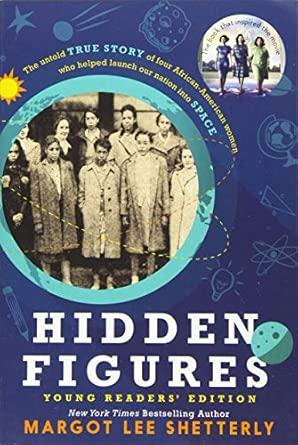
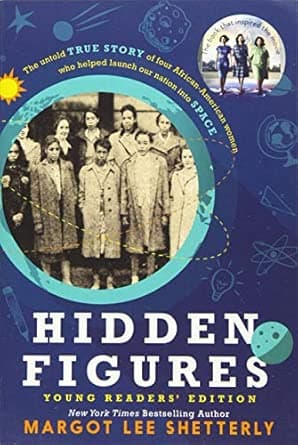
Hidden Figures (Young Readers' Edition)
by Margot Lee Shetterly
This inspiring non-fiction book shares the true story of four brilliant African American female mathematicians—Dorothy Vaughan, Mary Jackson, Katherine Johnson, and Christine Darden—who played vital roles in NASA's early space missions. Offers space for thoughtful conversations about empathy and difficult choices.
Ages 9–14
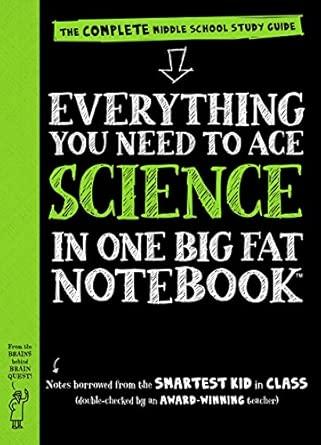
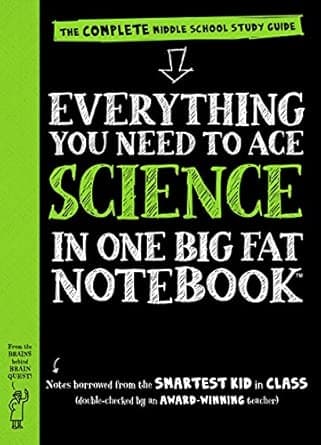
Everything You Need to Ace Science
by Workman Publishing
Presented as the notebook of the smartest kid in class, this comprehensive guide covers middle school science from earth science and biology to physics and chemistry. Full of doodles, highlighter-style callouts, diagrams, and quick quizzes, it breaks complex scientific ideas into bite-sized, easy-to-digest summaries. Makes room for curious questions and discovering how things work.
Ages 6–11
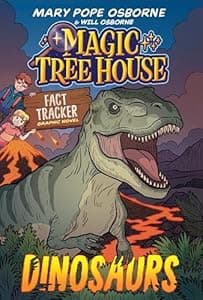
Magic Tree House Fact Trackers
by Mary Pope Osborne & Natalie Pope Boyce
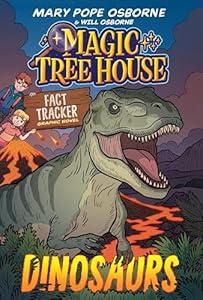
These companion guides to the Magic Tree House fiction series let young readers dig deeper into the real-world science, history, and animals behind Jack and Annie's adventures. Filled with simple facts, engaging illustrations, photos, and easy-to-digest chapters, each guide explores topics ranging from ancient civilizations and dinosaurs to extreme weather and space. A friendly starting point for exploring science through everyday questions.
Ages 9–14
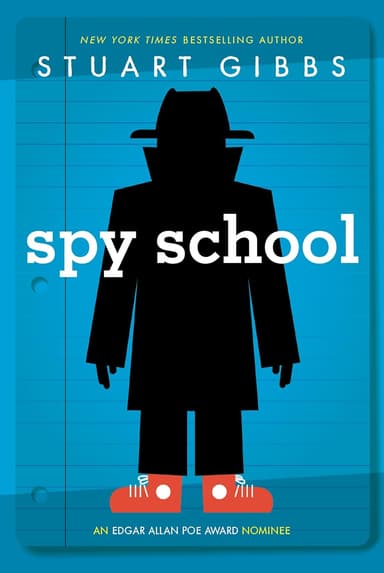
Spy School
by Stuart Gibbs
Twelve-year-old math whiz Ben Ripley dreams of becoming a top CIA agent, but he never expects to be recruited into a top-secret academy for middle-school spies. Once there, he quickly realizes he is completely out of his depth—and that he may have been brought in as bait to catch a dangerous mole. A lighthearted choice for sparking laughter and lively conversation.

Ages 10–14
Adventures of Rusty
by Ruskin Bond
Rusty is a quiet, imaginative boy growing up in the foothills of the Himalayas. From running away from boarding school and rescuing eccentric pets to making friends in nearby towns, his escapades are full of warmth and curious encounters. A welcoming introduction to traditions, culture, and shared stories.
Ages 10–14
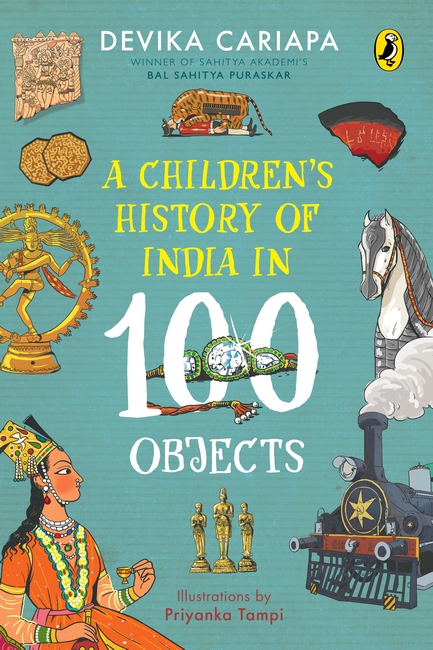
A Children's History of India in 100 Objects
by Devika Cariapa
This engaging guide takes readers on a chronological journey through India's past by examining one hundred fascinating artifacts, from prehistoric tools and Indus Valley seals to modern currency and cinema posters. Invites thoughtful questions about the past and the world today.
A free 1:1 reading session for your child
- Talks through a story
- Writes their own story
- Your report on WhatsApp
A good book is the start. A mentor makes it stick.
In a free 1:1 session, a trained Bookstaken mentor reads with your child, asks what they think and helps the reading habit last.
- No payment details needed
- Pause anytime
- Switch mentors free
Questions parents ask
Q: What age is I Am Malala (Young Readers Edition) for?
Q: Is I Am Malala (Young Readers Edition) appropriate for a 10 year old?
Q: What should my child read after I Am Malala (Young Readers Edition)?
Q: What age is I Am Malala (Young Readers Edition) for?
Q: What is the difference between the two editions of I Am Malala?
Love books yourself? Get paid to read with kids as a Bookbuddy