Why Children Who Read More Often Become Better Writers
Reading improves writing by building vocabulary, sentence structure, story sense, and creativity. Learn how books quietly teach kids to write better.

The Hidden Connection Between Reading and Writing
Many parents want their children to become better writers.
They encourage writing practice, grammar exercises, and school assignments. These all help, but research suggests that reading is one of the best ways to improve writing (Graham et al., 2018).
Children who read frequently develop stronger writing abilities because they absorb language patterns, storytelling structures, and vocabulary naturally.
Reading acts as a kind of informal apprenticeship for writing.
Just as musicians improve by listening to music, young writers improve by reading stories.
Studies have found that children who read more tend to have bigger vocabularies and stronger spelling and reading skills (Mol & Bus, 2011), all of which feed into writing.
In simple terms, reading teaches children how stories and language work.
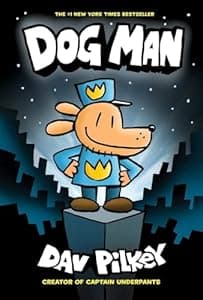
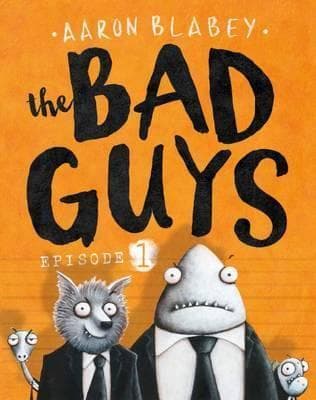
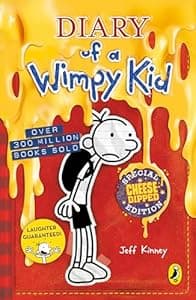
How Reading Teaches Children the Structure of Stories
Stories follow patterns that readers gradually learn through exposure.
Most narratives include elements such as:
- characters
- goals
- conflicts
- challenges
- resolutions
Children who read many stories begin to recognize these structures intuitively.
Children who hear and read many stories build a sense of how stories are put together, which researchers call narrative competence: the ability to shape ideas into meaningful stories.
When children later begin writing their own stories, they already understand how narratives unfold.
They know that characters face problems, make decisions, and eventually resolve conflicts.
Reading therefore acts as a blueprint for storytelling.
Reading Expands Vocabulary
Vocabulary is one of the most important tools for writing.
The more words children know, the more precisely they can express their ideas.
Research shows that children acquire a large portion of their vocabulary through reading rather than direct instruction (Cunningham & Stanovich, 1998).
Books expose readers to words and expressions that rarely appear in everyday conversation.
For example, stories may include descriptive language such as:
- mysterious shadows
- sparkling rivers
- whispering winds
- towering mountains
These phrases enrich children’s mental vocabulary.
When children write, they naturally draw upon the language patterns they have encountered in books.
Reading Improves Sentence Structure
Another important writing skill is sentence construction.
Children who read frequently observe how authors organize sentences to convey meaning and rhythm.
Through reading, children encounter a variety of sentence styles, including:
- descriptive sentences
- dialogue
- action sequences
- reflective thoughts
Seeing many kinds of sentences gives children a feel for how sentences are built, long before they learn the grammar terms.
Without consciously studying grammar rules, children begin to internalize how sentences flow.
This natural learning process often leads to more sophisticated writing.
Reading Stimulates Imagination
Imagination plays a central role in writing.
Writers must invent characters, settings, and events.
Reading helps nurture imagination by exposing children to diverse story worlds.
Through books, children encounter:
- magical kingdoms
- daring adventures
- mysterious puzzles
- emotional journeys
These experiences expand the range of ideas children can explore when writing.
Psychologists describe fiction as a kind of mental simulation: readers imagine scenes, people and possibilities as they go (Mar & Oatley, 2008).
When children write stories, they often draw inspiration from the imaginative worlds they have encountered in books.
Reading Teaches Dialogue and Character Development
Stories often include conversations between characters.
Through dialogue, authors reveal personality, emotions, and relationships.
Children who read regularly observe how dialogue works in storytelling.
They learn how characters speak differently depending on their personalities and situations.
For example:
- a brave hero might speak confidently
- a nervous character may hesitate
- a villain might sound mysterious or cunning
Understanding these patterns helps children create more realistic and engaging characters in their own writing.
Want a mentor to help with this?
- Talks through a story
- Writes their own story
- Your report on WhatsApp
Reading Encourages Curiosity and Ideas
Writing requires ideas.
Children who read widely encounter a variety of themes, questions, and situations.
Stories may explore topics such as:
- friendship
- courage
- fairness
- adventure
- discovery
These themes inspire children to reflect on their own experiences and imagine new possibilities.
Curiosity also helps learning stick: people remember more of what they are curious about (Gruber, Gelman & Ranganath, 2014), so ideas met in books are more likely to resurface when children write.
Reading therefore fuels the imagination that writing depends on.
The Role of Reading in Creative Expression
When children write stories, they are expressing their thoughts and emotions.
Reading helps them understand how authors communicate feelings and experiences.
For example, children learn how stories convey:
- suspense
- humor
- sadness
- excitement
By observing how authors create emotional impact, children learn to experiment with their own storytelling techniques.
Over time, reading helps young writers develop their unique voices.
Encouraging Children to Write After Reading
Parents and educators can strengthen the connection between reading and writing by encouraging creative activities.
For example:
- asking children to write alternate endings
- inviting them to invent new adventures for characters
- encouraging them to create their own stories inspired by books
These activities transform reading into an interactive creative process.
Reading and Academic Writing Skills
The benefits of reading extend beyond creative storytelling.
Children who read regularly often perform better in academic writing tasks.
Reading improves:
- organization of ideas
- clarity of expression
- ability to explain complex concepts
Research suggests that reading comprehension strongly supports writing development because both skills rely on similar cognitive processes (Shanahan, 2006).
Students who read frequently are often better prepared to communicate ideas clearly in essays and reports.
The Long-Term Impact of Reading on Writing
Many successful writers developed their skills through extensive reading during childhood.
Reading provides constant exposure to examples of effective storytelling and language use.
Children who read regularly often develop:
- stronger creativity
- richer vocabulary
- more engaging storytelling abilities
- greater confidence in expressing ideas
These abilities benefit not only writing but also communication and critical thinking.
Final Thoughts
Reading and writing are deeply connected.
Every book a child reads quietly teaches lessons about storytelling, language, and imagination.
Through stories, children learn how characters develop, how plots unfold, and how emotions can be expressed through words.
Over time, these lessons shape how children write their own stories.
The more children read, the more tools they gain for expressing their ideas creatively.
And sometimes, the stories children read today inspire the stories they may write tomorrow.
More guides on this topic: Focus and learning
Latest Articles
Similar Articles
Want Your Child to Experience Books More Deeply?
Bookstaken pairs kids with caring mentors who turn reading into engaging conversations, inspiring them to eventually write their own stories.
Responses
No responses yet. Be the first to share your thoughts.
Love books yourself? Get paid to read with kids as a Bookbuddy
