
Age rating and parents' guide:A Flowering Tree and Other Oral Tales from India
by A. K. Ramanujan
Ages 13–17
A Flowering Tree and Other Oral Tales from India by A. K. Ramanujan is best for children aged 13–17. It has mild violence, some scary moments, a little romance and no bad language. Worth knowing: Some tales include adult romance, transformation and darker folklore; use selectively for older readers.
This rich collection gathers traditional folk stories passed down through generations in South India, translated and retold by celebrated scholar A. K. Ramanujan. Centered around domestic life, magical transformations, clever heroines, and moral puzzles, the tales blend the everyday world with the supernatural. Older readers will appreciate the poetic language, layered humor, and timeless dilemmas of love, loyalty, and betrayal that offer an authentic glimpse into Indian storytelling traditions.
Content ratings
How much of each a parent can expect, from none to strong.
- Violence
- Mild
- Scary moments
- Moderate
- Romance
- Mild
- Bad language
- None
Worth knowing: Some tales include adult romance, transformation and darker folklore; use selectively for older readers.

Content checked by Dhiraj Bodade, co-founder of Bookstaken, on .
At a glance
- Novel
- A steady start that picks up quickly
- Mostly text
- Some emotionally heavy moments
- Indian author, setting or story
Great for kids who like
- Indian stories
- Nature & outdoors
- Indian heritage
Reading mood
- Suspenseful
Good to talk about
- Nature & wildlife
- Indian heritage
Books like A Flowering Tree and Other Oral Tales from India
Similar stories for the same ages, none more intense than this one should be for its youngest readers.

Ages 12–16
The Room on the Roof
by Ruskin Bond
Rusty, a lonely Anglo-Indian orphan living with a strict and abusive guardian in Dehradun, runs away to embrace the vibrant world of the local bazaars. Invites older readers to reflect on compassion, courage, and resilience.

Ages 11–16
Malgudi Days
by R. K. Narayan
Set in the fictional South Indian town of Malgudi, this classic collection introduces a colourful cast of everyday characters, from mischievous schoolboys and fortune-tellers to quiet shopkeepers and wandering talkers. Invites young readers to ask questions and share their own ideas.
Ages 10–14
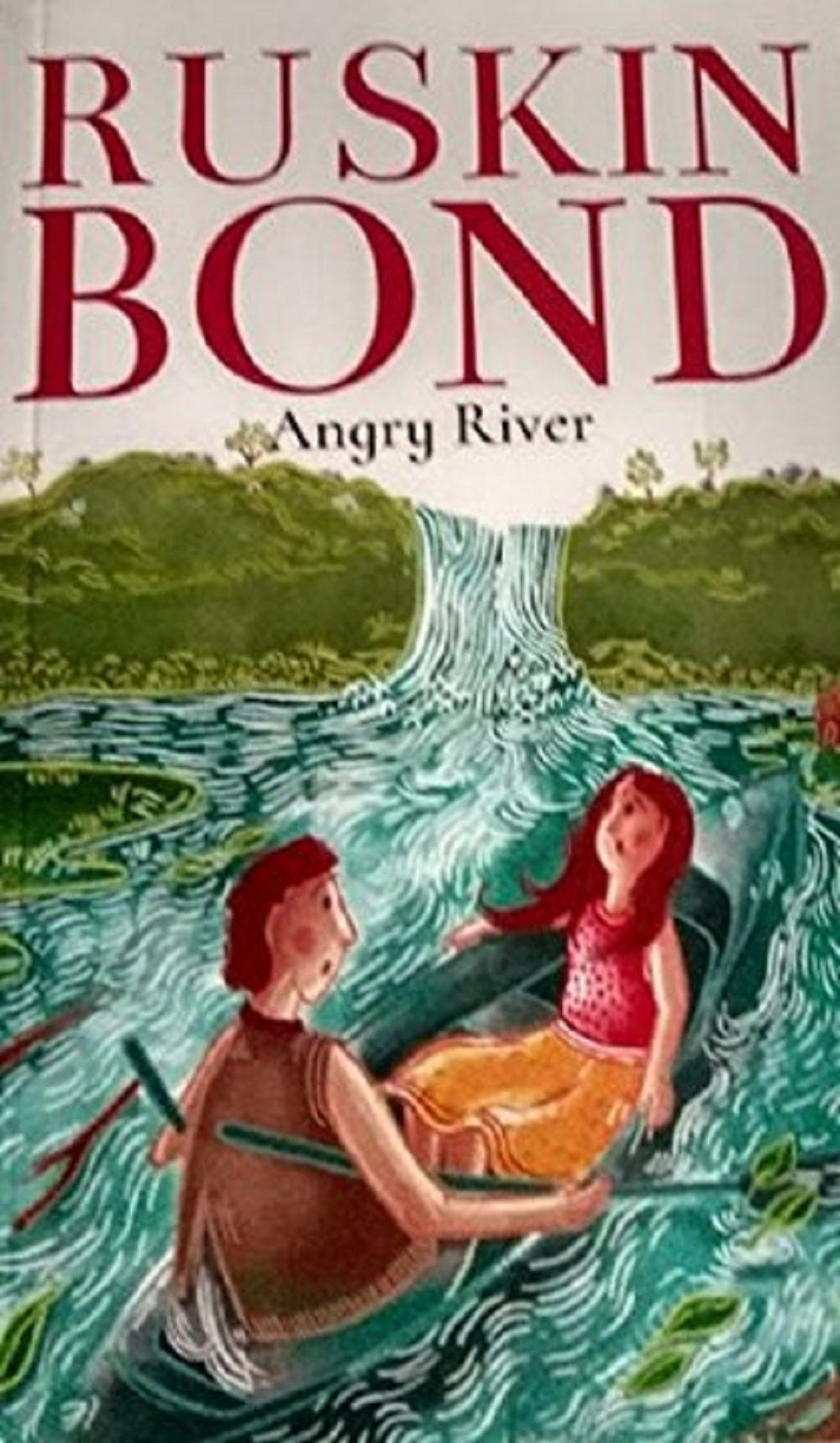
The Angry River
by Ruskin Bond
Sita lives with her grandparents on a tiny island in the middle of a great river. When her grandmother falls ill and her grandfather takes her to the hospital on the mainland, Sita is left on her own just as monsoon rains cause the river to swell uncontrollably. Invites older readers to reflect on compassion, courage, and resilience.

Ages 9–13
The Village by the Sea
by Anita Desai
In a small fishing village in India, young siblings Lila and Hari face severe hardship. With their mother seriously ill and their father struggling with alcoholism, the children must shoulder the burden of keeping the family together. Hari eventually leaves for Bombay in search of work, while Lila manages life at home. It is a poignant, grounded story of resilience, sibling bonds, and hope amidst economic struggle, giving young readers a vivid look at rural life and modern change.

Ages 12–14
Hatchet
by Gary Paulsen
After surviving a fatal plane crash, thirteen-year-old Brian finds himself stranded alone in the remote Canadian wilderness. With only the clothes on his back and a hatchet gifted by his mother, he must figure out how to find food, build shelter, and protect himself from wild animals and harsh weather. Encourages gentle, guided conversations about challenging feelings and experiences.
Ages 12–14
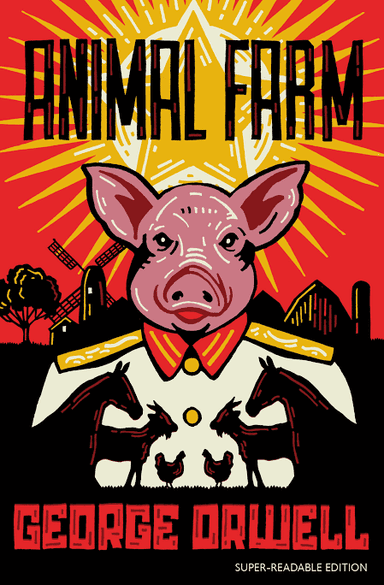
Animal Farm
by George Orwell
When the mistreated animals of Manor Farm drive out their human master, they dream of building an equal and just society where every creature is free. Led by the clever pigs, they establish Animalism and set to work managing the farm themselves. Over time, however, power concentrates into fewer hands, and rules slowly begin to change. This classic political fable uses an accessible barnyard setting to examine how ideals can be corrupted by greed, making it thought-provoking reading for older children exploring history and politics.
A good book is the start. A mentor makes it stick.
In a free 1:1 session, a trained Bookstaken mentor reads with your child, asks what they think and helps the reading habit last.