
Age rating and parents' guide:பாரதியார் கவிதைகள் (Bharathiyar Kavidhaigal)
by Subramania Bharati
Ages 12–16
பாரதியார் கவிதைகள் (Bharathiyar Kavidhaigal) by Subramania Bharati is best for children aged 12–16. It has no violence, nothing scary, no romance and no bad language. Worth knowing: Choose an age-appropriate selection; Tamil vocabulary and historical context may need support.
Written in Tamil, this collection gathers the celebrated poetry of Subramania Bharati. Spanning patriotic anthems, lyrical hymns to nature, and spirited verses advocating for social equality and women's freedom, these poems carry a powerful rhythm and fiery passion. A welcoming introduction to traditions, culture, and shared stories.
Content ratings
How much of each a parent can expect, from none to strong.
- Violence
- None
- Scary moments
- None
- Romance
- None
- Bad language
- None
Worth knowing: Choose an age-appropriate selection; Tamil vocabulary and historical context may need support.

Content checked by Dhiraj Bodade, co-founder of Bookstaken, on .
At a glance
- Poetry
- In Tamil
- A steady start that picks up quickly
- Mostly text
- Emotionally light
- Indian author, setting or story
Great for kids who like
- Indian stories
- Art & drawing
- Nature & outdoors
Reading mood
- Lyrical
Good to talk about
- Indian heritage
Books like பாரதியார் கவிதைகள் (Bharathiyar Kavidhaigal)
Similar stories for the same ages, none more intense than this one should be for its youngest readers.

Ages 7–14
আবোল তাবোল (Abol Tabol): The Nonsense World of Sukumar Ray
by Sukumar Ray
Written in Bengali, this celebrated collection of nonsense rhymes introduces a playful universe filled with hybrid creatures, bizarre rules, and eccentric characters like the Tyandash and Haw-Jaw-Baw-Law. Accompanied by the author's own quirky illustrations, each poem bounces along with infectious rhythm, whimsical puns, and gentle satire. Brings a little silliness to reading time and invites shared smiles.

Ages 10–14
पंच परमेश्वर (Panch Parmeshwar)
by Munshi Premchand
Written in Hindi by Munshi Premchand, this classic story revolves around two close village friends, Jumman Sheikh and Algu Chowdhary. When an elderly aunt takes a grievance against Jumman to the local village council, Algu is chosen to lead the panel. Invites readers to discover and appreciate rich storytelling traditions.
Ages 8–13
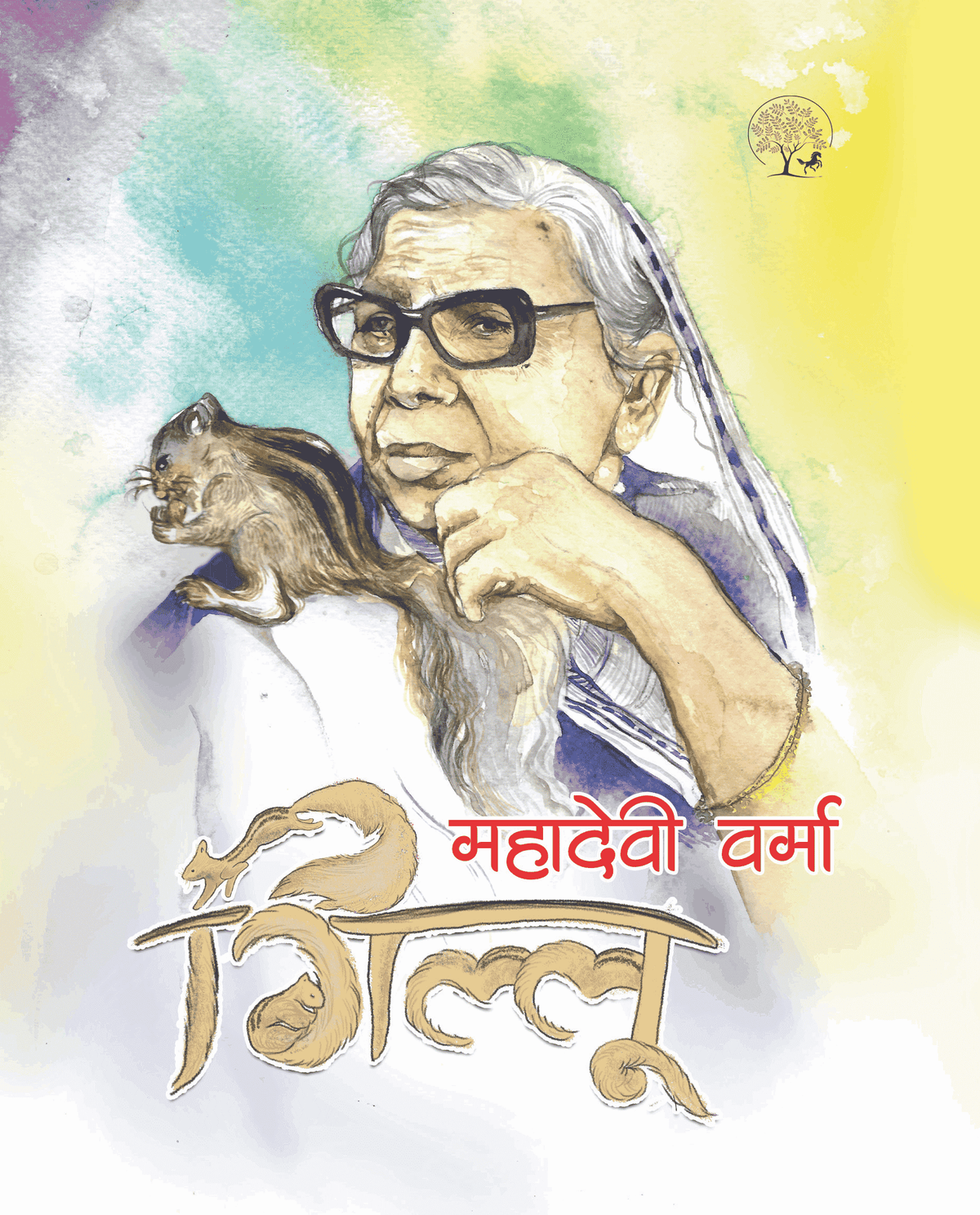
गिल्लू (Gillu)
by Mahadevi Verma
Written in Hindi, this touching classic story recounts the author's real-life bond with a tiny wounded squirrel she rescues, nurses back to health, and names Gillu. As Gillu grows, he becomes a lively, affectionate companion who perches on her shoulder and plays around her writing desk. Invites older readers to reflect on compassion, courage, and resilience.

Ages 8–13
दो बैलों की कथा (Do Bailon Ki Katha)
by Munshi Premchand
Written in Hindi, this classic story by Munshi Premchand follows two loyal bullocks, Heera and Moti. Deeply attached to their caring master, the pair are lent to an unkind relative who mistreats them. Offers space for thoughtful conversations about empathy and difficult choices.

Ages 6–13
भारतीय बाल कहानियाँ भाग-4 (Bharatiya Bal Kahaniyan Bhag-4)
by Sahitya Akademi
Written in Hindi, this fourth volume in the Sahitya Akademi anthology brings together carefully curated children's stories from across India. The collection features rich tales highlighting regional folklore, moral values, everyday childhood adventures, and diverse cultural traditions. Opens conversations about culture, community, and different ways of life.
Ages 7–14
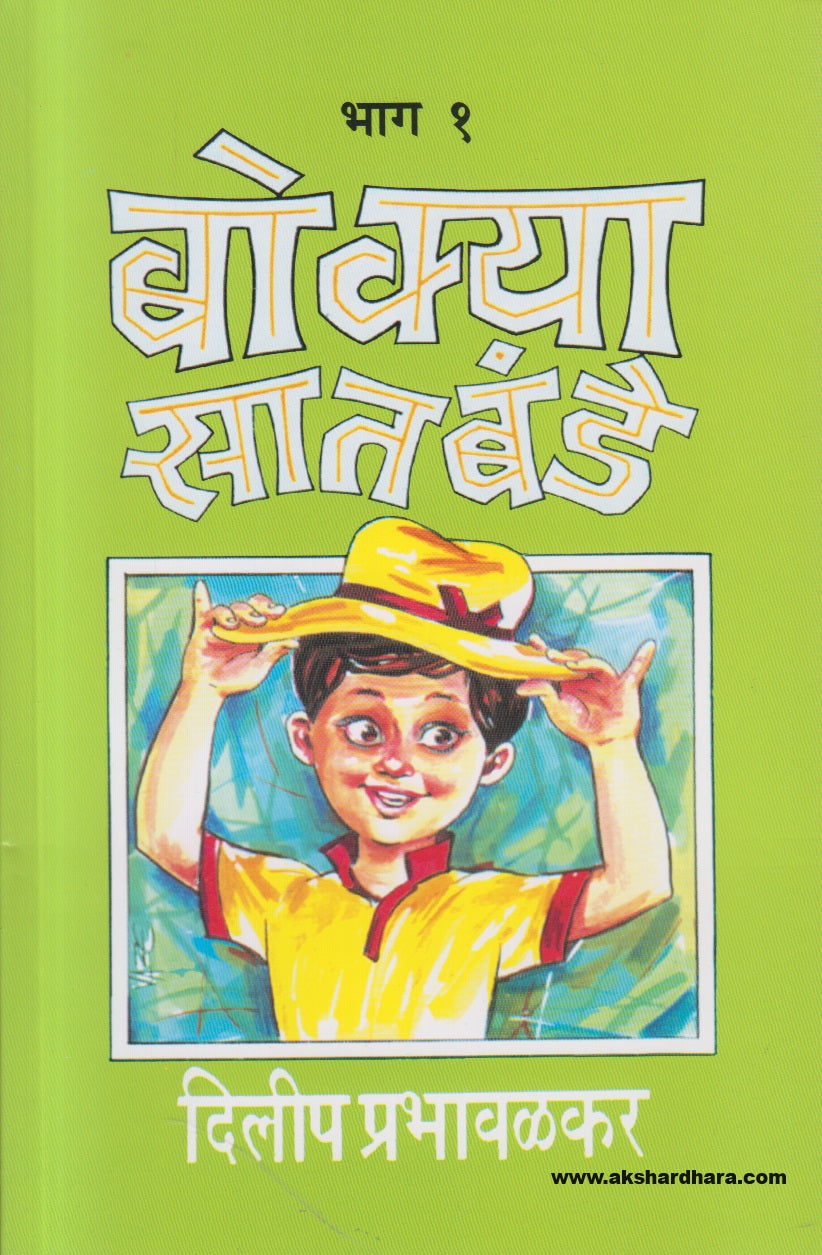
Bokya Satbande: Part 1
by Dilip Prabhavalkar
Written in Marathi, this lively collection follows the everyday escapades of Bokya Satbande, an imaginative, quick-witted, and mischievous boy living in Maharashtra. Bokya constantly finds himself tangled up in funny situations with his family, neighbours, and friends, yet his clever ideas and good intentions often help solve neighborhood problems.
A good book is the start. A mentor makes it stick.
In a free 1:1 session, a trained Bookstaken mentor reads with your child, asks what they think and helps the reading habit last.