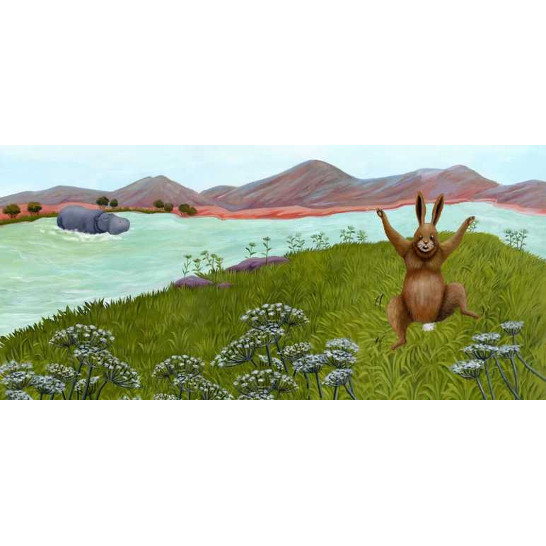
Age rating and parents' guide:¿Por qué los hipopótamos no tienen pelo?
by Basilio Gimo, David Ker
Ages 5–9
¿Por qué los hipopótamos no tienen pelo? by Basilio Gimo, David Ker is best for children aged 5–9. It has moderate violence, a few mildly scary moments, no romance and no bad language.
When Hippo accidentally steps on Rabbit's foot while grazing by the river, she immediately apologizes. But Rabbit refuses to forgive her and convinces Fire to seek revenge. A traditional pourquoi tale explaining why hippos have no hair and why they stay close to the safety of water.
Content ratings
How much of each a parent can expect, from none to strong.
- Violence
- Moderate
- Scary moments
- Mild
- Romance
- None
- Bad language
- None

Content checked by Dhiraj Bodade, co-founder of Bookstaken, on .
At a glance
- Picture book
Books like ¿Por qué los hipopótamos no tienen pelo?
Similar stories for the same ages, none more intense than this one should be for its youngest readers.

Ages 5–9
Andiswa Fußballstar
by Eden Daniels
Andiswa loves soccer and dreams of playing with the school team, but the coach and boys tell her the sport is only for boys. When the star player falls ill right before a crucial match, Andiswa gets an unexpected chance to step onto the field and show everyone what she can do.
Ages 6–8
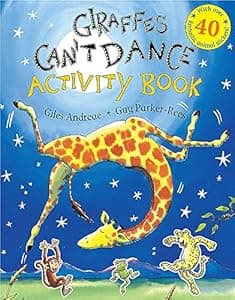
Giraffes Can't Dance
by Giles Andreae
Gerald the giraffe longs to join in the annual Jungle Dance, but his crooked knees and thin legs make him clumsy. When the other animals laugh and tease him, Gerald walks off feeling sad and alone. A thoughtful cricket encourages him to listen to the sounds of nature and find his own unique tune. With rhythmic rhyming text and lively, expressive illustrations, this uplifting story reassures young readers about celebrating differences and building self-confidence.
Ages 6–8
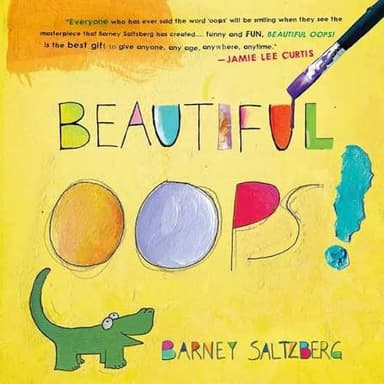
Beautiful Oops!
by Barney Saltzberg
This playful, interactive picture book demonstrates how accidents and blunders can spark wonderful new ideas. Through clever pop-ups, fold-outs, torn edges, and paint spills, Barney Saltzberg shows young readers that a spill can become an animal or a rip can become an alligator's mouth. It is an uplifting, reassuring read that encourages a growth mindset, helping children worry less about making mistakes and feel excited to embrace their own creative experiments.

Ages 5–9
Crianças de cera
by Southern African Folktale
In a peaceful family, the children live by a strict rule: because they are made of wax, they can only work by night and must never go near fire or hot sunshine. Yet one curious boy yearns to see daylight. When his longing pulls him outside into the blazing sun, disaster strikes—prompting his loving brothers to craft an imaginative, transformative solution. A poignant traditional Southern African tale exploring desire, loss, and familial love.
Ages 6–8
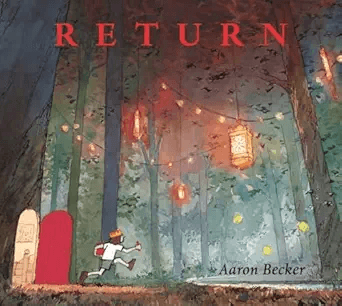
Return
by Aaron Becker
In the final chapter of the wordless Journey trilogy, a young girl is feeling neglected by her busy father. When she steps back into the magical drawn kingdom, her father discovers her secret and follows her inside. Together, they must use their magical markers to face an invading threat and rescue their new friends. Children are captivated by the intricate, cinematic illustrations and the warm, heartwarming exploration of a parent-child bond strengthened through adventure.
Ages 6–8
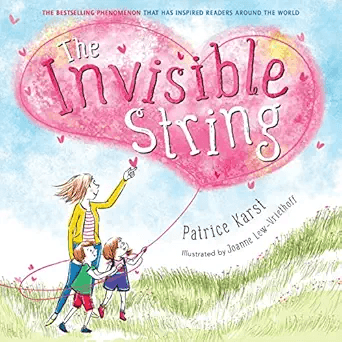
The Invisible String
by Patrice Karst
During a scary thunderstorm, a mother comforts her twins by sharing a comforting secret: an invisible string made of love connects people to everyone they care about, no matter how far apart they are. As the children explore how far the string reaches, they realise they are never truly alone. This gentle, reassuring picture book offers comfort for children facing separation anxiety, grief, or changes in the family, providing an easy-to-grasp metaphor that stays with them.
A good book is the start. A mentor makes it stick.
In a free 1:1 session, a trained Bookstaken mentor reads with your child, asks what they think and helps the reading habit last.