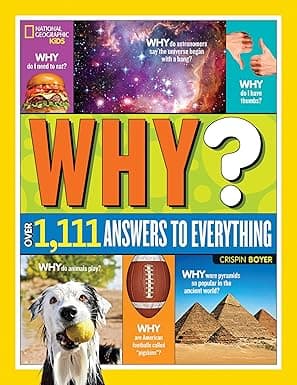
Age rating and parents' guide:National Geographic Kids Why?
by Crispin Boyer
Ages 9–11
National Geographic Kids Why? by Crispin Boyer is best for children aged 9–11. It has no violence, nothing scary, no romance and no bad language.
Packed with answers to quirky and fascinating questions, this colorful reference guide covers everything from the human body and animal behavior to outer space and everyday mysteries. Bright photographs, diagrams, and lively explanations make complex topics easy to grasp. Children who love trivia, science, and figuring out how the world works will enjoy browsing its bite-sized facts and surprising revelations.
Content ratings
How much of each a parent can expect, from none to strong.
- Violence
- None
- Scary moments
- None
- Romance
- None
- Bad language
- None

Content checked by Dhiraj Bodade, co-founder of Bookstaken, on .
At a glance
- Non-fiction
- Easy to get into from the first page
- Some illustrations
- Emotionally light
- A good pick for reluctant readers
Great for kids who like
- Science Fiction & Space
- Animals
- Science
Reading mood
- Informative
Good to talk about
- Science
- Science Fiction & Space
Books like National Geographic Kids Why?
Similar stories for the same ages, none more intense than this one should be for its youngest readers.
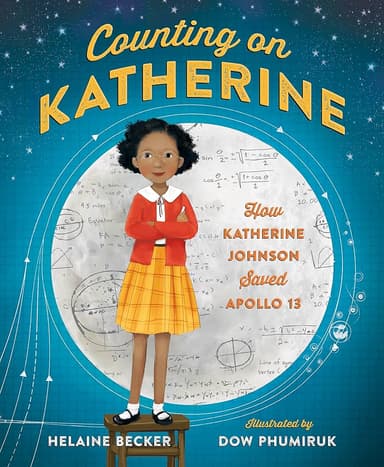
Ages 6–11
Counting on Katherine
by Helaine Becker
From a young age, Katherine Johnson counted everything around her, driven by a deep curiosity and love for mathematics. Despite facing barriers due to her race and gender, she pursued her education and joined NASA, where her precise calculations helped launch the first American into space and safely navigate the Apollo 13 mission. This inspiring picture book introduces young readers to a pioneering thinker, highlighting the power of perseverance and showing how a passion for numbers can solve real-world problems.
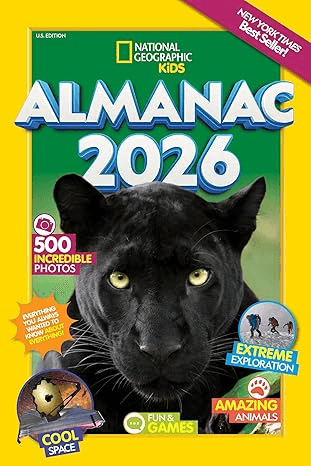
Ages 9–14
National Geographic Kids Almanac
by National Geographic Kids
This colourful annual is packed with fascinating facts, stunning photographs, and engaging features covering science, nature, geography, and world culture. Readers can explore incredible animal profiles, bizarre world records, interactive quizzes, and practical crafts and games. Its energetic, bite-sized format makes it easy to dip into for quick trivia or browse for hours, making it a hit with curious minds who love discovering surprising details about the planet.
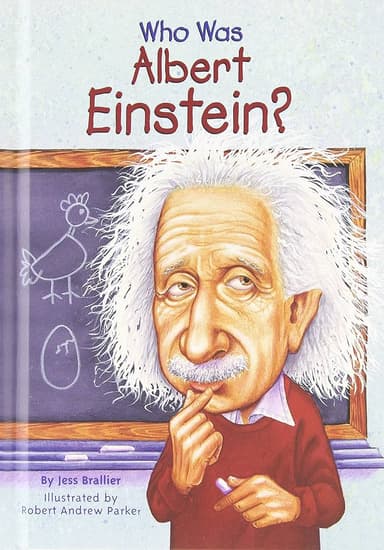
Ages 9–11
Who Was Albert Einstein?
by Jess Brallier
This accessible biography introduces young readers to Albert Einstein, from his quiet childhood and rebellious school days to his groundbreaking discoveries in physics. Filled with black-and-white illustrations, clear explanations of his complex theories, and entertaining anecdotes about his quirky habits, the book paints a rounded portrait of the famous genius. Children enjoy learning about his eccentric personality and discovering how curiosity and unconventional thinking can change the world.
Ages 9–14
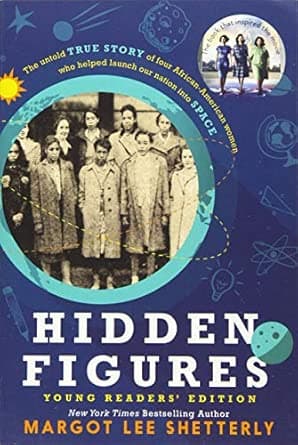
Hidden Figures (Young Readers' Edition)
by Margot Lee Shetterly
This inspiring non-fiction book shares the true story of four brilliant African American female mathematicians—Dorothy Vaughan, Mary Jackson, Katherine Johnson, and Christine Darden—who played vital roles in NASA's early space missions. Readers follow their perseverance as they overcome systemic racial segregation and gender barriers to calculate trajectories for historic flights. It offers an eye-opening blend of history and science that encourages curiosity, fairness, and determination.
Ages 9–14
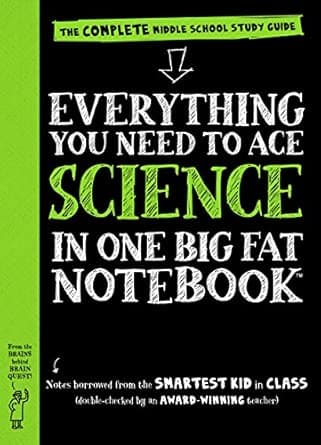
Everything You Need to Ace Science
by Workman Publishing
Presented as the notebook of the smartest kid in class, this comprehensive guide covers middle school science from earth science and biology to physics and chemistry. Full of doodles, highlighter-style callouts, diagrams, and quick quizzes, it breaks complex scientific ideas into bite-sized, easy-to-digest summaries. Young learners appreciate the approachable notebook format and lighthearted tone, which make reviewing foundational concepts feel engaging and stress-free.
Ages 9–14
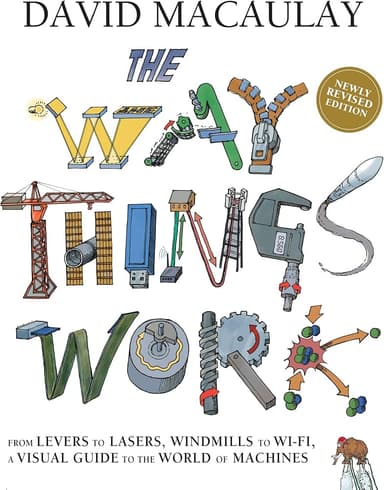
The Way Things Work Now
by David Macaulay
Packed with intricate cutaway diagrams, this classic guide explores the inner workings of everyday machines and modern technology. David Macaulay breaks down complex mechanical and digital principles—from simple levers and gears to smartphones and 3D printers—using clear explanations and whimsical woolly mammoths to demonstrate how forces operate. Inquisitive readers love the visual humor and detailed illustrations, making it easy to dip into for quick discoveries or study closely for hours.
A good book is the start. A mentor makes it stick.
In a free 1:1 session, a trained Bookstaken mentor reads with your child, asks what they think and helps the reading habit last.