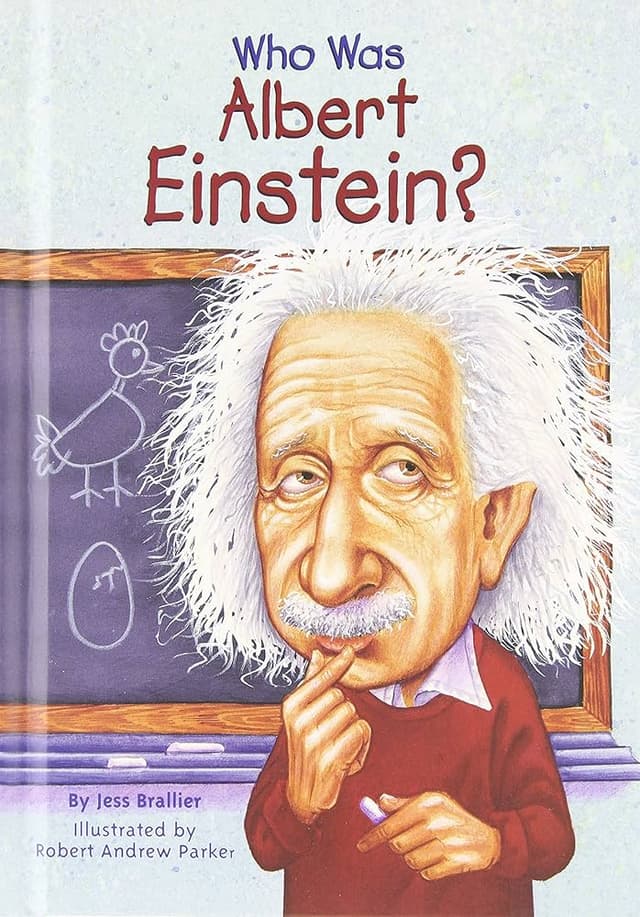
Age rating and parents' guide:Who Was Albert Einstein?
by Jess Brallier
Ages 9–11
Who Was Albert Einstein? by Jess Brallier is best for children aged 9–11. It has no violence, nothing scary, no romance and no bad language.
This accessible biography introduces young readers to Albert Einstein, from his quiet childhood and rebellious school days to his groundbreaking discoveries in physics. Filled with black-and-white illustrations, clear explanations of his complex theories, and entertaining anecdotes about his quirky habits, the book paints a rounded portrait of the famous genius. A friendly starting point for exploring science through everyday questions.
Content ratings
How much of each a parent can expect, from none to strong.
- Violence
- None
- Scary moments
- None
- Romance
- None
- Bad language
- None

Content checked by Dhiraj Bodade, co-founder of Bookstaken, on .
At a glance
- Non-fiction
- Part of the Who Was? series
- Easy to get into from the first page
- Some illustrations
- Emotionally light
- A good pick for reluctant readers
Great for kids who like
- Non-Fiction
- Science
- History & biography
Reading mood
- Informative
Good to talk about
- Science
- History & biography
Books like Who Was Albert Einstein?
Similar stories for the same ages, none more intense than this one should be for its youngest readers.
Ages 9–14
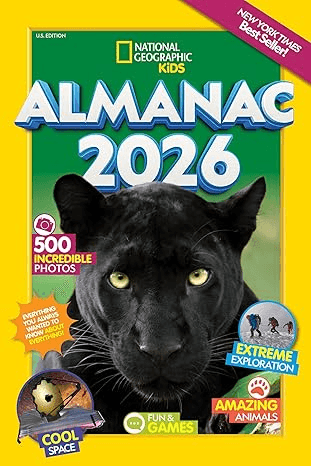
National Geographic Kids Almanac
by National Geographic Kids
This colourful annual is packed with fascinating facts, stunning photographs, and engaging features covering science, nature, geography, and world culture. Readers can explore incredible animal profiles, bizarre world records, interactive quizzes, and practical crafts and games.
Ages 9–14
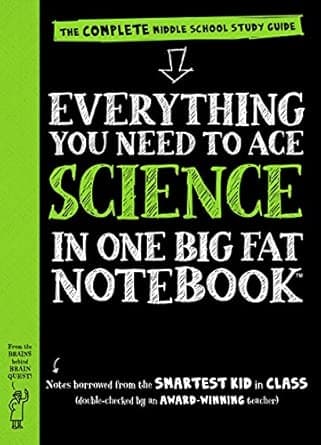
Everything You Need to Ace Science
by Workman Publishing
Presented as the notebook of the smartest kid in class, this comprehensive guide covers middle school science from earth science and biology to physics and chemistry. Full of doodles, highlighter-style callouts, diagrams, and quick quizzes, it breaks complex scientific ideas into bite-sized, easy-to-digest summaries. Makes room for curious questions and discovering how things work.
Ages 9–14
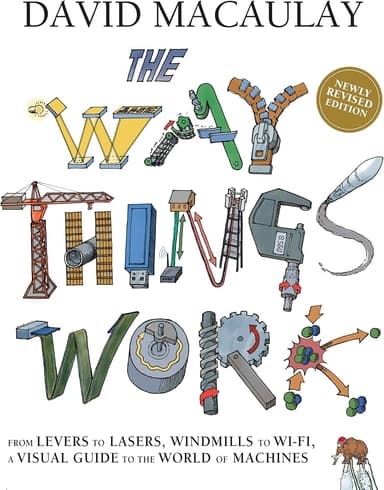
The Way Things Work Now
by David Macaulay
Packed with intricate cutaway diagrams, this classic guide explores the inner workings of everyday machines and modern technology. David Macaulay breaks down complex mechanical and digital principles—from simple levers and gears to smartphones and 3D printers—using clear explanations and whimsical woolly mammoths to demonstrate how forces operate. A friendly starting point for exploring science through everyday questions.
Ages 9–14
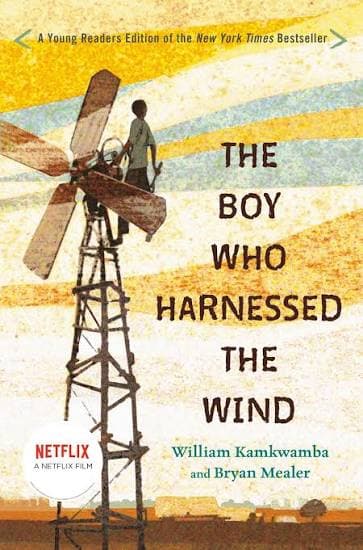
The Boy Who Harnessed the Wind (Young Readers Edition)
by William Kamkwamba & Bryan Mealer
When a terrible drought strikes his village in Malawi, fourteen-year-old William Kamkwamba's family can no longer afford his school fees. Refusing to give up on learning, he visits the local library and discovers how electricity works. Encourages gentle, guided conversations about challenging feelings and experiences.
Ages 10–14
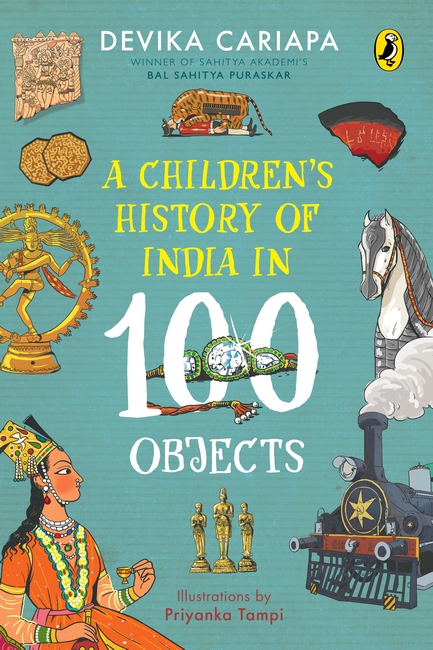
A Children's History of India in 100 Objects
by Devika Cariapa
This engaging guide takes readers on a chronological journey through India's past by examining one hundred fascinating artifacts, from prehistoric tools and Indus Valley seals to modern currency and cinema posters. Invites thoughtful questions about the past and the world today.
Ages 6–10
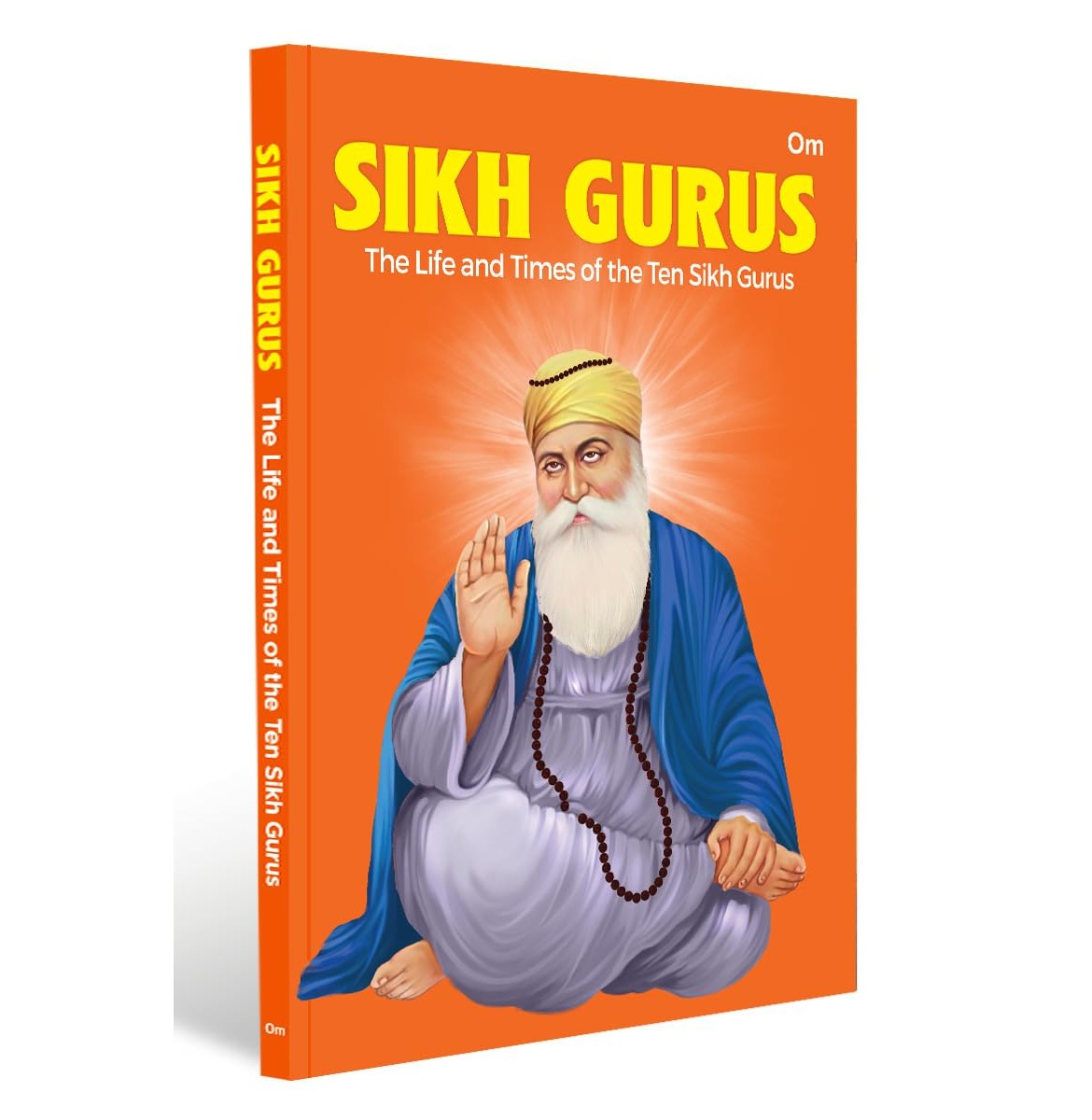
Sikh Gurus: The Life and Times of the Ten Gurus
by Om Books International
This beautifully illustrated non-fiction book introduces young readers to the lives, teachings, and history of the ten Sikh Gurus, starting from Guru Nanak Dev Ji to Guru Gobind Singh Ji. Opens conversations about culture, community, and different ways of life.
On these book lists
A good book is the start. A mentor makes it stick.
In a free 1:1 session, a trained Bookstaken mentor reads with your child, asks what they think and helps the reading habit last.