Fantasy vs Mystery vs Adventure: Which Books Help Children Think More?
Fantasy builds imagination, mystery strengthens reasoning, and adventure grows curiosity. Learn how each genre shapes children’s thinking and reading habits.

Do Different Types of Books Shape How Children Think?
Parents often ask an interesting question:
Are some types of books better for children’s thinking than others?
For example:
- Do fantasy books improve imagination?
- Do mystery books develop problem-solving skills?
- Do adventure stories build curiosity?
The honest answer: each genre exercises different habits of mind, though there is little research comparing genres directly.
Stories are not only entertainment. They are also mental exercises.
Psychologists describe fiction as a kind of simulation: as children read, they imagine places, people and events, and feel their way through them (Mar & Oatley, 2008).
Each genre encourages children to think in slightly different ways.
Fantasy expands imagination, mystery strengthens analytical thinking, and adventure inspires curiosity and resilience.
Understanding these differences can help parents guide children toward a balanced reading experience.
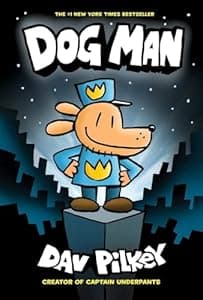
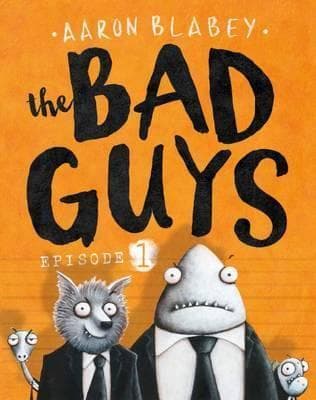
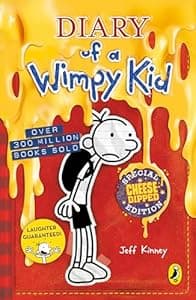
How Stories Train the Brain
When children read stories, their brains are doing far more than simply recognizing words.
Brain imaging studies, mostly with adult readers, show that stories engage areas related to:
- visualization
- emotional understanding
- prediction and reasoning
- language processing
This means that while reading, children are in a sense living the experience in their minds. In one study, readers who felt most caught up in tense Harry Potter passages showed more activity in brain areas linked to emotion (Hsu, Conrad & Jacobs, 2014).
Different genres create different types of mental simulations.
Let’s explore how fantasy, mystery, and adventure stories shape children’s thinking.
Fantasy Books: Expanding Imagination
Fantasy stories transport children into worlds that operate beyond normal rules.
These stories may include:
- magical creatures
- hidden kingdoms
- supernatural abilities
- enchanted objects
At first glance, fantasy might seem purely entertaining.
Literature scholars argue that fantasy gives creative thinking and imagination a real workout (Nikolajeva, 2014).
When children read fantasy, they must imagine:
- unfamiliar worlds
- new rules of reality
- complex magical systems
This mental visualization strengthens the brain’s ability to create and manipulate ideas.
Imagination is not just important for storytelling.
It also plays a role in:
- innovation
- scientific thinking
- problem-solving
Many inventors, scientists, and artists have credited imaginative stories with inspiring their curiosity about the world.
Fantasy also often explores themes such as:
- courage
- friendship
- moral choices
These themes help children think about values and ethical decisions.
Mystery Books: Developing Analytical Thinking
Mystery stories challenge children to think like detectives.
Instead of simply following the plot, readers must actively analyze clues and predict outcomes.
Mystery stories often include:
- puzzles
- hidden motives
- misleading clues
- unexpected twists
Understanding any story means making inferences: combining clues to work out what the author hasn't said (Graesser, Singer & Trabasso, 1994). Mysteries make that the whole game.
For example, a child reading a mystery might ask:
- Why did that character act suspiciously?
- What clue did the detective notice?
- Who might be responsible for the crime?
These questions train children to observe details carefully and evaluate possibilities.
Mystery books therefore strengthen important cognitive skills such as:
- logical reasoning
- attention to detail
- pattern recognition
These skills are valuable not only in reading but also in subjects like mathematics and science.
Adventure Books: Inspiring Curiosity and Resilience
Adventure stories focus on journeys, challenges, and exploration.
These books often involve:
- traveling to unknown places
- overcoming obstacles
- surviving dangerous situations
- discovering hidden treasures
Adventure stories capture children’s attention through excitement and suspense.
But beyond excitement, they often highlight themes of perseverance and courage.
Psychologist Albert Bandura found that seeing someone like you succeed builds your belief that you can too (Bandura, 1997). Stories of characters who keep going may help children build self-confidence and resilience in a similar way.
When children read about characters facing difficult situations, they imagine how they might respond in similar circumstances.
Adventure books therefore encourage:
- curiosity about the world
- determination during challenges
- willingness to explore new ideas
These qualities are essential for both personal growth and learning.
Comparing the Three Genres
Each genre strengthens different mental abilities.
| Genre | Key Thinking Skill Developed |
|---|---|
| Fantasy | Imagination and creativity |
| Mystery | Analytical reasoning |
| Adventure | Curiosity and resilience |
However, these genres are not mutually exclusive.
Many stories combine elements from multiple genres.
For example, a fantasy story may include mysteries to solve, while an adventure story may involve imaginative worlds.
This blending creates rich cognitive experiences for readers.
Give a keen reader someone to talk books with
- Talks through a story
- Writes their own story
- Your report on WhatsApp
Which Genre Is Best for Children?
The most beneficial approach is not choosing one genre over another.
Instead, children benefit from exploring multiple types of stories.
Reading diverse genres exposes children to different ways of thinking.
Reading different genres gives children practice in different ways of thinking, and keeps reading from feeling the same.
Children who read a wide range of stories learn to:
- imagine possibilities
- analyze situations
- empathize with characters
- solve problems creatively
Each genre contributes something unique to a child’s development.
How Parents Can Encourage Genre Exploration
Some children naturally gravitate toward specific genres.
One child might love fantasy dragons, while another enjoys solving mysteries.
Parents can encourage broader exploration by:
- introducing books from different genres
- discussing what makes each story interesting
- asking children which stories excite them most
- visiting libraries or bookstores together
Allowing children to explore freely helps them discover what kinds of stories resonate with them.
Reading and Cognitive Development
Stories do more than entertain children.
They stimulate intellectual growth in several ways.
Research links reading fiction with:
- empathy and social understanding (Mar et al., 2006)
- imagination and creativity
- making inferences and predictions (Graesser et al., 1994)
Stories allow children to experience situations that may never occur in real life.
This exposure helps them develop broader perspectives and deeper understanding.
Why Variety Matters for Long-Term Reading Habits
Children who explore different genres often develop stronger reading habits.
Variety prevents reading from feeling repetitive or predictable.
A child who alternates between fantasy adventures, clever mysteries, and exciting exploration stories experiences reading as a constantly evolving journey.
This sense of discovery keeps curiosity alive.
Final Thoughts
Fantasy, mystery, and adventure stories each shape children’s thinking in unique ways.
Fantasy expands imagination.
Mystery strengthens analytical reasoning.
Adventure inspires curiosity and resilience.
Together, these genres create a powerful foundation for intellectual growth.
Rather than choosing the “best” genre, parents can encourage children to explore many kinds of stories.
Because the more worlds children explore through books, the more ways they learn to think.
More guides on this topic: Focus and learning
Latest Articles
Similar Articles
Want Your Child to Experience Books More Deeply?
Bookstaken pairs kids with caring mentors who turn reading into engaging conversations, inspiring them to eventually write their own stories.
Responses
No responses yet. Be the first to share your thoughts.
Love books yourself? Get paid to read with kids as a Bookbuddy
