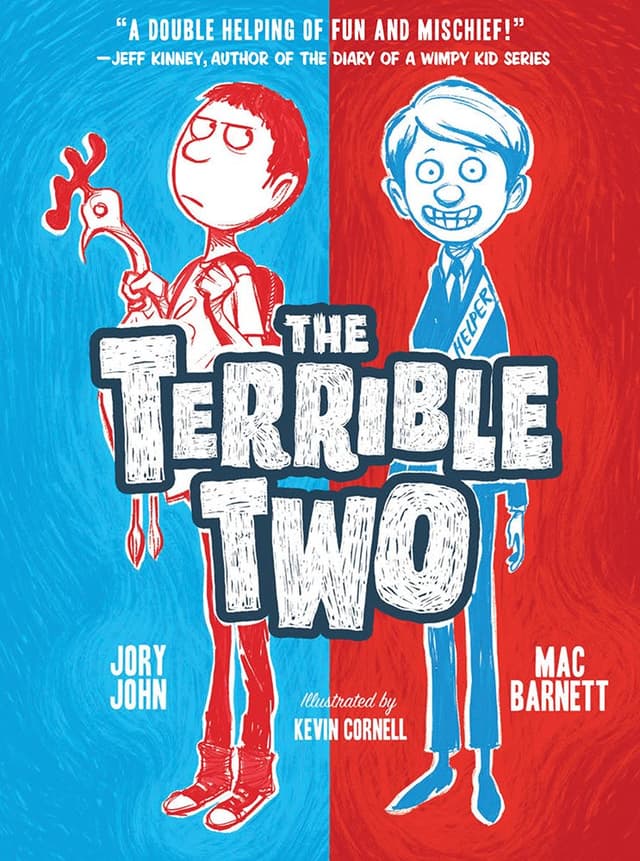
Age rating and parents' guide:The Terrible Two
by Mac Barnett & Jory John
Ages 9–11
The Terrible Two by Mac Barnett & Jory John is best for children aged 9–11. It has no violence, nothing scary, no romance and no bad language.
When master prankster Miles Murphy moves to sleepy Yawnee Valley, he expects to quickly claim his title as the school's top trickster. To his surprise, the town already has an undercover prank genius of its own. What begins as a hilarious turf war between two clever rivals gradually turns into an alliance against their strict, cow-obsessed principal. Packed with witty diagrams, dry humor, and elaborate schemes, this fast-paced story delivers laugh-out-loud fun that keeps children hooked from the very start.
Content ratings
How much of each a parent can expect, from none to strong.
- Violence
- None
- Scary moments
- None
- Romance
- None
- Bad language
- None

Content checked by Dhiraj Bodade, co-founder of Bookstaken, on .
At a glance
- Early chapter book
- Part of the Terrible Two series
- Easy to get into from the first page
- Plenty of illustrations
- Emotionally light
- A good pick for reluctant readers
Great for kids who like
- School life
- Friendship
Reading mood
- Playful
Good to talk about
- Friendship
- School life
Books like The Terrible Two
Similar stories for the same ages, none more intense than this one should be for its youngest readers.
Ages 9–11
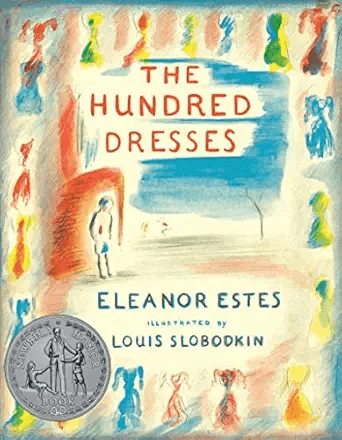
The Hundred Dresses
by Eleanor Estes
Wanda Petronski is a quiet Polish girl who wears the same faded blue dress to school every day, yet insists she has one hundred beautiful dresses lined up in her closet. Her classmates tease her relentlessly, while bystander Maddie watches on with a troubled conscience. When Wanda abruptly moves away, the children are confronted with the hurt their thoughtless game caused. This gentle, poignant classic offers a timeless look at empathy, remorse, and the courage it takes to speak up for others.
Ages 9–14
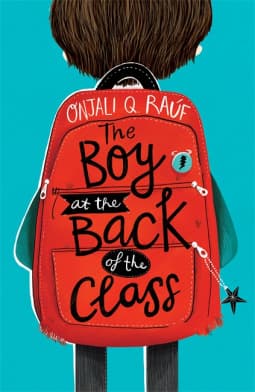
The Boy at the Back of the Class
by Onjali Q. Rauf
When nine-year-old Ahmet arrives in their classroom, an empty seat at the back is finally filled. He does not speak English and rarely smiles, but a determined group of classmates soon discovers that he is a refugee who fled war in Syria and became separated from his family. Deciding to be his friends, the children hatch a bold plan to help reunite him with his parents. Told with warmth, humour, and innocence, this uplifting story gives young readers an accessible look at empathy, friendship, and the refugee crisis.
Ages 9–11
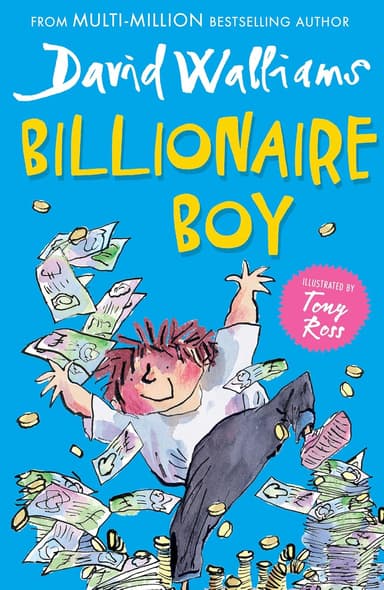
Billionaire Boy
by David Walliams
Joe Spud has everything a twelve-year-old could ever dream of, including his own Formula One car and a cinema in his house, thanks to his dad's fortune from inventing a new toilet roll. But despite all the luxury, Joe is desperately lonely and has no real friends. When he persuades his dad to send him to a local comprehensive school, he tries to fit in as an ordinary kid. Filled with absurd antics, broad slapstick humour, and genuine warmth, this entertaining story explores whether money can really buy happiness.
Ages 6–11
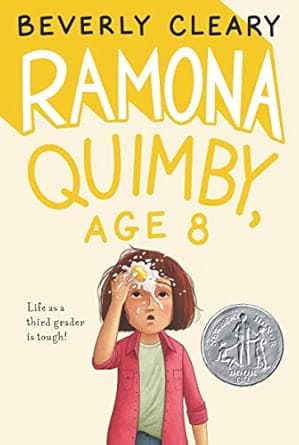
Ramona Quimby, Age 8
by Beverly Cleary
Eight-year-old Ramona Quimby is starting third grade at a brand-new school, determined to prove she can be sensible and grown-up. Between riding the bus on her own, dealing with an embarrassing raw egg incident at lunchtime, and navigating changes at home while her father goes back to college, life rarely goes according to plan. Full of warmth and gentle humour, this story captures the everyday triumphs and awkward mishaps of childhood in a way young readers instantly relate to.
Ages 6–11
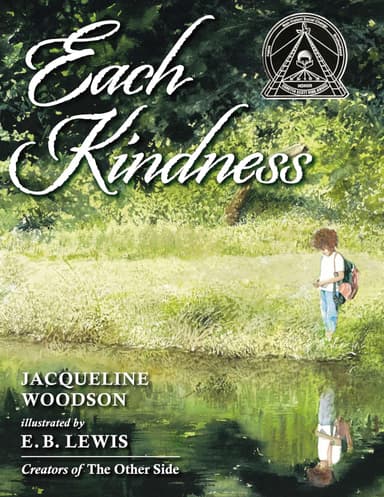
Each Kindness
by Jacqueline Woodson
Chloe and her friends repeatedly shut out Maya, a new girl at school whose clothes are worn and who plays alone. Each time Maya tries to join in, she is met with cold stares and laughter. When Maya suddenly stops coming to school, their teacher gives a lesson showing how every small act of kindness sends ripples out into the world. Chloe is left reflecting on missed chances. It is a quiet, deeply moving picture book that helps children think about empathy, exclusion, and how their everyday choices affect others.
Ages 9–11
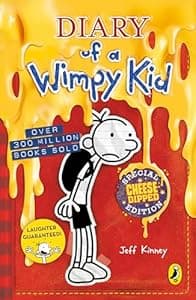
Diary of a Wimpy Kid
by Jeff Kinney
Greg Heffley is starting middle school, where undersized weaklings like him share the hallways with kids who are taller, meaner, and already shaving. To survive, he records his daily misadventures, family annoyances, and flawed plans for popularity in an illustrated journal. Written in a sharp, self-absorbed voice and packed with cartoon sketches, it offers a laugh-out-loud look at adolescent insecurity that reluctant and avid readers alike find hilarious.
On these book lists
A good book is the start. A mentor makes it stick.
In a free 1:1 session, a trained Bookstaken mentor reads with your child, asks what they think and helps the reading habit last.