Books they'll actually want to read
Free book recommendations for kids aged 6–14
Stories in your language
Takes less than a minute · Free
Book recommendations for kids, picked for your child
The best book for your child fits their reading comfort and whatever they are into right now. Bookstaken's free quiz asks about your reader and picks seven books using their interests, languages and content preferences. For children aged 6–14, in India or anywhere else.
How it works
Step 1
Tell us about your reader
About a dozen quick questions: age, how they feel about reading, books they loved or didn't, favourite genres and interests, languages, formats and anything you'd like to avoid.
Step 2
We match books to your child
We match your child's interests, reading comfort, formats and languages using books with catalogue content ratings. Age-based content limits and your avoid preferences are applied before the list is chosen.
Step 3
Get your list
Seven books, each with a note on why it suits your child, on the results page and as a printable PDF on WhatsApp.
Best books for ages 6–8
Short chapters, lots of pictures and a series to keep going with. At this age the goal is finishing books on their own and wanting the next one.
Ages 6–8
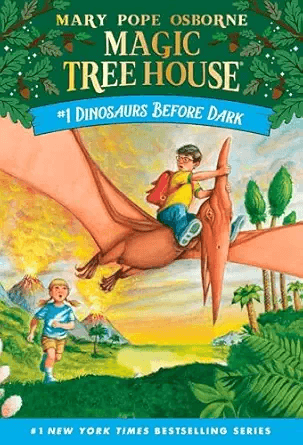
Magic Tree House
by Mary Pope Osborne
Jack and Annie time-travel to dinosaurs, knights and ancient Egypt. Short chapters and a new adventure in every book make it a perfect first series.
Ages 6–10
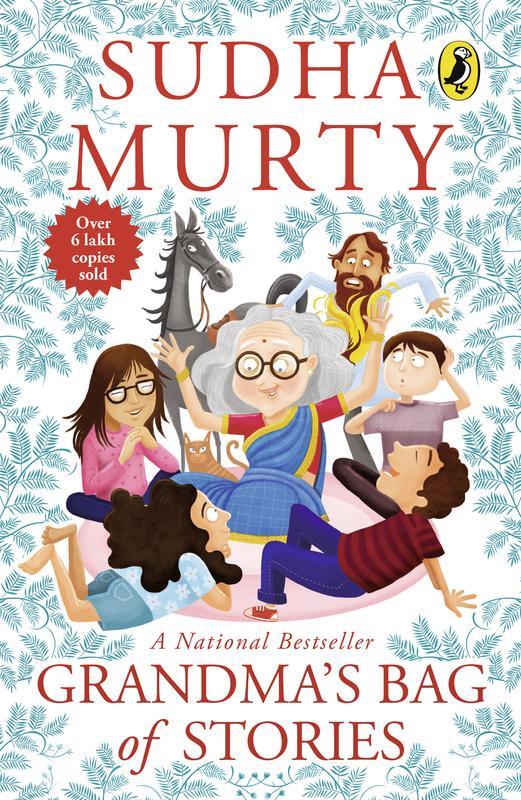
Grandma's Bag of Stories
by Sudha Murty
A grandmother tells a new story each evening of a summer holiday: kings, clever animals and gentle lessons. Just right for bedtime.
Ages 6–11
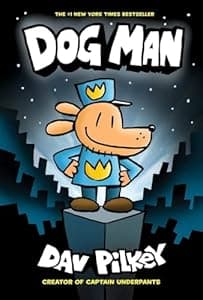
Dog Man
by Dav Pilkey
Half dog, half police officer, fully ridiculous. Comic panels and silly villains win over kids who say they hate reading. Expect mild potty humour.
Ages 6–8
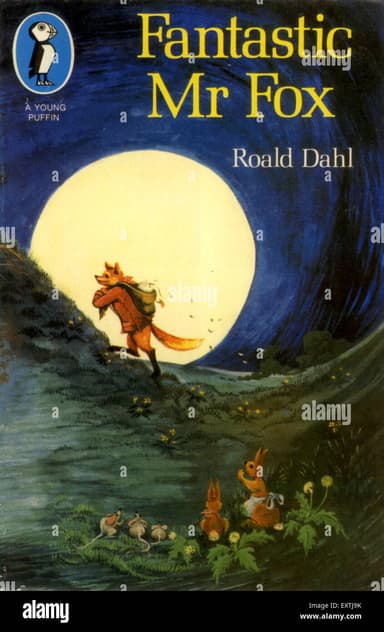
Fantastic Mr. Fox
by Roald Dahl
A clever fox outwits three greedy farmers to feed his family. Funny, fast and one of the best Roald Dahl books to read aloud.
Ages 6–8
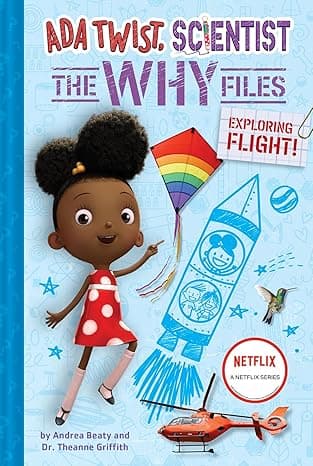
Ada Twist, Scientist
by Andrea Beaty
A girl who asks "why?" about everything tracks down a mysterious smell with experiments. For curious kids who love science.
Ages 6–8
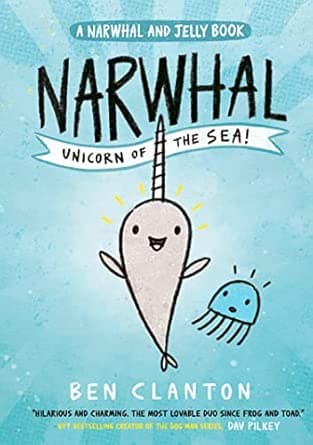
Narwhal and Jelly
by Ben Clanton
A cheerful narwhal and a sensible jellyfish in short comic chapters. Easy to read alone, with a joke on nearly every page.
Best books for ages 9–11
Kids this age are ready for longer stories and real plots, but humour and fast pacing still matter. Series and funny diaries are often what turn them into readers.
Ages 9–11
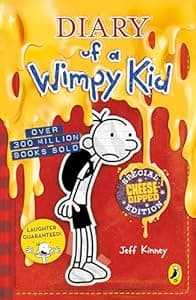
Diary of a Wimpy Kid
by Jeff Kinney
Greg's diary of school disasters, told in doodles and short entries. Easy to pick up, hard to put down, and there are many more in the series.
Ages 9–11
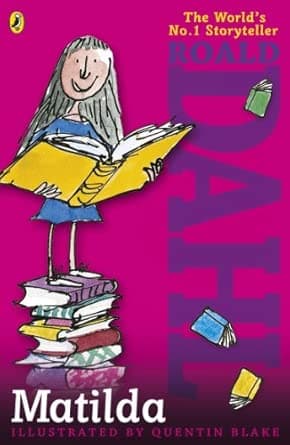
Matilda
by Roald Dahl
A book-loving girl with unusual powers stands up to the most terrifying headmistress in fiction. Funny, a little wicked and deeply satisfying.
Ages 9–11
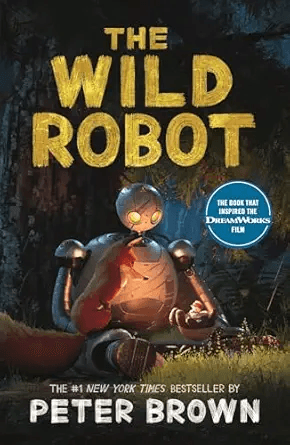
The Wild Robot
by Peter Brown
A robot washes up on a wild island and learns to live among the animals. Short chapters and a big heart, with a story about belonging.
Ages 8–12
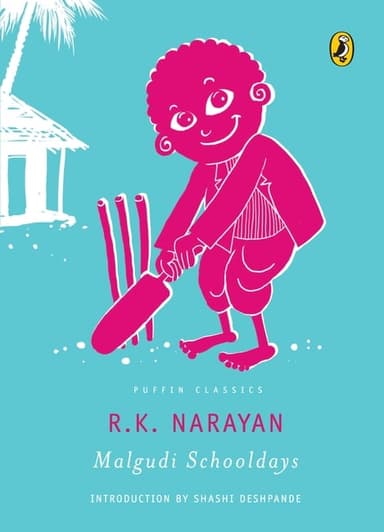
Malgudi Schooldays
by R. K. Narayan
Swami dodges homework, falls out with friends and lands in trouble in a small South Indian town. Funny, timeless and very relatable.
Ages 8–12
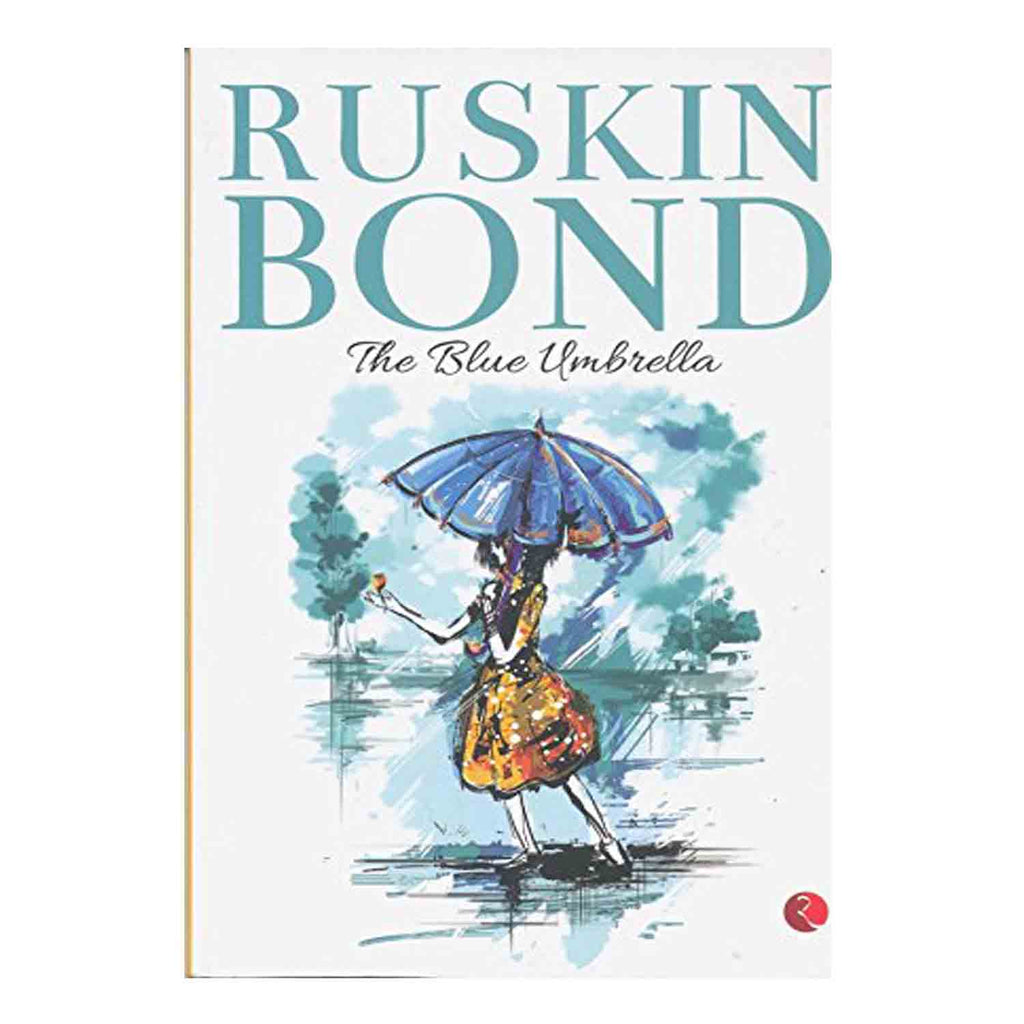
The Blue Umbrella
by Ruskin Bond
A girl in the Himalayan hills, her beautiful umbrella and a shopkeeper who wants it. A short, gentle story about envy and kindness.
Best books for ages 12–14
Full-length novels, bigger themes and books worth talking about. Pick stories that respect how much young teens can handle, and leave room for them to choose.
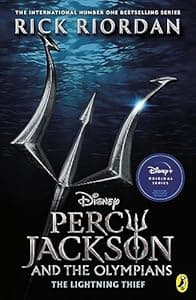
Ages 9–14
Percy Jackson and the Olympians
by Rick Riordan
A boy finds out he is the son of a Greek god. Funny, fast quests through mythology, and five books to keep them going.

Ages 9–14
Aru Shah and the End of Time
by Roshani Chokshi
An Indian-American girl wakes an ancient demon and has to find the reborn Pandava brothers. Percy Jackson energy with Mahabharata roots.
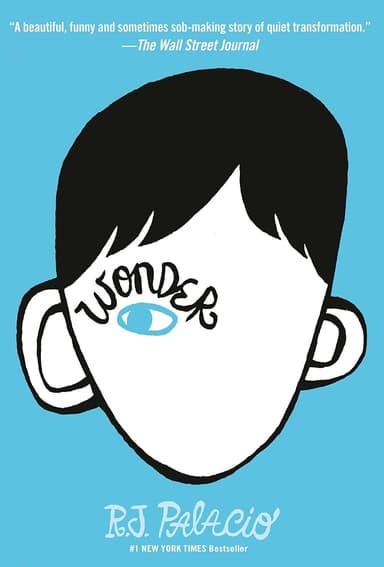
Ages 9–14
Wonder
by R. J. Palacio
Auggie, a boy with a facial difference, goes to school for the first time. A warm book about kindness that families love discussing.
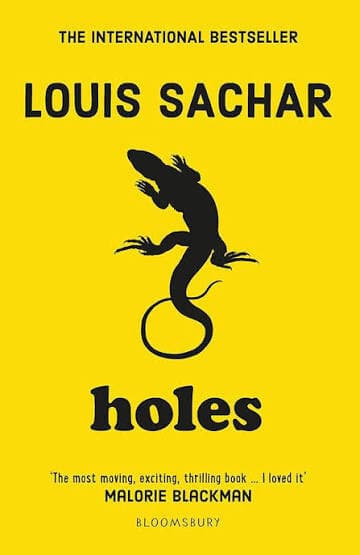
Ages 9–14
Holes
by Louis Sachar
Stanley is sent to a desert camp to dig holes all day and slowly uncovers a family mystery a century old. Clever, funny and tightly plotted.
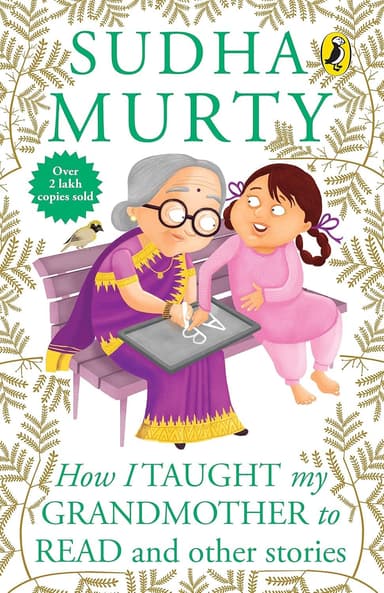
Ages 9–14
How I Taught My Grandmother to Read
by Sudha Murty
Short stories about honesty, kindness and learning, starting with a girl teaching her grandmother to read. Easy to dip into one story at a time.
Indian stories for kids, in India and abroad
Myths, festivals and stories from home help children in India and NRI families abroad connect with their roots. These are easy ways in.

Ages 4–8
Amma, Tell Me About Diwali!
by Bhakti Mathur
A child asks and Amma answers: the stories behind Diwali, told simply and brightly. A lovely way to share festivals wherever you live.

Ages 6–10
Akbar and Birbal: Tales of Humour
by Monisha Mukundan
Short, witty stories of Birbal outsmarting everyone in Akbar's court. Great for puzzle lovers and reading aloud together.
Ages 9–14
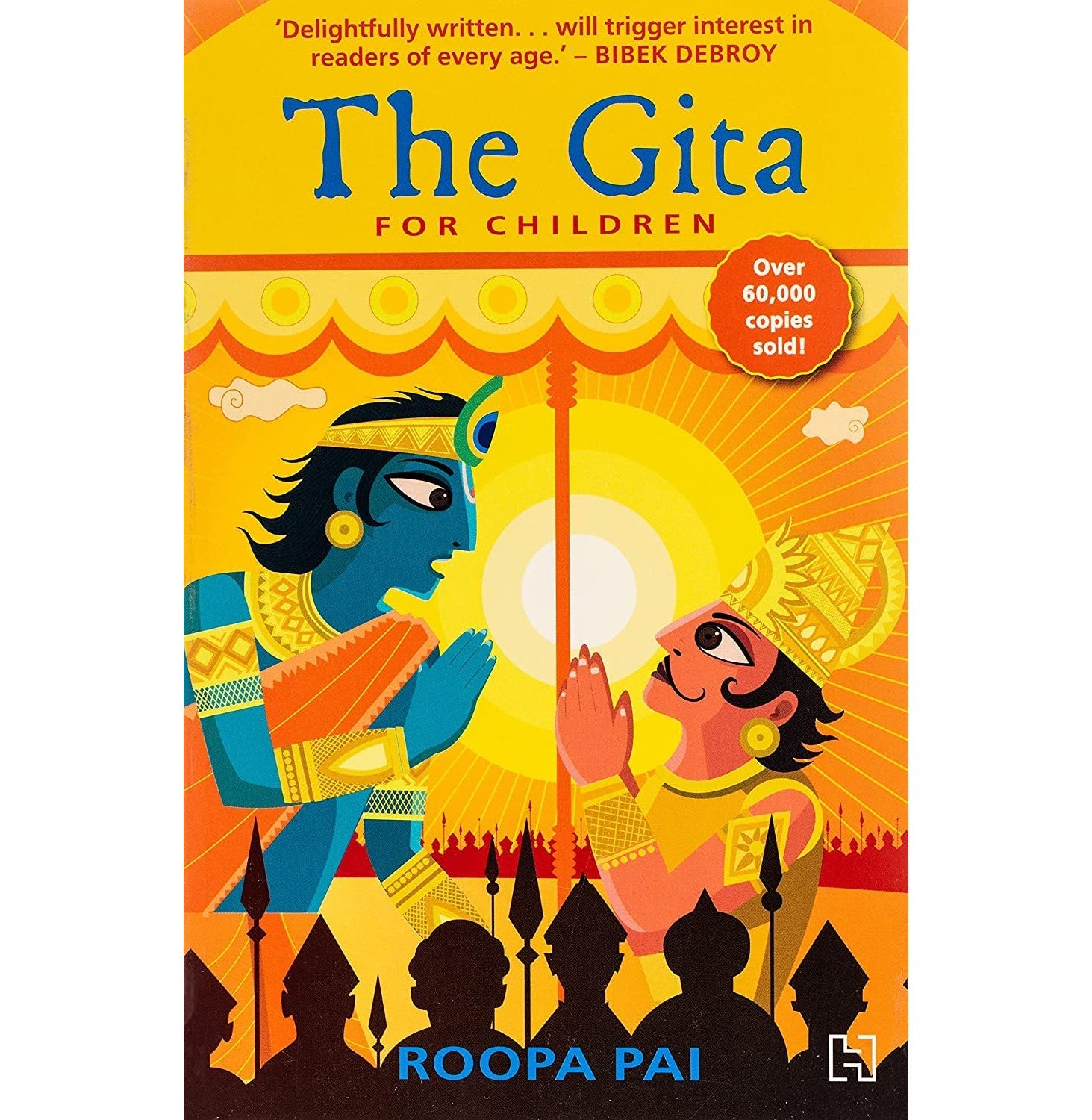
The Gita: For Children
by Roopa Pai
Makes the Bhagavad Gita's big questions about duty, choice and doing the right thing lively and easy to follow.
Ages 10–14
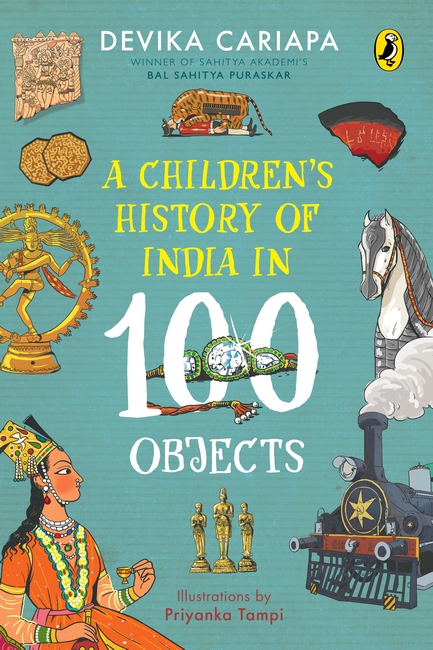
A Children's History of India in 100 Objects
by Devika Cariapa
India's history told through 100 objects, in short picture-led entries kids can dip in and out of.
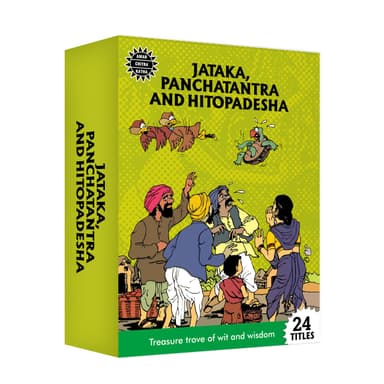
Books in Hindi, Marathi, Bengali, Tamil, Telugu and more
Alongside English, the catalogue includes books in several Indian languages. Tell the quiz which languages your child reads and how to mix them: English only, mostly English with some of another language, or mostly another language. It is a simple way for NRI families to keep a mother tongue alive through stories.
See every book in an Indian languageMore book lists for kids
Twelve picks for every age and interest, updated from our catalogue.
By interest
- Mystery books for kids
- Fantasy books for kids
- Funny books for kids
- Animal books for kids
- Adventure books for kids
- Non-fiction books for kids
- Science and space books for kids
- Sports books for kids
- Mythology books for kids
- Graphic novels for kids
- Scary books for kids
- Dinosaur books for kids
- Biographies for kids
- Books for kids who love video games
- Poetry books for kids
For every reader
- Books for reluctant readers
- Hi-lo books for kids
- Books for kids with ADHD
- Books about feelings and empathy
- Read-aloud chapter books
- Books about friendship
- Growth mindset books
- Early chapter books
- Chapter books for kids
- Books for boys
- Books for girls
- Classic books for kids
- Bedtime story books
- Indian books for kids
- Books in Indian languages
- Festival books for kids
- Books like Diary of a Wimpy Kid
- Book gifts for kids
- Books like Harry Potter
- Books like Percy Jackson
- Books like Magic Tree House
- Books like Geronimo Stilton
- Books like Dog Man
- Books like Wings of Fire
- Books like Wonder
- Books like Narnia
- Books like Warrior Cats
- Books like Keeper of the Lost Cities
- Books like The Wild Robot
- Books like The Famous Five
- Books like Roald Dahl
- Books like The Hunger Games
In Indian languages
By author
Look up a book
Age range, content ratings and similar books for every title in the catalogue.
Parents' guides, A–ZHow to choose books your child will actually read
Six simple rules, whether you are buying one book or building a home library.
Start with what they already love: A child who is mad about cricket, dinosaurs or slime will read a book about it long before a classic they "should" read. Interest does the hard work.
For fun reading, go slightly easy: Books read for pleasure should feel comfortable. Keep the harder, stretch books for reading together, where you can help with the tricky bits.
Pick the first book of a series: If book one clicks, the next one sells itself. Series like Magic Tree House, Dog Man and Percy Jackson keep children reading for months.
Comics and graphic novels count: They build vocabulary and reading stamina, and many reluctant readers start there. Amar Chitra Katha has been doing this for generations.
Mix in stories from home: Sudha Murty, Ruskin Bond, R. K. Narayan and the Panchatantra give children in India and NRI kids abroad characters and places that feel familiar.
Let them drop a book: Forcing a child through a book they dislike teaches them reading is a chore. Swap it, try a different genre, and ask what didn't work.
How we pick these books
The quiz considers your child's interests, reading comfort, favourite formats and languages, then applies age-based content limits using the catalogue's ratings for violence, scary moments, romance and language.
Age ranges are a starting point. A confident reader and a child finding their feet may enjoy different books at the same age. The featured age lists are editorial picks; your quiz list is matched to your answers.
Some avoid choices still allow brief, mild mentions. If even mild content is off-limits, say so in the extra notes about what to avoid. Check the book's parents' guide before choosing.
Browse the parents' guides to check age ranges, all four content ratings and similar books before you buy.
Content ratings checked by the Bookstaken team.
We sign off the ratings for every book in the catalogue: violence, scary moments, romance and language.
Picks on this page last reviewed .
A good book is the start. A mentor makes it stick.
In a free 1:1 session, a trained Bookstaken mentor reads with your child, asks what they think and helps the reading habit last.
- No payment details needed
- Pause anytime
- Switch mentors free