For kids 5–12
How to help your child read English
Step by step, with stories that feel like home.
The short answer
Start with stories your child already knows, such as festivals, family and Indian tales, told in simple English, then move to easy series with short sentences. Read together every day for a short time, talk about the story in whichever language comes easily, and keep reading in your home language too. A child who loves stories in one language has a head start in the other.
For children aged about 5 to 12 who speak another language at home and are learning to read in English.
The six weeks
Week 1
Familiar stories first
Diwali, grandma's stories, Tenali Raman. When they know the world, they can focus on the words.
Week 2
Simple books, read together
Short sentences and pictures that help. You read a line, they read it back.
Week 3
Talk in any language
Ask about the story in English or your home language. Understanding comes first.
Week 4
Collect new words
Three new words a week on a card on the fridge. Use them at dinner.
Week 5
A series of their own
Easy series with the same characters each time. Knowing the characters makes the next book easier.
Week 6
Keep both languages
One story a week in your home language. Reading in one language helps the other.
Books for each stage
Stories that feel like home

Ages 4–8
Amma, Tell Me About Diwali!
by Bhakti Mathur; illustrated by Maulshree Somani
Join Klaka and his brother Kiki as their mother explains the magic behind Diwali, the Hindu festival of lights. Told in lively rhyming verse, the story explores the celebrations—from lighting diyas and bursting fireworks to sharing sweets—alongside the classic legend of Prince Rama defeating Ravana and returning home. Invites readers to discover and appreciate rich storytelling traditions.

Ages 7–11
Grandma's Bag of Stories
by Sudha Murthy
When children visit their grandparents' house in Shiggaon for the summer vacation, Ajji opens her special bag of stories filled with timeless tales of kings, clever animals, magic, and moral lessons.
Ages 8–12
How I Taught My Grandmother to Read
by Sudha Murty
Sudha Murty's true stories begin with the summer she taught her grandmother to read, so that she could follow her favourite serial herself. Each story is short, warm and drawn from her life in India. Invites children to talk about learning, kindness and the stories in their own family.
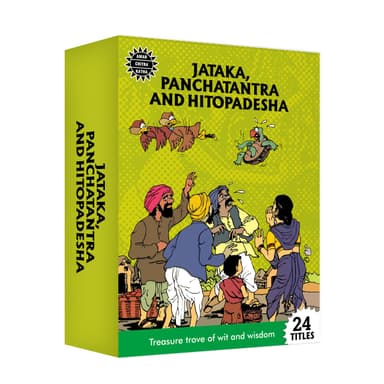
Ages 6–14
Amar Chitra Katha (series)
by Various (founded by Anant Pai)
This classic comic book series brings Indian mythology, epics, folklore, and history to life through colorful graphic storytelling. From the adventures of deities and legendary heroes to the true lives of freedom fighters and scholars, each issue offers a fast-paced, episodic look at India's rich cultural heritage. Invites thoughtful questions about the past and the world today.
Simple English, ages 5–8
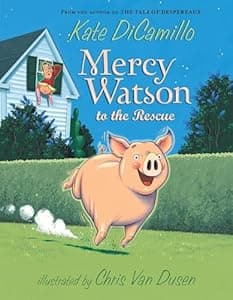
Ages 6–8
Mercy Watson
by Kate DiCamillo
Meet Mercy Watson, a pampered pig who adores hot buttered toast above all else. When her devoted human parents tuck her into bed, Mercy's hunt for a midnight snack accidentally sparks chaos, bringing the neighbours and local emergency services into a whirlwind of funny misunderstandings.
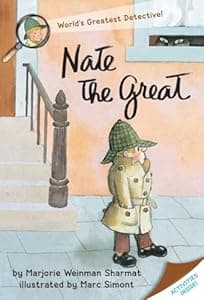
Ages 6–8
Nate the Great
by Marjorie Weinman Sharmat
Nate is a sharp young detective who loves pancakes almost as much as solving a case. When his friend Annie loses a picture she just painted of her dog, Fang, Nate puts on his trench coat and begins looking for clues. A lighthearted choice for sparking laughter and lively conversation.
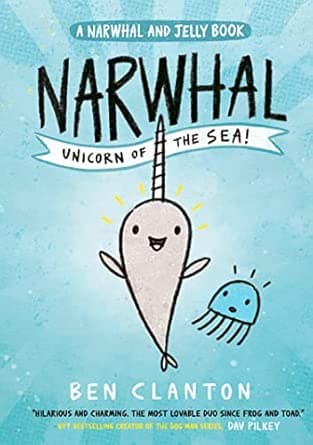
Ages 6–8
Narwhal and Jelly
by Ben Clanton
Meet happy-go-lucky Narwhal and slightly cynical Jellyfish in this delightful early graphic novel. Despite their opposite personalities, the two sea creatures bond over a shared love of waffles, imaginative make-believe, and playful underwater adventures. A lighthearted choice for sparking laughter and lively conversation.
Ages 6–8
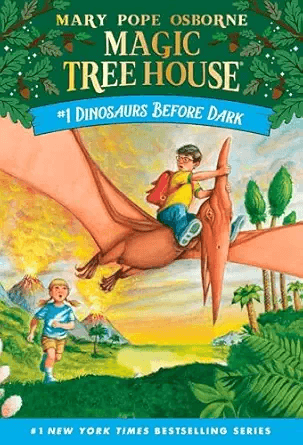
Magic Tree House
by Mary Pope Osborne
Siblings Jack and Annie discover a mysterious tree house full of books in the woods near their home. Whenever they open a book and make a wish, the magic tree house whisks them away to different times and places throughout history, from ancient lands to distant eras. Helps young readers connect with history through people and places.
The next step, ages 8–12
Ages 6–11
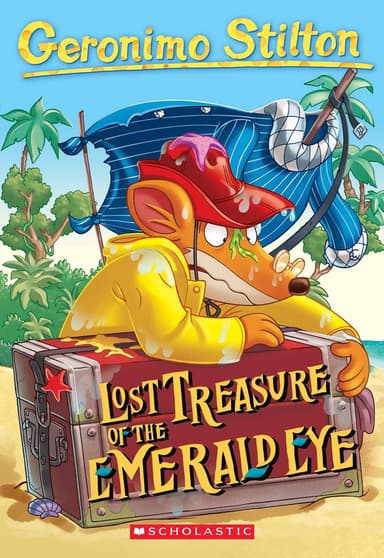
Geronimo Stilton (series)
by Geronimo Stilton (created by Elisabetta Dami)
Geronimo Stilton is a quiet, nervous mouse who runs a newspaper on New Mouse City, but his eccentric family members constantly drag him into wild adventures across the globe. From solving curious mysteries to surviving treacherous journeys, Geronimo bumbles through danger with plenty of comic mishaps. Brings a little silliness to reading time and invites shared smiles.
Ages 6–11
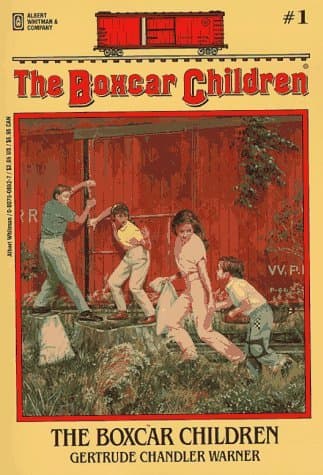
The Boxcar Children
by Gertrude Chandler Warner
Four orphaned siblings—Henry, Jessie, Violet, and Benny—run away to stay together and make a cozy home inside an abandoned train car in the woods. Using their wits and teamwork, they find creative ways to gather food, build dishes, and take care of each other. Invites heartwarming conversations about family, care, and understanding.
Ages 6–11
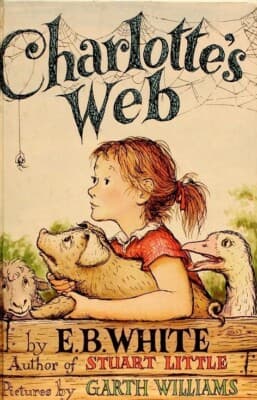
Charlotte's Web
by E.B. White
On a peaceful farm, a runt piglet named Wilbur is spared from slaughter and finds an extraordinary friend in Charlotte, a wise and caring barn spider. When Wilbur's life is threatened again, Charlotte uses her clever web-spinning to convince the farmers he is too special to lose. Invites older readers to reflect on compassion, courage, and resilience.
Ages 9–14
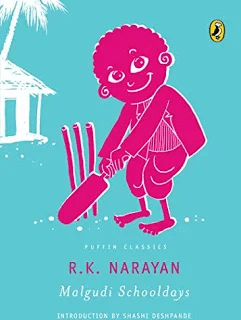
Malgudi Schooldays
by R.K. Narayan
Ten-year-old Swaminathan navigates the ups and downs of childhood in the charming fictional town of Malgudi in colonial India. Between dodging strict teachers, dreaming about cricket matches with his friends, and getting tangled in small daily rebellions, Swami finds everyday life full of drama and amusement. A lively choice for readers who enjoy movement, teamwork, and determination.
How to talk about it
- “Tell me what happened, in any language.”
- “Which new word did you like?”
- “What would this story be like in our town?”
When to ask for help
If your child is still finding letters and sounds hard after a year or more of reading English at school, talk to their teacher. Ask whether it's just the language, or something more.
What comes after phonics?A Bookbuddy reads with your child in English and talks about the story.
- Talks through a story
- Writes their own story
- Your report on WhatsApp