For kids 6–14

My child can read but doesn't understand

Reading the words and understanding them are two different skills. Here's how to build the second one.

The short answer

Reading the words and understanding them are separate skills, so a child can read fluently and still miss the meaning. First check the book isn’t too hard. Then, over six weeks, read together a little each day: picture the story, say your thinking out loud, ask "why" instead of "what", and practise retelling in a few sentences. Keep it a conversation, not a test. If they can’t follow a story even when you read it aloud, talk to their teacher.

For children aged about 6 to 14 who read the words well but can’t tell you what happened, why a character did something, or what the book was about.
The six weeks

  • Week 1

    Check the book

    Ask them to read a page from the middle aloud. If more than four or five words stop them, read that book together for now, and give them an easier one to read alone.

  • Week 2

    Find where it breaks

    Read a page aloud to them, then ask about it. If they follow it when they listen, working out the words is taking all their attention. If they don’t, work on words and talk.

  • Week 3

    The film in their head

    Every few pages, pause and ask: what does the room look like? Who is there? If they can’t say, read the describing sentence again together.

  • Week 4

    Think out loud

    As you read to them, say what you’re thinking: "I didn’t expect that." "Wait, I’ve lost track, let me read that again." Then invite them to try.

  • Week 5

    Ask why, not what

    One question after reading, with no single right answer: "Why do you think he lied?" Share your own answer, and let them disagree.

  • Week 6

    Retell in three sentences

    Use "somebody wanted, but, so, then". You sum up a chapter of your book, they sum up theirs.

Books for each stage

Short stories to retell, ages 6–8

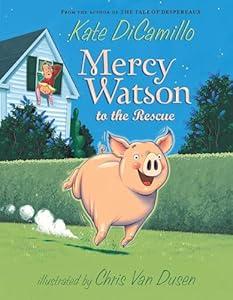
  • Cover of Mercy Watson

    Mercy Watson

    by Kate DiCamillo

    Ages 6–8

    Meet Mercy Watson, a pampered pig who adores hot buttered toast above all else. When her devoted human parents tuck her into bed, Mercy's hunt for a midnight snack accidentally sparks chaos, bringing the neighbours and local emergency services into a whirlwind of funny misunderstandings.

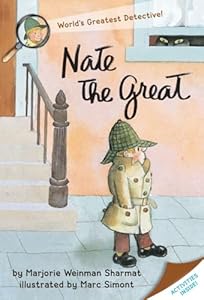
  • Cover of Nate the Great

    Nate the Great

    by Marjorie Weinman Sharmat

    Ages 6–8

    Nate is a sharp young detective who loves pancakes almost as much as solving a case. When his friend Annie loses a picture she just painted of her dog, Fang, Nate puts on his trench coat and begins looking for clues. A lighthearted choice for sparking laughter and lively conversation.

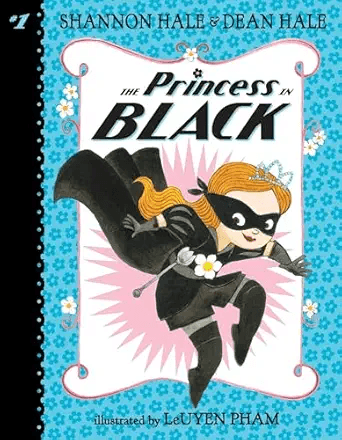
  • Princess Magnolia has a secret: whenever her monster alarm rings, she slips into disguise as the Princess in Black to battle hungry beasts and protect the kingdom's goats. Balancing proper tea parties with Duchess Wigtower and high-kicking superhero duty makes for a fast-paced, humorous adventure. A lighthearted choice for sparking laughter and lively conversation.

Mysteries that make them think, ages 8–11

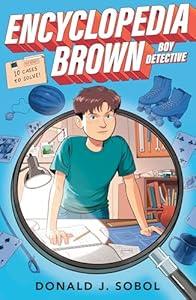
  • Ten-year-old Leroy 'Encyclopedia' Brown is the secret genius of the Idaville police department, quietly helping his police chief father solve baffling mysteries over the dinner table. During the day, he runs his own detective agency from the family garage, helping neighborhood kids crack cases and outsmart the town bully, Bugs Meany. Keeps curiosity growing as readers piece together the clues.

  • When their cousin Salim disappears from inside a sealed capsule on the London Eye, Ted and his sister Kat set out to track him down. Ted uses his unique way of thinking and sharp eye for patterns to analyze clues that others miss. Together, the siblings follow a trail of evidence across London to solve the impossible disappearance.

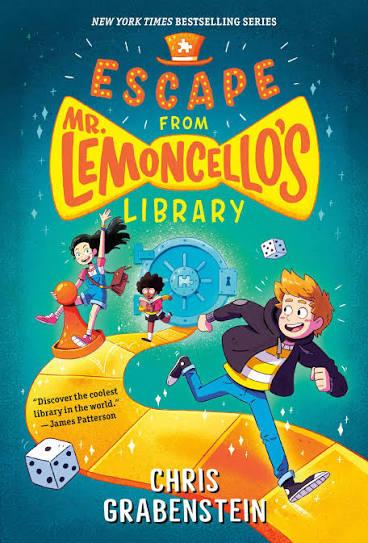
  • When game lover Kyle Keeley wins an invitation to spend the night in his town's brand-new public library, he expects a fun sleepover with games and holographic wonders. Encourages young readers to reflect on belonging and being a good friend.

  • Cover of Framed!

    Framed!

    by James Ponti

    Ages 9–14

    Twelve-year-old Florian Bates has invented TOAST—the Theory of All Small Things—a keen method of observation that lets him notice hidden details everywhere. A playful spark for creativity and storytelling beyond the page.

Books worth talking about, ages 9–14

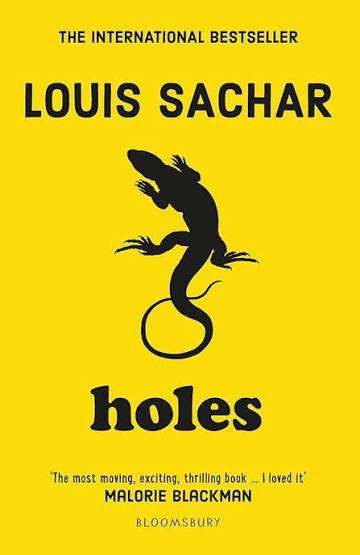
  • Cover of Holes

    Holes

    by Louis Sachar

    Ages 9–14

    Stanley Yelnats is plagued by bad luck, thanks to a curse placed on his great-great-grandfather. Sent to Camp Green Lake, a brutal juvenile detention facility in the middle of a dried-up desert lake bed, boys are forced to dig one five-foot hole every day. Offers space for thoughtful conversations about empathy and difficult choices.

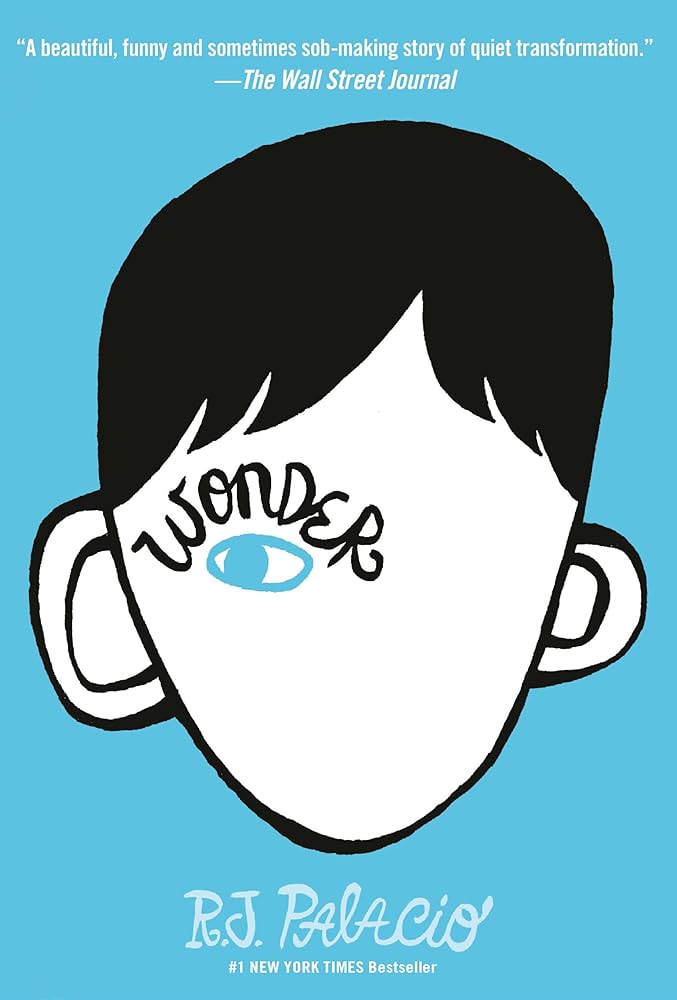
  • Cover of Wonder

    Wonder

    by R.J. Palacio

    Ages 9–14

    Ten-year-old August Pullman was born with severe facial differences that kept him out of mainstream school—until now. Entering fifth grade at Beecher Prep, Auggie wants nothing more than to be treated like an ordinary kid, but his new classmates struggle to look past his appearance. Encourages gentle, guided conversations about challenging feelings and experiences.

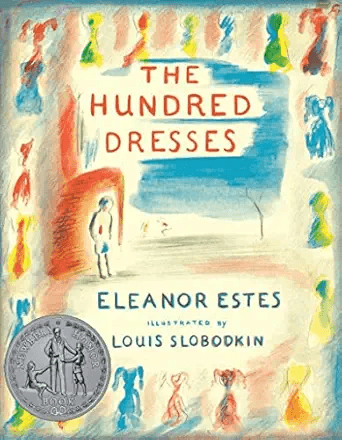
  • Wanda Petronski is a quiet Polish girl who wears the same faded blue dress to school every day, yet insists she has one hundred beautiful dresses lined up in her closet. Invites older readers to reflect on compassion, courage, and resilience.

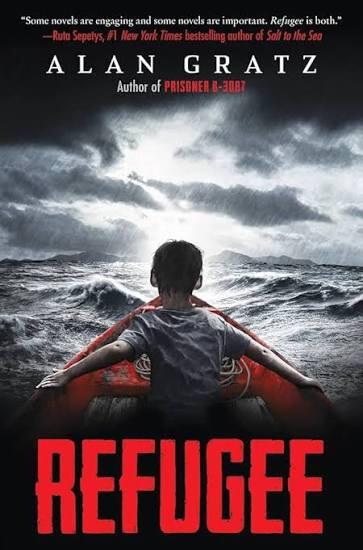
  • Cover of Refugee

    Refugee

    by Alan Gratz

    Ages 10–14

    This gripping story follows three children fleeing danger in different eras: Josef in Nazi Germany in 1938, Isabel in 1994 Cuba, and Mahmoud in 2015 Syria. Each child embarks on a perilous journey across land and sea in search of freedom and a safe place to call home. Fast-paced chapters alternate between the three viewpoints, showing immense courage amid terrifying circumstances. Readers are drawn in by the intense suspense, deep empathy, and the poignant ways the three journeys eventually intersect.

Keep exploring

Compare before you choose

How to talk about it

  • “Why do you think they did that?”
  • “What would you have done?”
  • “Tell me what happened in three sentences.”

When to ask for help

Talk to their teacher if they find stories hard to follow even when you read aloud, struggle to follow instructions or find the right word when they talk, or still read slowly and with effort after a few months of regular practice.

How to support struggling readers without pressure

Talk a book through with a reading mentor

Real sessions
  • Talks through a story
  • Writes their own story
  • Your report on WhatsApp

Questions parents ask

Q: Why can my child read but not understand?
Reading the words and understanding them are separate skills. While working out the words still takes effort, little attention is left for the meaning. If they read smoothly but still miss it, the cause is usually new words, missing background knowledge, a book that’s too hard, or not yet picturing the story.
Q: Why can’t my child summarise what they read?
Summarising means picking out what matters and leaving the rest out, and most children have to be taught it. Ask for the most important thing in one sentence, or use "somebody wanted, but, so, then".
Q: Is reading comprehension the same as reading fluency?
No. Fluency is reading accurately and smoothly. Comprehension is understanding what was read. Fluency helps, because it frees attention for the meaning, but a fluent reader can still miss it.
Q: How long does it take to improve reading comprehension?
Usually weeks to months of regular reading and talk. You’ll often notice it first in conversation: longer answers, more "because", and questions of their own.
Q: Do reading comprehension classes help?
Talking a book through with someone who isn’t a parent or teacher helps many children say more. Our reading comprehension classes are 1:1 with a trained college mentor, and the first session is free.