How to Build Reading Confidence in Children: 7 Ways to Help
Confidence with the words and confidence with ideas. How to give your child easy wins, praise that helps, and a way to read aloud without the fear.

Your child is reading aloud. They reach a long word, sound out the first letter, freeze, and look up at you. Then they guess, or close the book.
Confidence matters because it shapes how much children read. A child who thinks they're a bad reader avoids books, gets less practice and falls further behind, while confident readers read more and pull ahead. Researchers call this the Matthew effect (Stanovich, 1986). The good news is that confidence can be built, a little at a time.
In short
- Confidence comes from success, so give your child books they can read well.
- Praise effort and strategies, not cleverness.
- Let them reread favourites. It builds fluency, and it feels good.
- Take the fear out of reading aloud: read together, echo read, or read to the dog.
- Build confidence with ideas too. Ask what they think, and take the answer seriously.
- If reading stays hard, check for a reading difficulty.


Two kinds of reading confidence
Reading confidence has two sides. One is confidence with the words: reading aloud without dreading mistakes and tackling a new word without panic. The other is confidence with ideas: saying what they thought of a book, and why, even when it's different from what you think.
A struggling reader may need help with both. A keen reader who reads well can still freeze when asked for an opinion and say "I don't know". The ways below help with each.
| Low confidence often looks like… | What helps |
|---|---|
| avoiding reading aloud, or rushing and mumbling | Reading together, echo reading, a patient audience |
| guessing words from the pictures or the first letter | Books they can read well, and time to work words out |
| "I'm bad at reading" | Praise for effort, and noticing progress |
| only reading very easy books, or pretending to read hard ones | Easy wins, with harder books read aloud to them |
| "I don't know" when asked about a book | Open questions with no wrong answers |
1. Give them books they can read well
Confidence grows from success. A book your child can read smoothly, with only the odd tricky word, does more for their confidence than a harder book they battle through.
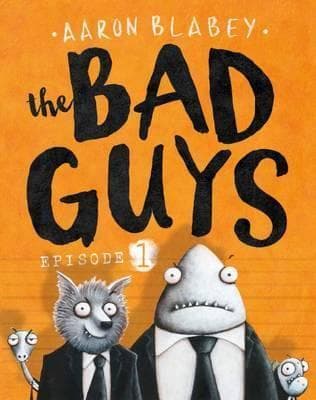
Keep the books they read alone easy enough to enjoy, and read harder, more exciting ones aloud to them. If your child is older but still finding reading hard, look for hi-lo books (high interest, low reading level) and graphic novels: grown-up stories without the struggle. Our guide to whether a book is too easy or too hard explains how to check.
2. Praise effort and strategies, not cleverness
In a well-known series of experiments, children praised for being clever were more likely to avoid challenges, and did worse after a setback, than children praised for their effort (Mueller & Dweck, 1998).
| Instead of | Try |
|---|---|
| "You're so clever!" | "You worked that word out by splitting it up." |
| "No, that's wrong." | "Does that make sense? Have another look." |
| "Hurry up." | "Take your time." |
| "That's a baby book." | "You read that so smoothly." |
| "Good job." | "I liked how you went back and fixed that." |
For the exact words to use when your child says "I can't", see our growth mindset phrases for frustrated kids.
3. Let them reread
Reading the same book again feels like a step backwards to many parents, but it's one of the best ways to build fluency. Reading a passage several times, with feedback from an adult, improves word reading, fluency and comprehension (National Reading Panel, 2000).
Let your child reread favourites as often as they like. The first time they may stumble; by the third, they read smoothly, with expression, and feel like a reader.
4. Take the fear out of reading aloud
- Share the reading. You read a page, they read a page. Or they read one character's lines.
- Echo read. You read a sentence, then they read the same sentence back, copying your pace and expression.
- Read in unison. Read the same lines together, your voice just ahead of theirs, so they can lean on it.
- Wait before correcting. Let them finish the sentence; many children notice and fix their own mistakes. Step in only when a slip changes the meaning, with a gentle "Does that make sense?"
- Find a patient audience. A pet, a row of soft toys or a younger sibling won't sigh or correct them. Small studies suggest reading to a calm dog can help children relax about reading aloud, though the evidence is still limited (Hall, Gee & Mills, 2016).
Give your child room to share an idea
- Talks through a story
- Writes their own story
- Your report on WhatsApp
5. Keep stories coming by ear
Children can usually understand much harder stories by listening than they can read alone. Read-alouds and audiobooks let a child who is still building their reading enjoy stories at their own age level, keep their vocabulary growing, and remember why books are worth the effort.
6. Build confidence with ideas
A confident reader doesn't just read the words; they have something to say about them.
- Ask open questions with no wrong answers: "Who would you want as a friend in this book?" "Was the ending fair?"
- Share your opinion first if they're stuck, then ask whether they agree.
- Let them disagree with you, and ask them to explain why.
- Ask for a verdict: stars out of five, and one reason.
- Invite them to retell or rewrite the story, with a different ending or a new character.
Every time an answer is taken seriously, it gets easier to give the next one.
Try a character-choice conversation
Choose a familiar scene and ask which character your child would like to meet. Share your choice, then invite them to finish: “I would choose ___ because ___.”
- Give them time. They can point to a picture or a detail before explaining.
- Notice something specific: “You showed me the part that made you think that.”
Listen to their reason and let them disagree with your choice. The conversation can end there.
7. Notice progress
- Keep a list of the books they've finished, and look back at it together.
- Reread an old book from a few months ago, so they can hear how much smoother they've become.
- Never compare them with a sibling or a classmate. The only comparison that helps is with themselves.
When it's more than confidence
Sometimes low confidence is a sign that reading itself is hard. Talk to your child's teacher if they read much more slowly than classmates, still guess words from the first letter or the pictures, spell far below their reading level, or have a parent or sibling with dyslexia. An eye test is worth doing too. Our guide to supporting a struggling reader covers what to check and how to help at home.
Someone to read with who isn't grading them
Many children find it easier to read aloud, and to say what they really think, with someone who isn't a parent or a teacher.
This is what our 1:1 online reading classes are built around. Every session, your child reads a real book picked for their interests, talks it through with a trained college mentor, gives their own verdict and writes their own story. For ages 6–14; the first session is free.
Frequently asked questions
How can I tell if my child lacks reading confidence?
Common signs are avoiding reading aloud, guessing words instead of working them out, saying "I'm bad at reading", choosing only very easy books, and answering "I don't know" when asked about a book.
Should I correct my child's mistakes when they read aloud?
Not every one. Let them finish the sentence, since many children notice and fix their own mistakes. If a slip changes the meaning, ask "Does that make sense?" rather than giving the word straight away.
My child only reads easy books. Should I push harder ones?
No. Easy books build fluency and confidence, which is what makes harder books possible later. Read more challenging books aloud alongside them, and offer a slightly harder one when they're ready.
Does reading to a dog really help?
It can help some children relax about reading aloud, though the research is still limited. Any patient audience works: a pet, soft toys or a younger sibling.
My child reads well but won't talk about books. How can I help?
Start with easy, opinion-based questions, share your own view first, and accept short answers. "I liked it" can become "I liked it because…" with a little practice and no pressure.
How long does it take to build reading confidence?
Usually weeks of small successes rather than one breakthrough. Keep the books manageable, the praise specific and the reading relaxed, and confidence tends to follow.
More guides on this topic: Reading habits and confidence
Latest Articles
Similar Articles
Want Your Child to Experience Books More Deeply?
Bookstaken pairs kids with caring mentors who turn reading into engaging conversations, inspiring them to eventually write their own stories.
Responses
No responses yet. Be the first to share your thoughts.
Love books yourself? Get paid to read with kids as a Bookbuddy
