Bookstaken
Bookstaken
JourneyBook RecommendationsPricing
Become a Bookbuddy
JourneyBook Recommendations
Free Trial

How to Improve Your Child's Vocabulary: 7 Everyday Ways

Most new words come from books and talk, not lists.
By Bookstaken14 November 20262 min read
How to Improve Your Child's Vocabulary: 7 Everyday Ways

Children learn most new words from reading and from talking, not from word lists. Read with them every day, choose books a little above what they'd say out loud, and talk about the words you meet. Use new words at home so they hear them again. A few minutes a day adds up.

In this article

  • 1. Read every day, and read widely
  • 2. Read aloud, even to older children
  • 3. Stop and talk about words
  • 4. Collect words
  • 5. Talk about the story
  • 6. Play with words
  • 7. Let them write back
  • If English isn't your home language
  • Questions parents ask

1. Read every day, and read widely

Stories, comics, non-fiction, poems. Each kind of book brings different words. A child who reads about space learns words a story never uses.
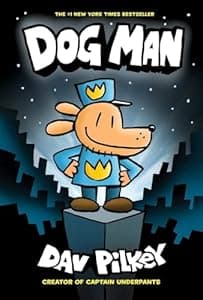
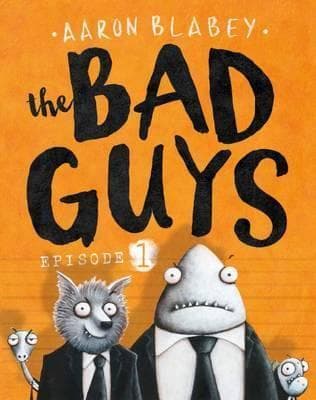
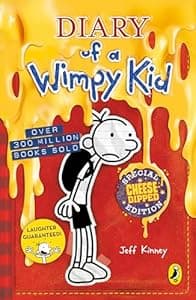
Find 7 books picked for your child

Free · quick questions

Start the book hunt

A free 1:1 reading session

No payment details needed

Book their free session

2. Read aloud, even to older children

Books read aloud can be harder than the ones they read alone, so they hear words they wouldn't meet yet. See How to read aloud to your child.

3. Stop and talk about words

When a new word comes up, don't explain straight away. Ask: "What do you think it means?" Then check together.

4. Collect words

Three new words a week on the fridge. Try to use each one at dinner. Small wins count.

5. Talk about the story

Ask questions that need longer answers: "Why did she do that?" "How would you feel?" Talking is where new words get used.

A Bookbuddy talks about books with your child, one new word at a time.

Real sessions
  • Talks through a story
  • Writes their own story
  • Your report on WhatsApp
Book their free session

No payment details needed

See 1:1 book discussions →

6. Play with words

Word games, rhymes, and "think of another way to say it". Ask for a better word than "nice" or "good".

7. Let them write back

A letter to a character or a new ending. Writing makes them choose words.

If English isn't your home language

Keep talking and reading in your home language too. A child with a strong first language has more words to link English to. See How to help your child read English.

Questions parents ask

How can I increase my child's vocabulary fast?

There's no quick fix. Daily reading and talking about what they read work best. Read aloud from books a little above their level, and use new words at home.

Do word lists help?

A little, if the words come from what they're reading. Words they meet in a story they care about stick better than words from a list.

What books help build vocabulary?

Books with rich language that they still enjoy: classics such as Charlotte's Web, funny books such as The BFG, and non-fiction about what they love.

Find books your child will actually read

Book lists by age and interest for kids aged 6–14, every book checked for age-appropriate content.

  • Best books for 7 year olds
  • Best books for 10 year olds
  • Best books for 12 year olds

Want a list made for your child? Take the free 2-minute book quiz and get seven books matched to their age and interests.

how to improve children's vocabularyhow to increase vocabulary of a childhow to improve vocabulary in english for kidsvocabulary building for kidshow to build vocabulary in childrennew words for kidsword games for kidsreading aloud and vocabularybooks that build vocabularyenglish vocabulary for kids in india1:1 book discussions for kidsbookstaken blogs

Latest Articles

How to Improve Your Child's Spelling: What Helps (and What Doesn't)

2 min

How to Read Aloud to Your Child (and Why It Still Matters at 10)

2 min

Similar Articles

How to Check if a Book Is Age Appropriate for Your Child

3 min

Book or Film First? How to Decide With Your Child

3 min

Mentor Reader

Want Your Child to Experience Books More Deeply?

Bookstaken pairs kids with caring mentors who turn reading into engaging conversations, inspiring them to eventually write their own stories.

Responses

No responses yet. Be the first to share your thoughts.

Love books yourself? Get paid to read with kids as a Bookbuddy

Bookstaken Logo

We are building the generation that reads the fine print, questions the narrative, and writes their own future. One chapter at a time.

The Path

  • The Curriculum
  • Outcomes
  • Meet the Mentors
  • Online Reading Tutor
  • Reading Comprehension Classes
  • Creative Writing Classes
  • Communication Skills Classes
  • Book Discussions for Kids
  • Reading Tutor from India
  • Reading Tutor Cost Guide
  • What Comes After Phonics?
  • Help Your Child Write a Book
  • Story Ideas for Kids
  • Best Online Reading Programs
  • Blogs
  • Success Stories
  • Pricing & Plans
  • Experience

Book Lists

  • Free Book Recommendations
  • Parents' Guides A–Z
  • Indian Books for Kids
  • Books for Reluctant Readers
  • Sudha Murty Books
  • Winter Break Reading Plan
  • Summer Reading Plan
  • Graphic Novels to Chapter Books
  • Books for Advanced Readers
  • Reading Help by Age

The Club

  • About the Founders
  • Become a BookbuddyBecome a Bookbuddy
  • Join Parent Community

Here for You

  • Talk to a Founder
  • Parents' Guide
  • Contact Us

Privacy and Terms

  • Privacy Policy
  • Terms of Service
  • Happiness Guarantee (Refund Policy)
  • Cookie Policy

#Made with for kids

© 2026 Bookstaken Pvt. Ltd. All Rights Reserved.

Books they won't put downBooks they won't put downFree list, picked just for themFree list, picked just for them
Get NowGet Now
Bookstaken