Why Your Child Doesn't Like Reading, and What Actually Helps
What "I don't like reading" usually means, why so many children stop around nine or ten, and a step-by-step way back to books.

"I don't like reading" is one of the hardest things a parent can hear, especially from a child who loved bedtime stories. But it rarely means what it sounds like.
Most children who say it still love stories: films, games with a plot, a good tale told at dinner. What they don't like is how reading has felt so far. That can change.
In short
- "I don't like reading" usually means "reading hasn't worked for me yet": the wrong books, too much effort, or too much pressure.
- Many children stop reading for fun around nine or ten, just as books get longer and school reading takes over.
- Check it isn't a reading difficulty. If the words themselves are hard work, motivation alone won't fix it.
- Start from what they love, with books they can finish and no tests attached.
- Talking about books brings many children back faster than reading alone.
What "I don't like reading" usually means
| What they say | What it often means | What to try |
|---|---|---|
| "It's boring." | The book doesn't fit what they care about, or it's too hard to enjoy. | A book about something they already love. Comics count. |
| "I'm tired." | Reading the words still takes real effort. | Take turns, a page each, or try an audiobook. |
| "Do I have to?" | Reading has turned into homework. | Drop the timer and the questions at home. |
| "Can I just watch something?" | Screens are easier, and always nearby. | Reading before screens, and books where the screens are. |
| "I'm not a reader." | Too many bad experiences with books. | Short, easy books they can finish quickly. |
Why children often stop reading around nine or ten
In a large US survey, 57% of eight-year-olds read books for fun five to seven days a week, but only 35% of nine-year-olds did (Scholastic Kids & Family Reading Report, 2019). Several things change at once:
- Books get harder. Picture books give way to long chapter books with few illustrations, and the jump can feel too big.
- Reading becomes schoolwork. Comprehension passages, reading logs and tests start to define what reading is.
- Screens get more interesting, and many children get their own device around this age.
- Friends matter more. If no one around them reads, books can start to feel like something for little kids.
What helps: keep reading aloud to them even at ten, find a series they can binge, let them read "easy" books without comment, and give reading a social side, like swapping recommendations with a cousin or a friend.
It's worth the effort. In a long-running UK study of about 6,000 children, those who read for pleasure at 10 and at 16 made more progress in vocabulary, spelling and maths between those ages than those who rarely did (Sullivan & Brown, UCL Institute of Education, 2013).
Could it be a reading difficulty?
Sometimes "I don't like reading" means "reading is hard for me." Talk to their teacher if your child:
- reads much more slowly than classmates,
- guesses words from the first letter or the pictures,
- avoids reading aloud, or gets upset when asked to,
- spells far below their reading level, or
- has a parent or sibling with dyslexia.
An eye test is worth doing too. If reading is hard work, the right support matters more than any motivation trick, and our guide to reading programs covers where to find it.
Try reading with a mentor who follows their interests
- Talks through a story
- Writes their own story
- Your report on WhatsApp
How to bring a child back to books
- Take the pressure off for a while. At home, drop the timers, logs and quizzes for a couple of weeks. Keep reading aloud.
- Bring stories back without the effort: bedtime reading, audiobooks in the car, stories told at dinner.
- Start from what they love. Watch what they talk about and rewatch: football, space, animals, mysteries. Our free book hunt suggests books matched to your child's interests.
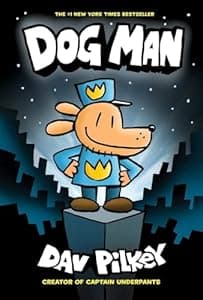
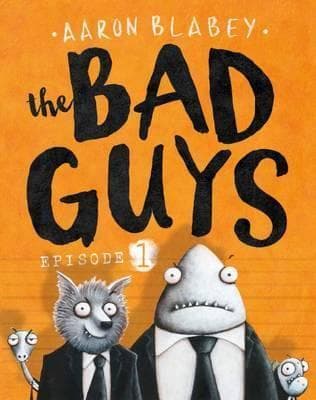
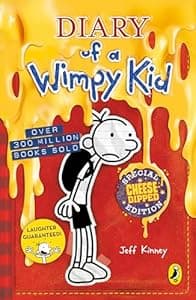
- Use bridge books. Graphic novels, illustrated chapter books, joke books and non-fiction about their favourite thing are all real reading.
- Aim for easy wins. A short book they finish does more than a long one they abandon. A series keeps them coming back.
- Let them stop a book they don't like. Adults do. Picking the next one is part of becoming a reader.
- Talk, don't test. Swap "What happened in chapter three?" for "Who would you want as a friend in this book?"
- Keep a small routine. Ten minutes at the same time every day, growing as they get into it.
Expect it to take weeks, not days. The turning point is usually one book they can't put down, so keep looking for it.
Try a two-book choice
Put two manageable options side by side: a funny comic and a short story about something your child enjoys. Ask, “Which would you like us to look at together?”
- Let them choose, then share a small section. They can point out something funny, surprising or confusing.
- Ask what they would like more of in their next book, and use that as your next clue.
For starting points, explore our books for reluctant readers.
Comics are a good way back: see do graphic novels count as reading?, and our hi-lo books for older children who find reading hard.
Keen and reluctant readers both want someone to talk to
A book means more when there's someone to talk it over with. Questions like "Why do you think she did that?" or "Was the ending fair?" turn reading into something they take part in, not something done to them.
This is what our 1:1 online reading classes are built around. Every session, your child reads a real book picked for their interests, talks it through with a trained college mentor, gives their own verdict and writes their own story. For ages 6–14; the first session is free.
Frequently asked questions
My child loved books when they were little. Why have they stopped?
It's very common around eight to ten, when books get harder, school reading takes over and screens compete for free time. Keep reading aloud, and look for a series or a topic that pulls them in.
Should I make my child read every day?
A short daily routine helps, but forcing it usually backfires. Make it ten minutes they look forward to, with a book they chose, rather than a rule they have to obey.
Are comics and graphic novels real reading?
Yes. Children still read the words and follow a story, and many go on to longer books once they're hooked.
Is it okay to let my child quit a book halfway?
Yes. Finishing a book they dislike teaches them that reading is a chore. Help them pick the next one.
My child only rereads the same book. Is that a problem?
No. Rereading builds fluency and confidence, and a favourite book feels safe. Offer something similar alongside it, like the next in the series or the same author.
Will my child grow out of disliking reading?
Many do, especially once they find the right book. The chances are better if reading stays relaxed and books stay within easy reach in the meantime.
More guides on this topic: Reading habits and confidence
Latest Articles
Similar Articles
Want Your Child to Experience Books More Deeply?
Bookstaken pairs kids with caring mentors who turn reading into engaging conversations, inspiring them to eventually write their own stories.
Responses
No responses yet. Be the first to share your thoughts.
Love books yourself? Get paid to read with kids as a Bookbuddy
