For kids 6–14
How to help a child with dyslexia enjoy books
Keep the stories big while the reading catches up.
The short answer
A child with dyslexia needs specialist reading teaching, which comes from their school or a trained specialist. Alongside it, your job at home is to keep stories enjoyable. Read aloud books at their thinking level, use audiobooks, and give them books to read alone that are easy to read but feel right for their age, such as graphic novels and hi-lo books. Talk about the stories. Their ideas don't have to wait for their reading.
For children aged about 6 to 14 who have dyslexia, or whose parents think they might.
We're reading mentors, not dyslexia specialists. If you think your child has dyslexia, ask their school about an assessment.
The six weeks
Week 1
Talk to the school
Ask what support they offer and what you can do at home that matches it.
Week 2
Read aloud at their thinking level
Choose books they'd love but can't yet read alone. You read; they enjoy the story.
Week 3
Add audiobooks
They listen and follow the words if they want to. Listening is still taking in the story.
Week 4
Easy to read, not babyish
Graphic novels and hi-lo books: stories for their age with plainer sentences, shorter chapters and more pictures.
Week 5
Short reading alone, with praise for effort
A page or two, then you take over. Praise trying, not speed.
Week 6
Talk about the story
Their opinions, predictions and favourite characters. This is where they can shine.
Books for each stage
To read together
Percy Jackson has dyslexia too, and in the story it comes with a hidden strength.
Ages 6–11
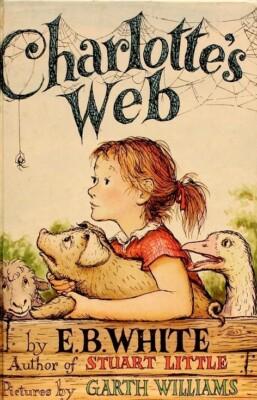
Charlotte's Web
by E.B. White
On a peaceful farm, a runt piglet named Wilbur is spared from slaughter and finds an extraordinary friend in Charlotte, a wise and caring barn spider. When Wilbur's life is threatened again, Charlotte uses her clever web-spinning to convince the farmers he is too special to lose. Invites older readers to reflect on compassion, courage, and resilience.
Ages 6–11
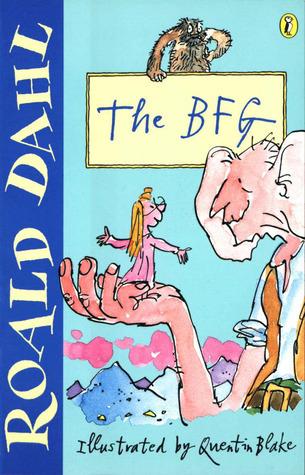
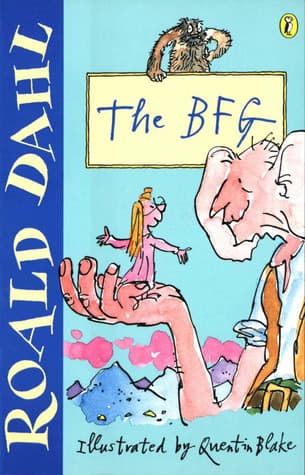
The BFG
by Roald Dahl
When young Sophie is snatched from her orphanage bed by a twenty-four-foot giant, she expects to be eaten. Instead, she discovers he is the Big Friendly Giant, a gentle soul who collects sweet dreams and blows them into children's bedrooms. A lovely invitation to stretch the imagination and dream up new worlds.
Ages 9–14
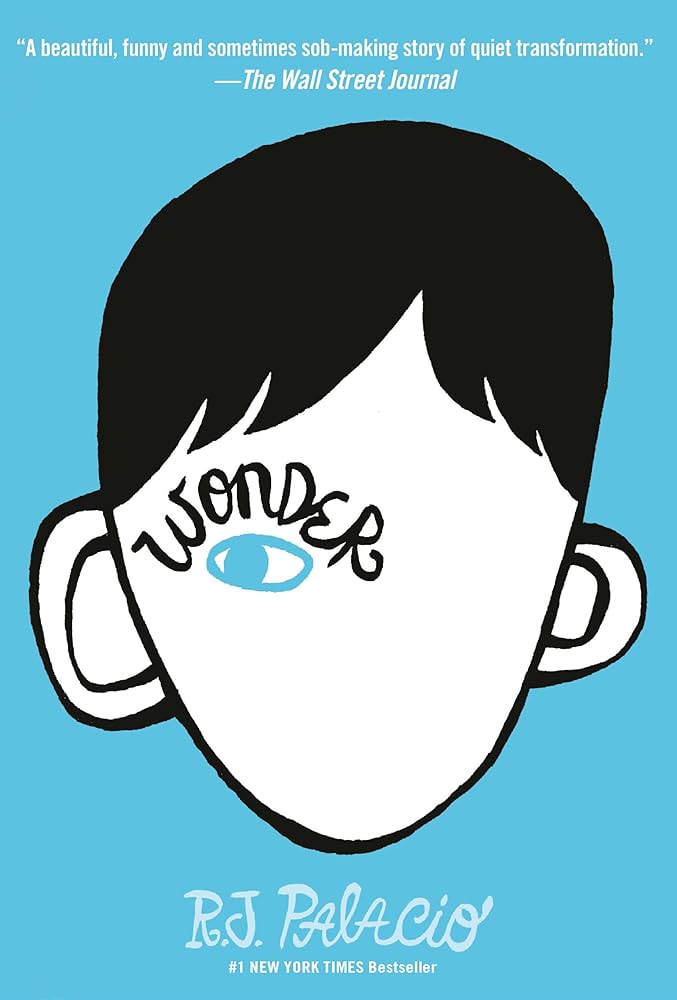
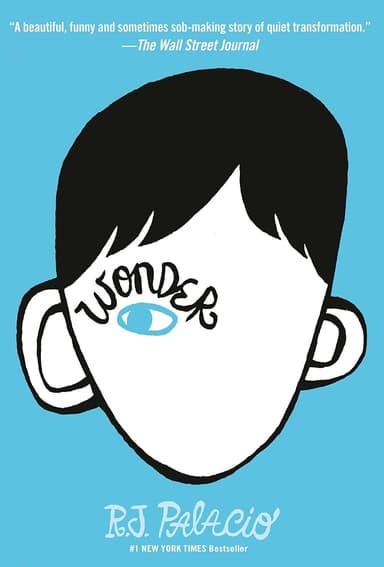
Wonder
by R.J. Palacio
Ten-year-old August Pullman was born with severe facial differences that kept him out of mainstream school—until now. Entering fifth grade at Beecher Prep, Auggie wants nothing more than to be treated like an ordinary kid, but his new classmates struggle to look past his appearance. Encourages gentle, guided conversations about challenging feelings and experiences.
Ages 9–14
Percy Jackson and the Olympians
by Rick Riordan
Percy Jackson is a twelve-year-old boy who discovers he is actually a demigod, the son of the Greek god Poseidon. After being accused of stealing Zeus's master lightning bolt, he must journey across modern-day America to find the real thief and prevent a war among the gods. Invites readers to discover and appreciate rich storytelling traditions.
Easy to read, ages 6–9
Ages 6–11
Dog Man
by Dav Pilkey
When a police officer and his loyal police dog are injured on the job, a life-saving surgery creates Dog Man—part dog, part policeman, and wholly dedicated to justice. While struggling with doggy habits like chasing balls, he must protect the city from the scheming villain Petey the Cat. Its playful humor makes reading aloud and sharing a laugh enjoyable.
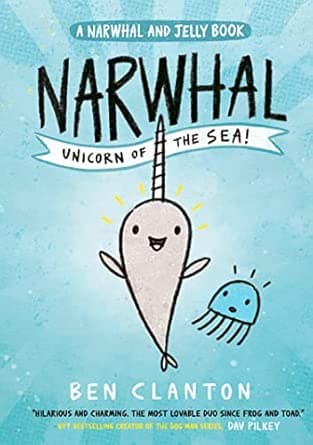
Ages 6–8
Narwhal and Jelly
by Ben Clanton
Meet happy-go-lucky Narwhal and slightly cynical Jellyfish in this delightful early graphic novel. Despite their opposite personalities, the two sea creatures bond over a shared love of waffles, imaginative make-believe, and playful underwater adventures. A lighthearted choice for sparking laughter and lively conversation.
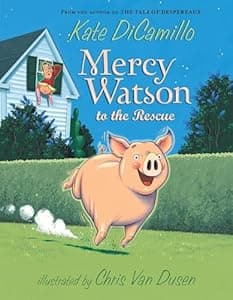
Ages 6–8
Mercy Watson
by Kate DiCamillo
Meet Mercy Watson, a pampered pig who adores hot buttered toast above all else. When her devoted human parents tuck her into bed, Mercy's hunt for a midnight snack accidentally sparks chaos, bringing the neighbours and local emergency services into a whirlwind of funny misunderstandings.
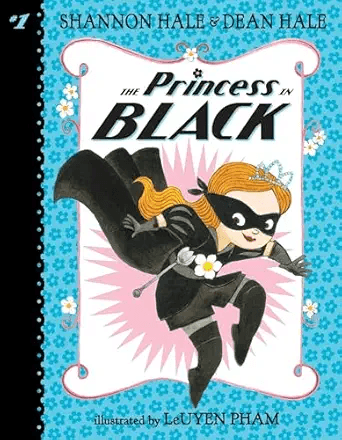
Ages 6–8
The Princess in Black
by Shannon Hale
Princess Magnolia has a secret: whenever her monster alarm rings, she slips into disguise as the Princess in Black to battle hungry beasts and protect the kingdom's goats. Balancing proper tea parties with Duchess Wigtower and high-kicking superhero duty makes for a fast-paced, humorous adventure. A lighthearted choice for sparking laughter and lively conversation.
Easy to read, ages 9–14
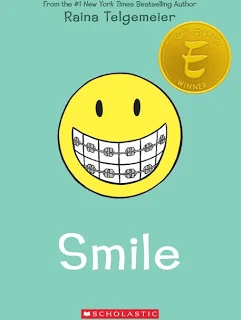
Ages 9–14
Smile
by Raina Telgemeier
In sixth grade, Raina trips and severely injures her two front teeth, kicking off an arduous multi-year saga of braces, surgery, and headgear. Alongside her dental troubles, she has to navigate middle school social drama, shifting friendships, and her first crushes. Offers space for thoughtful conversations about empathy and difficult choices.
Ages 10–14
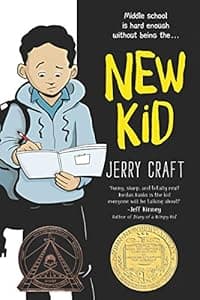
New Kid
by Jerry Craft
Seventh-grader Jordan Banks loves drawing cartoons and dreams of art school, but his parents enroll him in an elite, academically rigorous private academy where he is one of the few kids of colour. Offers space for thoughtful conversations about empathy and difficult choices.
Ages 9–11
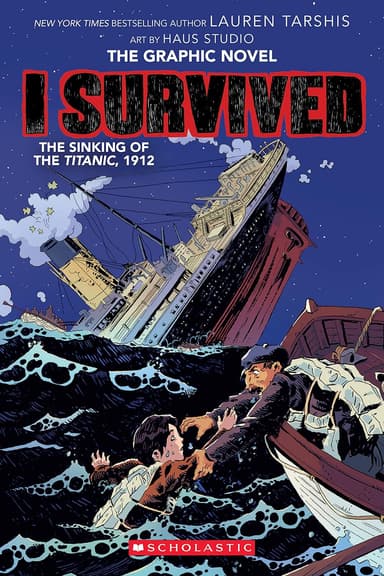
I Survived (series)
by Lauren Tarshis
This popular series follows fictional young characters as they live through some of the most terrifying events in world history, from natural disasters like volcanic eruptions and earthquakes to historical battles and shipwrecks. Encourages gentle, guided conversations about challenging feelings and experiences.

Ages 9–14
Who Was...? (series)
by Who HQ (various authors)
This popular biography series introduces young readers to notable figures from history, science, the arts, and popular culture. Each book traces a subject's life from childhood through their major achievements and the challenges they faced along the way. A friendly starting point for exploring science through everyday questions.
How to talk about it
- “What do you think the character should do?”
- “What would you change about the ending?”
- “Tell me the story so far, like a film trailer.”
When to ask for help
If your child is falling behind, gets upset about reading, or the gap is growing, go back to the school or a qualified specialist. Don't wait for them to grow out of it.
How to support struggling readers without pressureA Bookbuddy reads and talks about books with your child, alongside any specialist help.
- Talks through a story
- Writes their own story
- Your report on WhatsApp