At What Age Should Children Start Reading Books? (A Parent’s Guide to Early Reading)
Wondering when kids should start reading? Learn typical reading milestones by age and how to support early literacy without pressure or comparison.

A Question Many Parents Worry About
Parents often wonder:
- When should my child start reading?
- Is my child late if they aren’t reading yet?
- Should a 3-year-old already recognize words?
With so many early learning programs and social media discussions about “advanced readers,” it’s easy for parents to feel anxious about reading milestones.
However, research in child development shows that reading is a gradual process that begins long before a child can decode words (Snow, Burns & Griffin, 1998).
Children do not suddenly learn to read at one specific age. Instead, they move through several stages of language exposure, storytelling, and early literacy skills.
Understanding these stages can help parents support reading development without unnecessary pressure.
The goal is not to rush reading. The goal is to build curiosity and comfort with books.
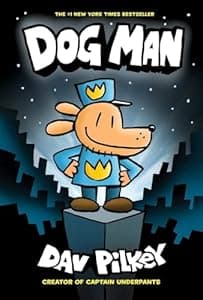
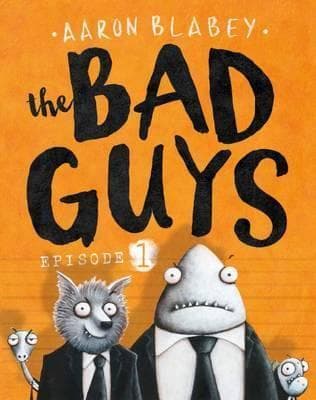
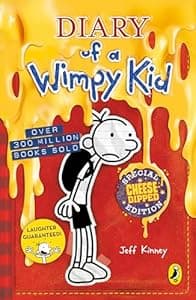
Reading Actually Begins Before Children Can Read
Many people assume reading begins when a child starts recognizing words.
In reality, reading development begins much earlier.
Even babies benefit from hearing stories and interacting with books.
The American Academy of Pediatrics recommends reading aloud to children from infancy, because early experiences with language and books lay the groundwork for later reading (American Academy of Pediatrics, 2014).
When children hear stories, they begin learning:
- how language sounds
- how stories work
- how pictures connect to words
- how books are structured
These early experiences create the foundation for future reading skills.
Reading to a child is different from teaching them to read
You can share books from infancy, before a child recognises letters. The American Academy of Pediatrics recommends shared reading from birth. Looking at pictures, talking and enjoying the story together are all ways to begin.
Reading words independently is a separate skill that develops with instruction and practice. The age stages below are broad guides, not deadlines. You do not need to turn story time into a lesson.
If reading words remains difficult or you are concerned about progress, speak with your child’s teacher. Our struggling-reader guide explains what to notice and when to ask for further support.
Reading Development Stages by Age
Children develop literacy gradually. The ages below represent general patterns rather than strict rules.
Every child progresses at their own pace.
Ages 0–2: Listening and Exploring Books
During infancy and toddlerhood, reading is about exposure and interaction rather than independent reading.
Children at this stage enjoy:
- colorful picture books
- books with textures or flaps
- rhythmic or repetitive stories
- pointing at pictures
Parents often notice that toddlers begin recognizing familiar characters or anticipating favorite lines.
Research shows that hearing words regularly helps build early vocabulary and language processing skills (Hart & Risley, 1995).
Even if the child does not understand every word, they are learning how language works.
At this stage, the goal is simply to make books a natural part of daily life.
Ages 3–4: Early Story Understanding
Preschool children begin to develop stronger storytelling awareness.
They may:
- remember story sequences
- ask questions about characters
- predict what might happen next
- retell parts of stories
These behaviors show that children are developing narrative comprehension, an important foundation for reading (Paris & Paris, 2003).
Children at this stage are not expected to read independently, but they are beginning to understand how stories function.
Parents can support this stage by:
- asking simple questions about stories
- encouraging children to describe pictures
- letting children turn pages and “read” familiar stories from memory
These activities strengthen storytelling skills and confidence.
Ages 5–6: Beginning to Decode Words
Many children begin learning to read simple words during early elementary school.
At this stage, children start connecting letters with sounds.
They may begin reading:
- simple sentences
- beginner readers
- short picture books
However, reading ability varies widely.
Some children read earlier, while others take more time.
Research shows that there is a wide range of normal reading development, and early reading does not always predict long-term academic outcomes (Suggate, 2012).
Parents should focus on encouragement rather than comparison.
Ages 7–8: Growing Reading Independence
By this age, many children become more comfortable reading independently.
They begin transitioning from learning to read toward reading to learn.
Books at this stage may include:
- short chapter books
- adventure stories
- humorous books
- mystery stories
Children also begin developing personal preferences for genres and characters.
Encouraging book choice at this stage is important for sustaining reading motivation.
Try reading with a mentor who follows their interests
- Talks through a story
- Writes their own story
- Your report on WhatsApp
Should Parents Teach Reading Early?
Some parents feel pressure to teach reading very early.
However, research suggests that very early reading lessons give no lasting advantage: children who start formal reading later tend to catch up (Suggate, 2012). Pushing a child who isn't ready can also take the fun out of books.
Instead of focusing on early decoding skills, experts recommend focusing on:
- storytelling
- vocabulary exposure
- conversation
- playful reading activities
Children who develop strong language skills often learn to read more easily when formal instruction begins.
The Importance of Reading Aloud
One of the most powerful things parents can do is read aloud to children regularly.
Reading aloud provides several benefits:
- exposes children to richer vocabulary
- improves listening comprehension
- strengthens emotional connection
- builds storytelling understanding
Research from the American Academy of Pediatrics shows that reading aloud supports brain development related to language and literacy (AAP, 2014).
Even older children benefit from occasional shared reading.
Signs That a Child Is Developing Healthy Reading Skills
Parents do not need to track every milestone.
Instead, look for positive indicators such as:
- curiosity about books
- asking questions about stories
- pretending to read
- recognizing some letters or words
- enjoying listening to stories
These behaviors show that the child is developing early literacy interest.
Interest and curiosity matter as much as early skills: children who enjoy books read more, and reading more builds skill.
What If My Child Is Not Reading Yet?
Parents sometimes worry when their child seems slower than peers.
However, children develop reading skills at different speeds.
Some strong readers start later but quickly catch up.
Research indicates that reading development varies widely without necessarily indicating long-term difficulties (Snow et al., 1998).
If parents are concerned, they can support development by:
- reading aloud daily
- encouraging storytelling
- playing word games
- creating positive reading routines
The most important factor is maintaining a stress-free environment around books.
Why Early Reading Exposure Matters
Even though children learn to read at different ages, early exposure to books has lasting benefits.
Studies show that children who grow up in book-rich environments tend to develop:
- stronger vocabulary
- better comprehension skills
- improved academic outcomes
A study across 27 countries found that children who grew up in homes with many books went on to complete about three more years of schooling than children from homes without books, whatever their parents' education (Evans et al., 2010).
Books expose children to ideas, language patterns, and stories that shape cognitive development.
Final Thoughts
There is no single “correct age” when children must begin reading.
Instead, reading development unfolds gradually through several stages:
- listening to stories
- exploring books
- understanding narratives
- recognizing letters and words
- developing independent reading skills
The most important role parents play is not teaching reading early.
It is creating an environment where books are associated with curiosity, comfort, and imagination.
When children grow up surrounded by stories, reading eventually becomes not just a skill — but a lifelong habit.
More guides on this topic: Reading habits and confidence
Latest Articles
Similar Articles
Want Your Child to Experience Books More Deeply?
Bookstaken pairs kids with caring mentors who turn reading into engaging conversations, inspiring them to eventually write their own stories.
Responses
No responses yet. Be the first to share your thoughts.
Love books yourself? Get paid to read with kids as a Bookbuddy
