Poetry for Kids: How to Get Your Child Into Poems
Start funny and read aloud, move on to novels in verse, find poems close to home, and write a five-line poem together tonight.
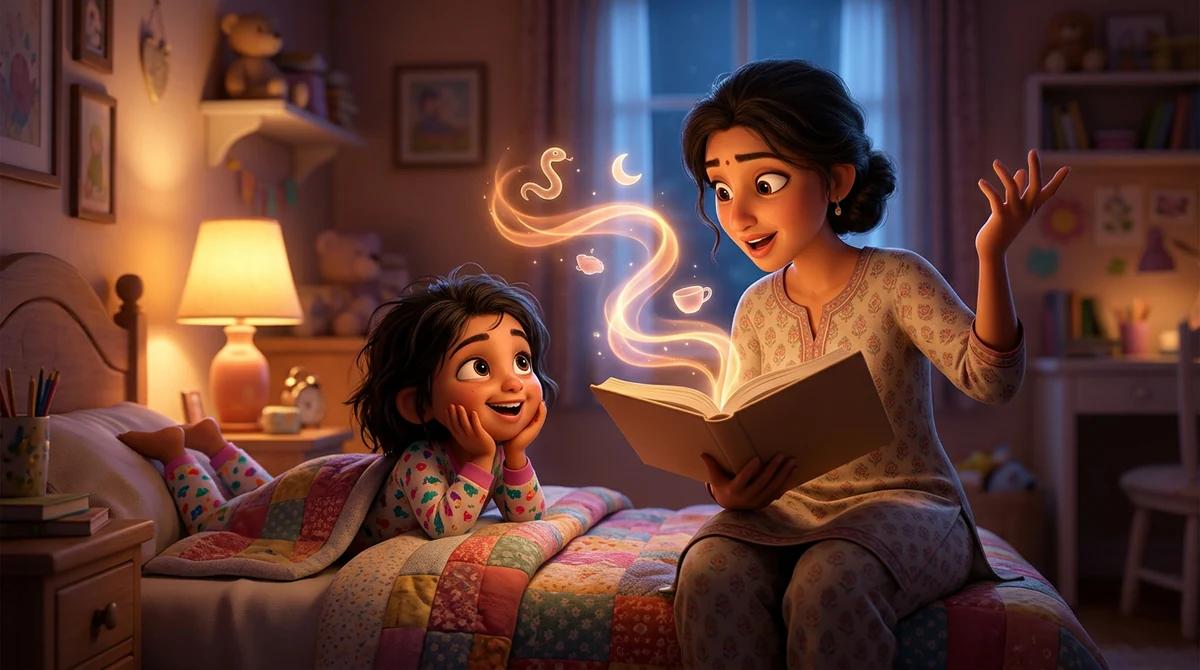
"Poems are boring."
Then you open Where the Sidewalk Ends and read the one about a boy being swallowed, bit by bit, by a boa constrictor. By the last line your seven-year-old is giggling, and asking for another.
Many children decide poetry is dull because their first poems are serious, long or set as homework. Start with the funny ones, read them aloud, and poetry becomes what it really is: short, musical, surprising and easy to love.
In short
- Start funny. Silly poems read aloud are the easiest way in.
- Poetry is for the ear first. Read it aloud, with rhythm and expression, and read it twice.
- Novels in verse tell a whole story in short poems, and they suit children who find long paragraphs hard.
- Look close to home: rhymes, songs and poems in your own languages count.
- Write one tonight. A simple five-line pattern gets any child writing a poem in minutes.
Why poetry is worth it
- It's short. A poem can be read in a minute, which makes it perfect for a tired evening or a reluctant reader.
- It plays with sound. Rhyme, rhythm and repetition make words fun to say and easy to remember.
- It's full of words. Poems use language in surprising ways, so children meet new words and new ways of using old ones.
- There's room to think. A good poem leaves space for the reader to wonder what it means.
Start funny
Funny poems win children over fast. Where the Sidewalk Ends by Shel Silverstein is a book of short, silly poems with his own line drawings; Reading Is Fundamental lists it for ages 6 to 8, though many older children love it too. Each poem takes a minute, so it's easy to dip into, and many are made to be read aloud. A Light in the Attic and Falling Up are in the same style.
Read it aloud
Poems come alive in the voice. A few habits help:
- Perform it. Use voices, pauses and a dramatic finish.
- Read it twice. The first time is for the story, the second for the sound.
- Clap the rhythm of a bouncy poem together.
- Let them choose the next poem, and read one to you.
- Learn one by heart. A short poem memorised is a poem kept for life.
For more on reading aloud, see how to read aloud to your child.
Novels in verse
A novel in verse tells a whole story through short poems. The pages have lots of white space, the chapters are quick, and the language moves fast, so they often suit children who find dense pages hard.
- The Crossover by Kwame Alexander follows twelve-year-old Josh, a basketball player, in fast, rhythmic poems. BookTrust gives it an interest age of 10 to 14 and a reading age of 9+. Josh's father has heart trouble and dies near the end, so it's moving, and worth talking about.
- Brown Girl Dreaming is Jacqueline Woodson's memoir in short poems, about growing up in the 1960s and 1970s and finding her voice as a writer. Publishers Weekly gave it ages 10 and up. It covers racism in the civil-rights era and her grandfather's illness and death.
Poems close to home
Poetry isn't only in books from abroad. Lullabies, nursery rhymes, festival songs and the rhymes grandparents remember are all poetry, and many children's first poems are in their home language. India has a rich tradition of verse for children, including Sukumar Ray's much-loved Bengali nonsense poems, Abol Tabol. Ask grandparents for the rhymes they grew up with, and write them down together.
Want a mentor to help with this?
- Talks through a story
- Writes their own story
- Your report on WhatsApp
Write a five-line poem tonight
This simple pattern works for any age. Pick a topic, then follow the lines:
- One word: the thing you're writing about.
- Two words that describe it.
- Three action words about what it does.
- A short line about how it makes you feel.
- One word: another name for it.
Here's one about the rain:
Rain Cold, quick Tapping, dripping, racing I like it best at night Sky-music
Write one together first, then let your child try their own. Pets, food, a favourite place and the weather all make good topics.
More poetry games
- List poems: "Things in my pocket", "Things that make me laugh". Each line is one item.
- "I remember" poems: every line starts with "I remember…"
- Found poems: cut words from an old magazine and arrange them into a poem.
- A poem a day: read one short poem at breakfast or bedtime for a month.
- Change the words: take a poem they know and swap in new words, keeping the rhythm.
By age
| Age | What works |
|---|---|
| 6–8 | Funny poems read aloud, nursery rhymes and songs, clapping rhythms, five-line poems together |
| 9–11 | Collections to dip into, learning a poem by heart, list poems, a first novel in verse |
| 12–14 | Novels in verse, poems about real feelings and experiences, writing their own, performing them |
Writing their own
In a Bookstaken session, your child reads a real book picked for their interests and talks it through one to one with a trained college mentor on Google Meet. Then they write a story of their own, chapter by chapter, kept in their digital story journal. Reading closely and choosing their own words are where a love of language starts, in stories and in poems.
After every session, you get a report on WhatsApp. The first 60-minute session is free. See how it works.
Questions parents ask
How do I get my child interested in poetry?
Start with funny poems and read them aloud with plenty of expression. Let your child choose the next poem, read it twice, and try writing a short poem together. Keep it playful, not like homework.
What are good poetry books for kids?
Where the Sidewalk Ends is a favourite for younger children; Reading Is Fundamental lists it for ages 6 to 8. For ages 10 and up, novels in verse such as The Crossover and Brown Girl Dreaming tell whole stories in short poems.
What is a novel in verse?
A novel told through a series of short poems instead of paragraphs. The pages have lots of white space and the language moves quickly, so they often suit children who find long pages hard.
How do I teach my child to write a poem?
Try a simple five-line pattern: one word for the topic, two describing words, three action words, a line about a feeling, and one word that names it again. Write one together first.
Why is poetry good for children?
Poems are short, playful with sound and full of interesting words, which makes them easy to enjoy and remember. They also leave room for a child to think about what a poem means.
Sources
- Reading Is Fundamental. Where the Sidewalk Ends: ages 6–8.
- BookTrust. The Crossover: interest age 10–14, reading age 9+.
- Publishers Weekly. Brown Girl Dreaming: ages 10 and up.
More guides on this topic: Focus and learning
Latest Articles
Similar Articles
Want Your Child to Experience Books More Deeply?
Bookstaken pairs kids with caring mentors who turn reading into engaging conversations, inspiring them to eventually write their own stories.
Responses
No responses yet. Be the first to share your thoughts.
Love books yourself? Get paid to read with kids as a Bookbuddy
