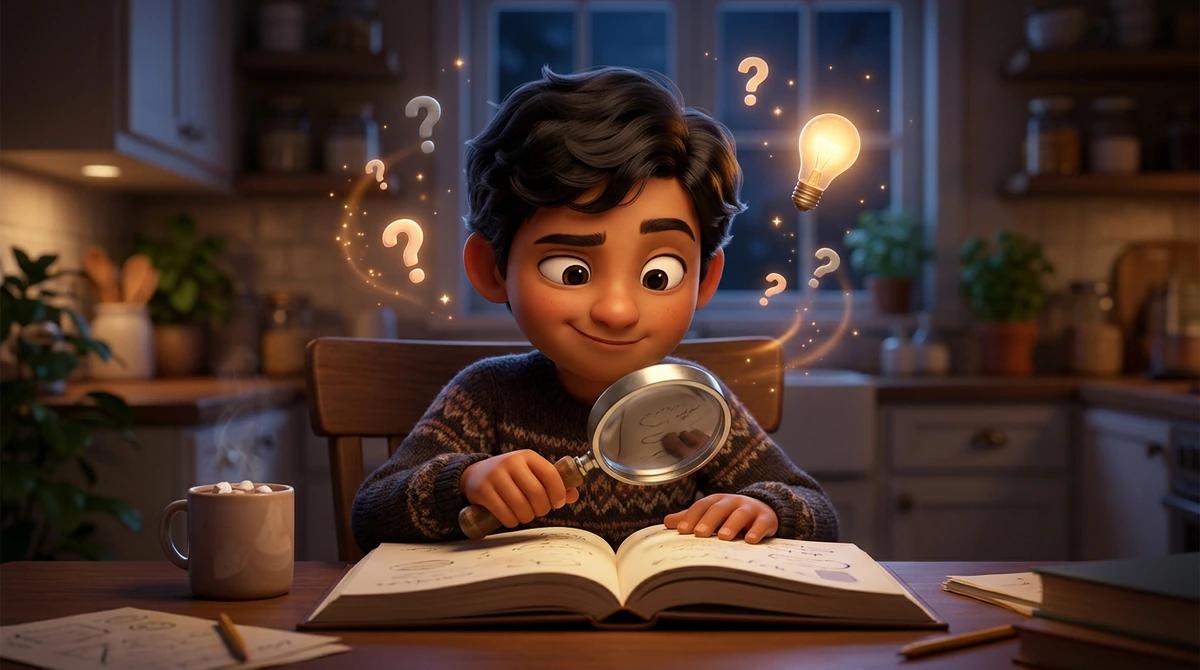
What games already teach about stories, what a survey of young gamers found, game-tie-in books as a bridge, and series with quests, levels and worlds to explore.
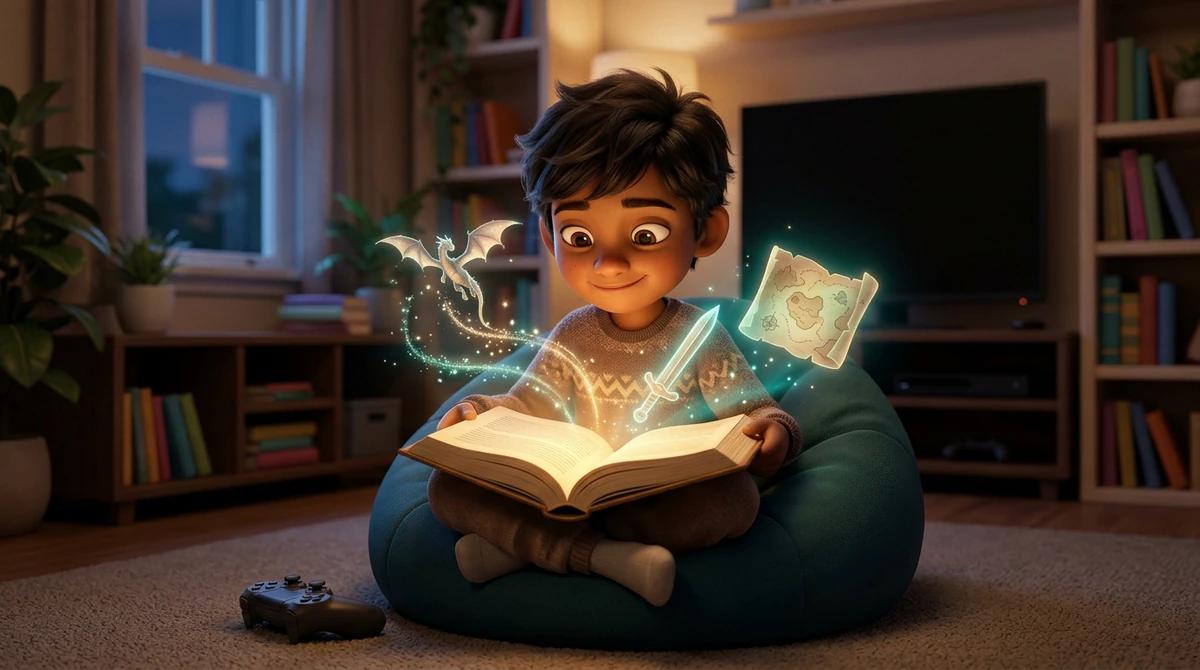
Who to invite, how to choose the books, a first-meeting plan with timings, and how to keep every child talking.
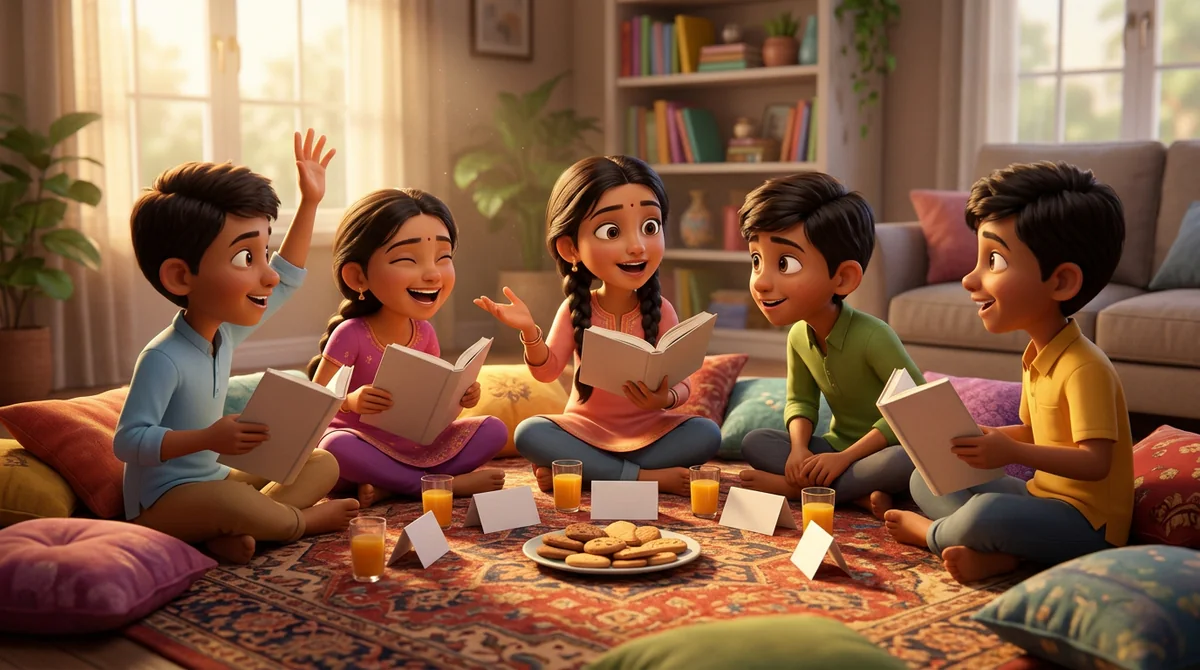
What each genre gives a child, which kind of child it tends to suit, and how to widen a reader who only wants one kind of book.
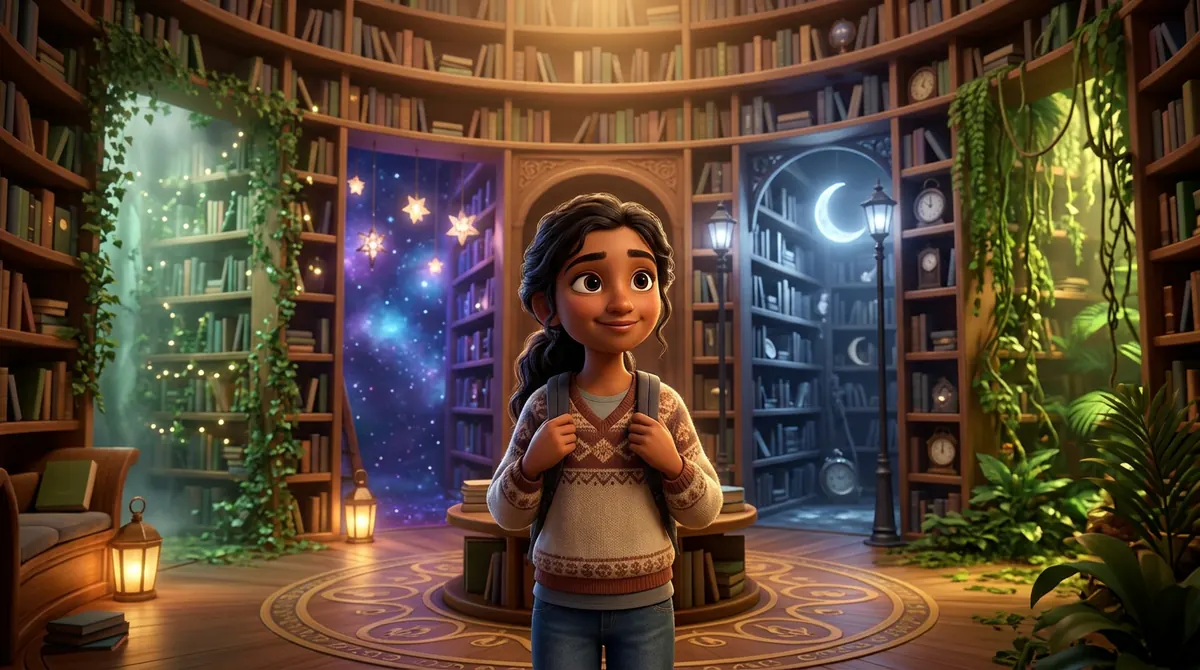
A simple five-part shape (opinion, reasons, an example, the other side and a conclusion), sentence starters, sample paragraphs for ages 7 to 14, and topics children actually care about.
What Roblox is, the real risks, how to set up parental controls and chat settings, and family rules that keep it fun, with what changed in Roblox's 2026 safety updates.
What children mean by "brain rot", what research does and doesn't show about short videos, and simple swaps that help.

Start from your child, not a list. Match books to their interests, check the level, avoid five common mistakes and help them build a taste of their own.
What paediatricians recommend at each age, the signs it's too much, and how to set limits that hold without a fight every evening.
Why switching off ends in tears, a routine that makes limits hold, and what to offer in place of the screen.
No worksheets needed. Small questions at the dinner table, in front of an advert and inside a good book.