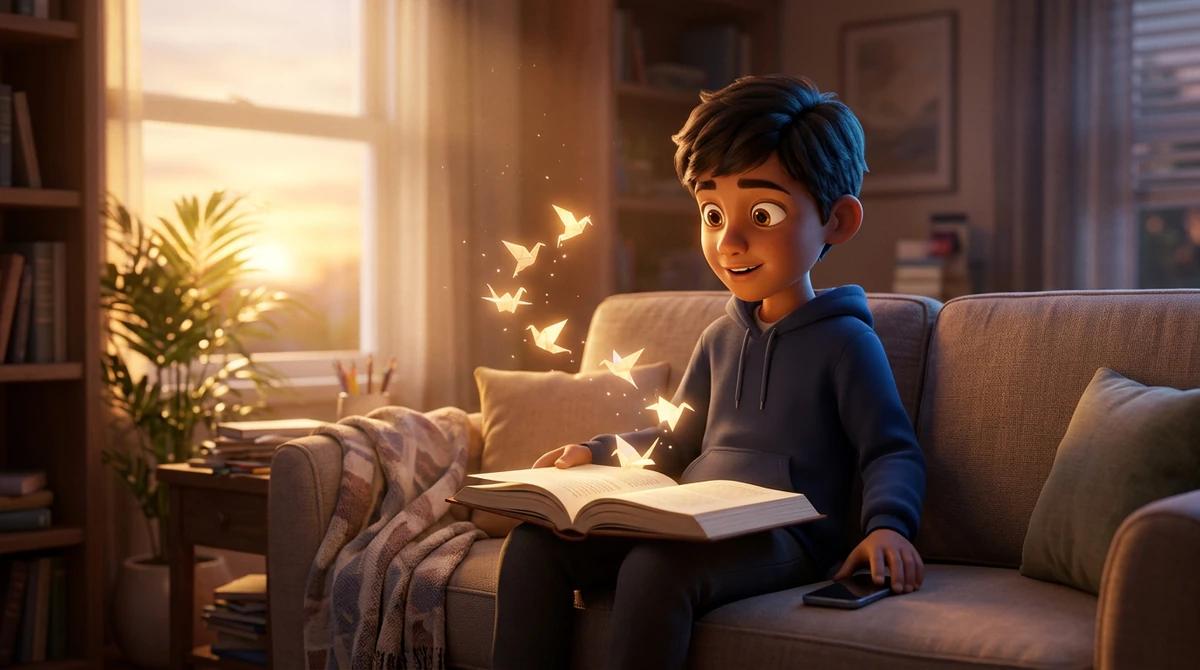
Words for feelings, talking side by side instead of face to face, phrases that open a conversation, and characters in books as a safe way in.

How to explain AI to a child of 6, 10 or 14, five things every child should know about it, activities to try together, what to say about AI "friends", and how to answer big worries calmly.
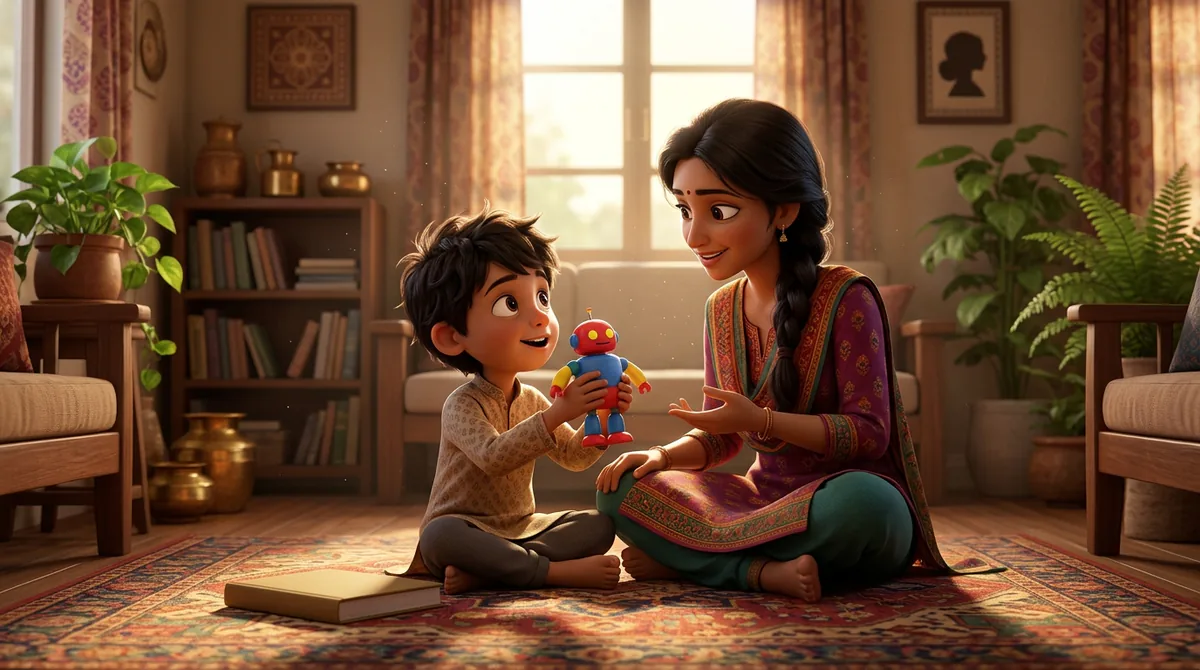
Death, war and violence in children's books: what to know before they start, what to say after, and when to pause.
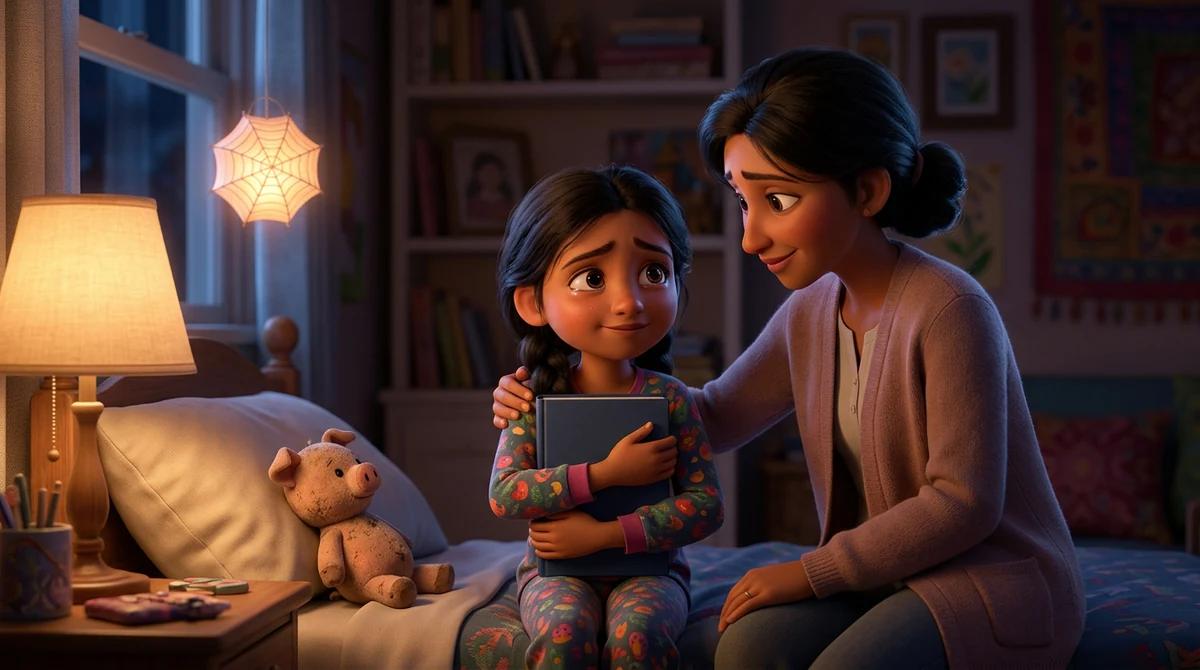
Ten short retellings from the Panchatantra, the Jataka tales and Aesop, why the best ones don't spell out the moral, and one question to ask after each.
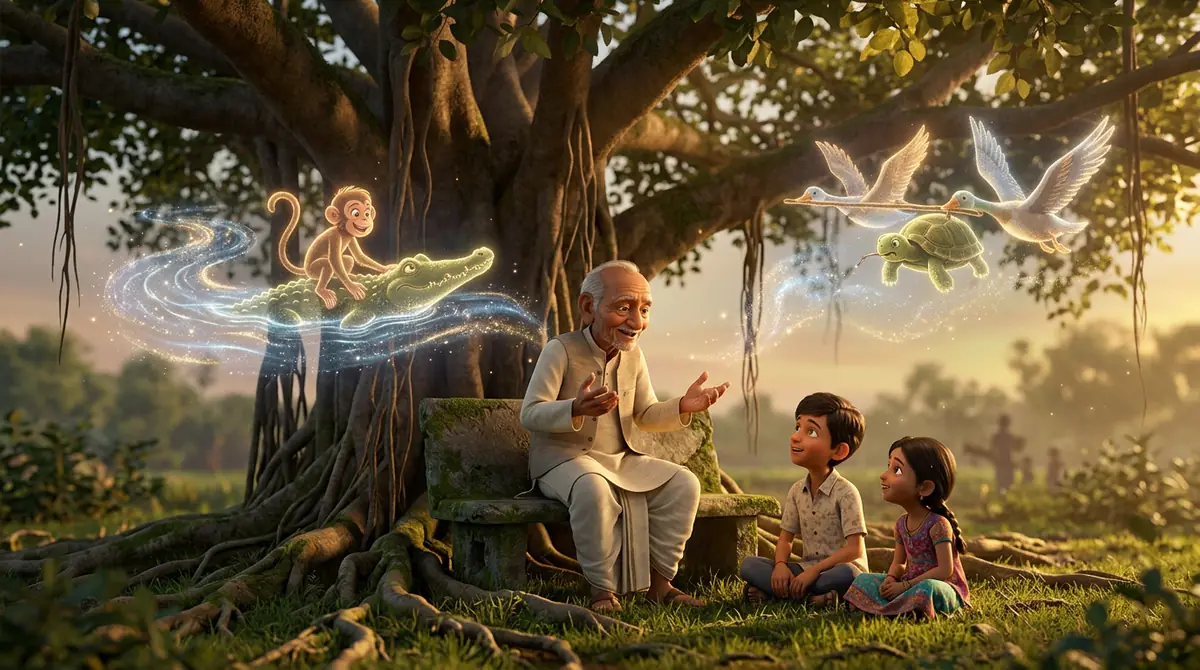
A simple shape for any story, how to use voice and pauses, bedtime stories you make up together, and getting ready for a school storytelling competition.
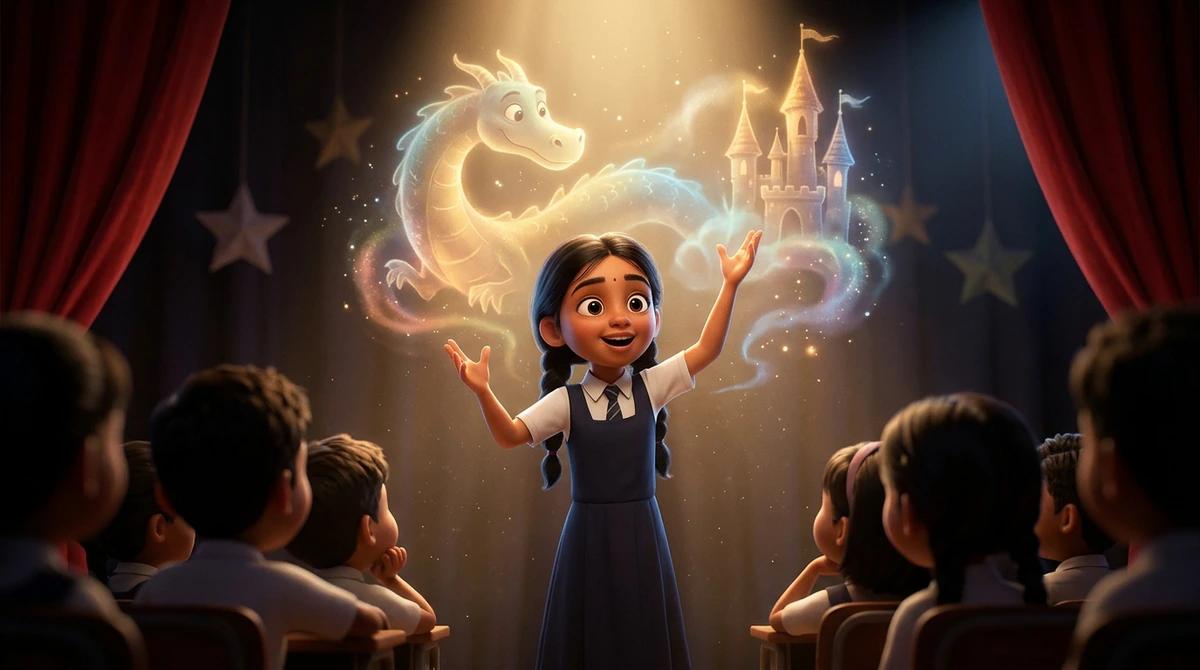
Signs to look for, what to say, how to help them find friends and someone to talk to, and when loneliness needs more help.
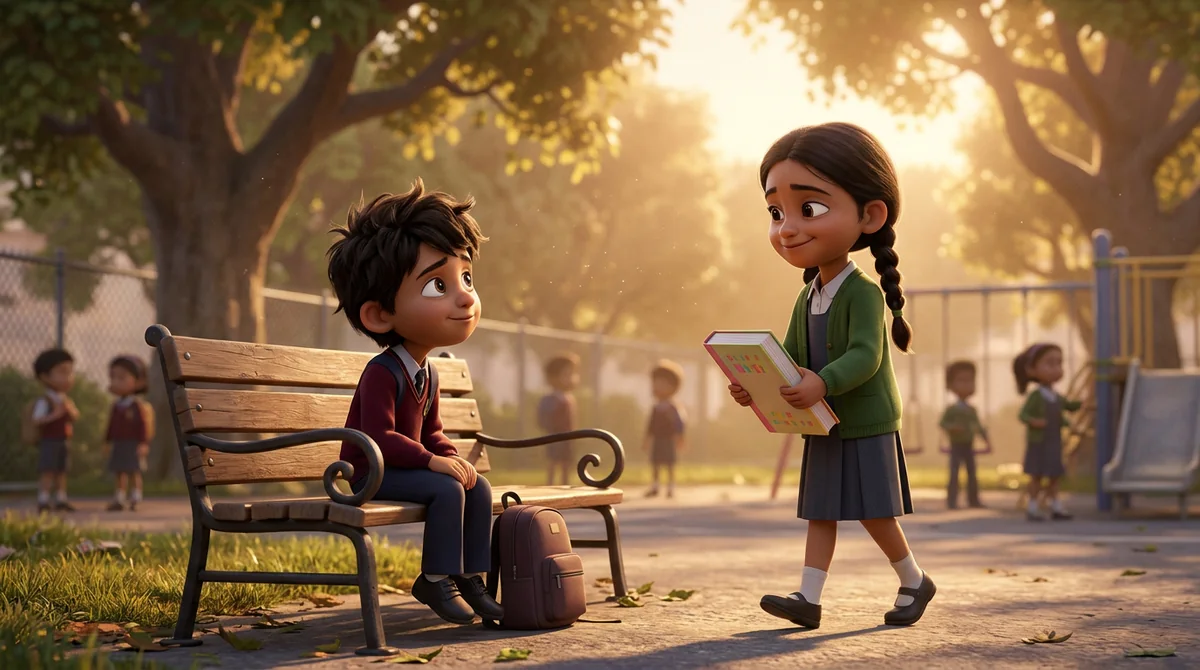
Start funny and read aloud, move on to novels in verse, find poems close to home, and write a five-line poem together tonight.
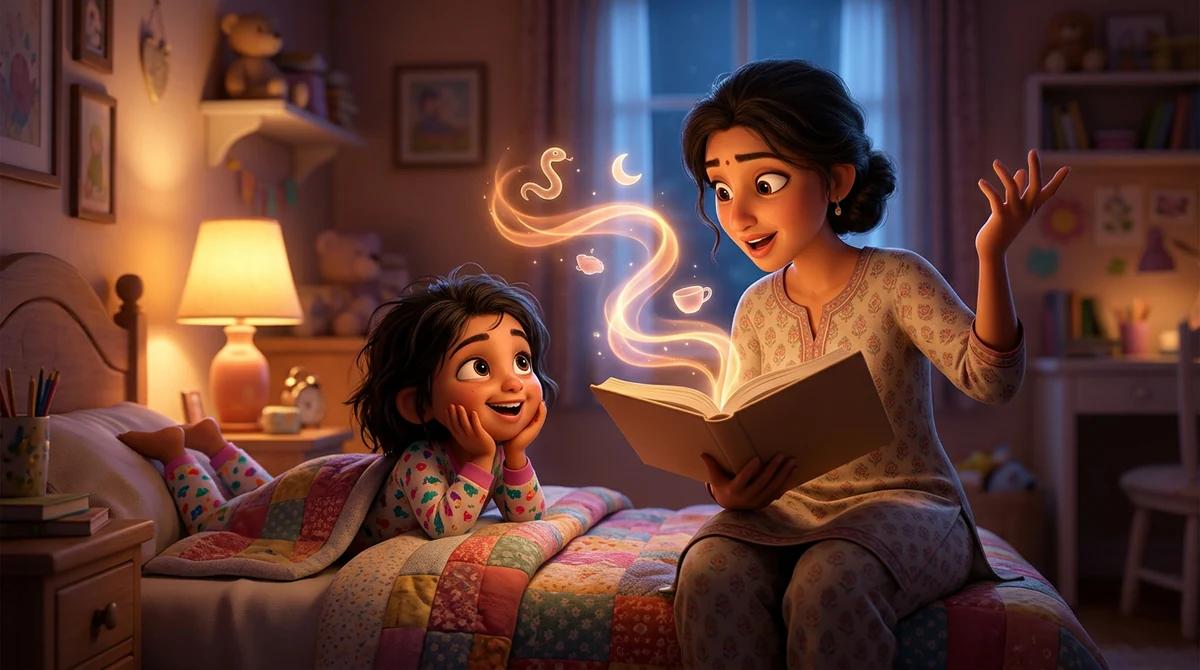
Prompts about me, feelings, good things, what-ifs, story starters and books, with how to start a journal and keep it going.
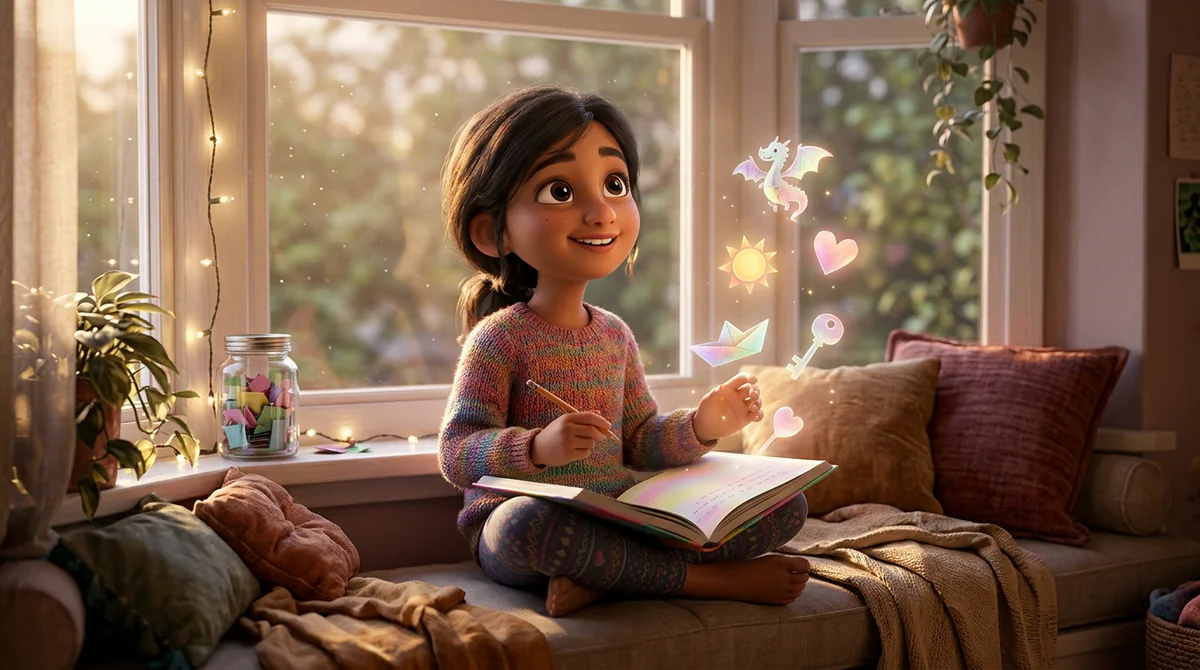
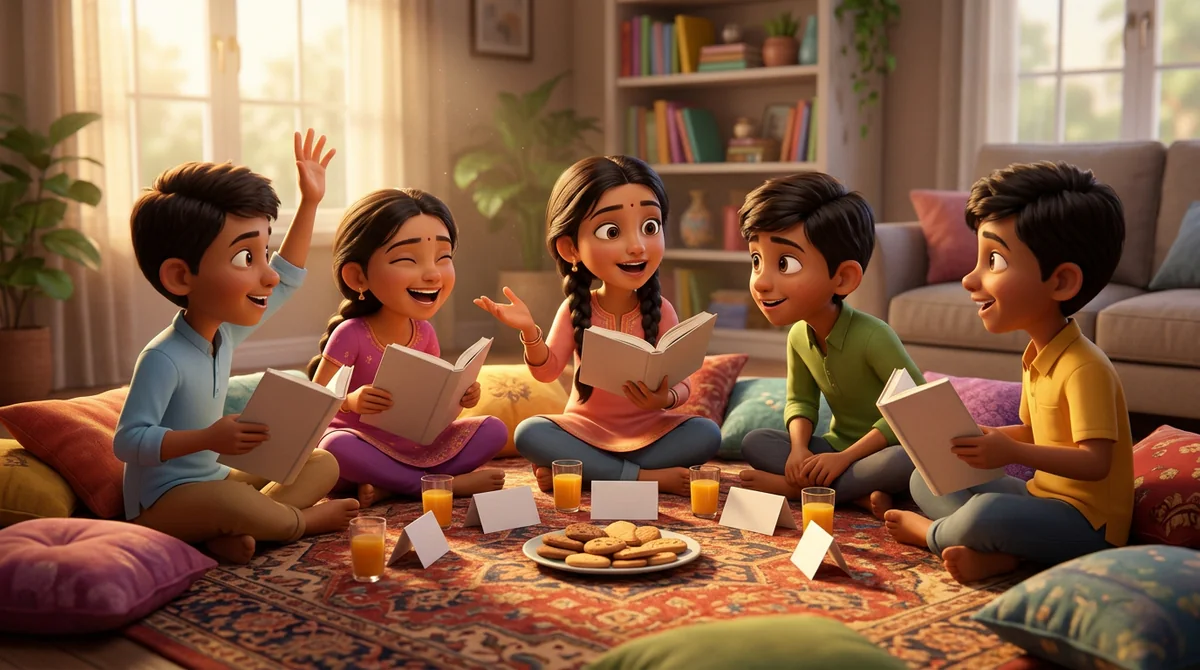
Who to invite, how to choose the books, a first-meeting plan with timings, and how to keep every child talking.
What children mean by "brain rot", what research does and doesn't show about short videos, and simple swaps that help.