What to ask before, during and after reading, with real conversations by age.

Death, war and violence in children's books: what to know before they start, what to say after, and when to pause.
Start from your child, not a list. Match books to their interests, check the level, avoid five common mistakes and help them build a taste of their own.

How to explain AI to a child of 6, 10 or 14, five things every child should know about it, activities to try together, what to say about AI "friends", and how to answer big worries calmly.
Words for feelings, talking side by side instead of face to face, phrases that open a conversation, and characters in books as a safe way in.

Signs to look for, what to say, how to help them find friends and someone to talk to, and when loneliness needs more help.
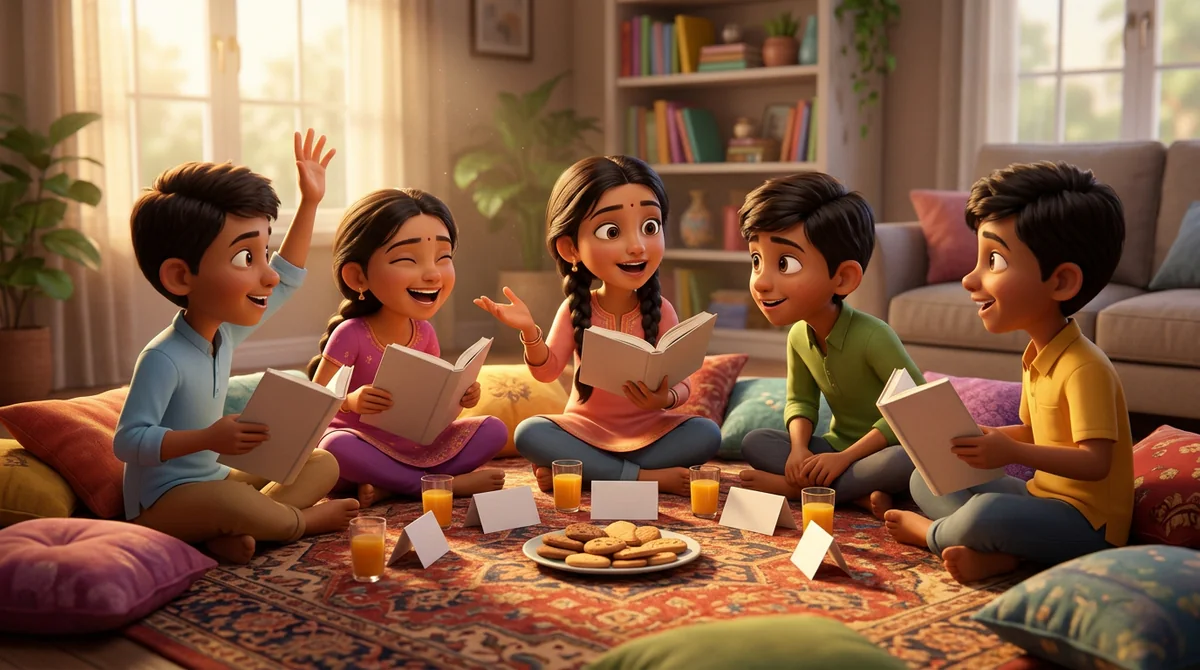
Who to invite, how to choose the books, a first-meeting plan with timings, and how to keep every child talking.
Most new words come from books and talk, not lists.

Why a mentor matters, where to find one, the safety checks to insist on, and the questions to ask before your child's first session.

Ten everyday habits, a 10-minute daily routine and the mistakes to avoid, without giving up your home language.