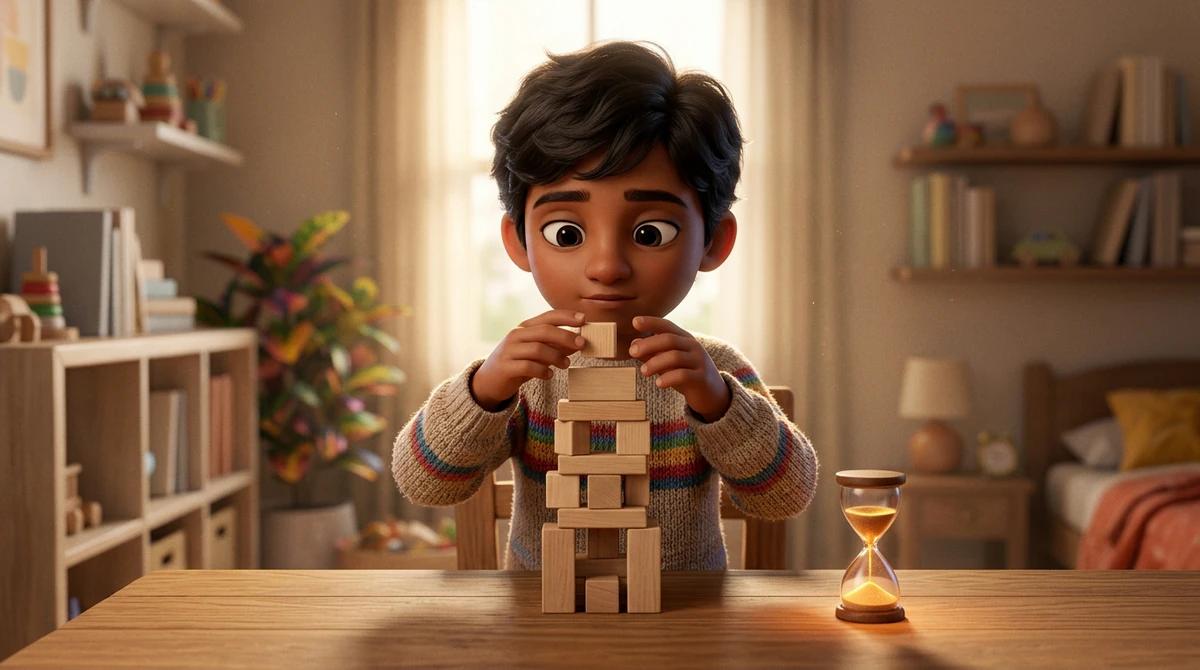
Free time, open-ended materials, "what if" questions, finishing their own ideas, and books as raw material for stories.
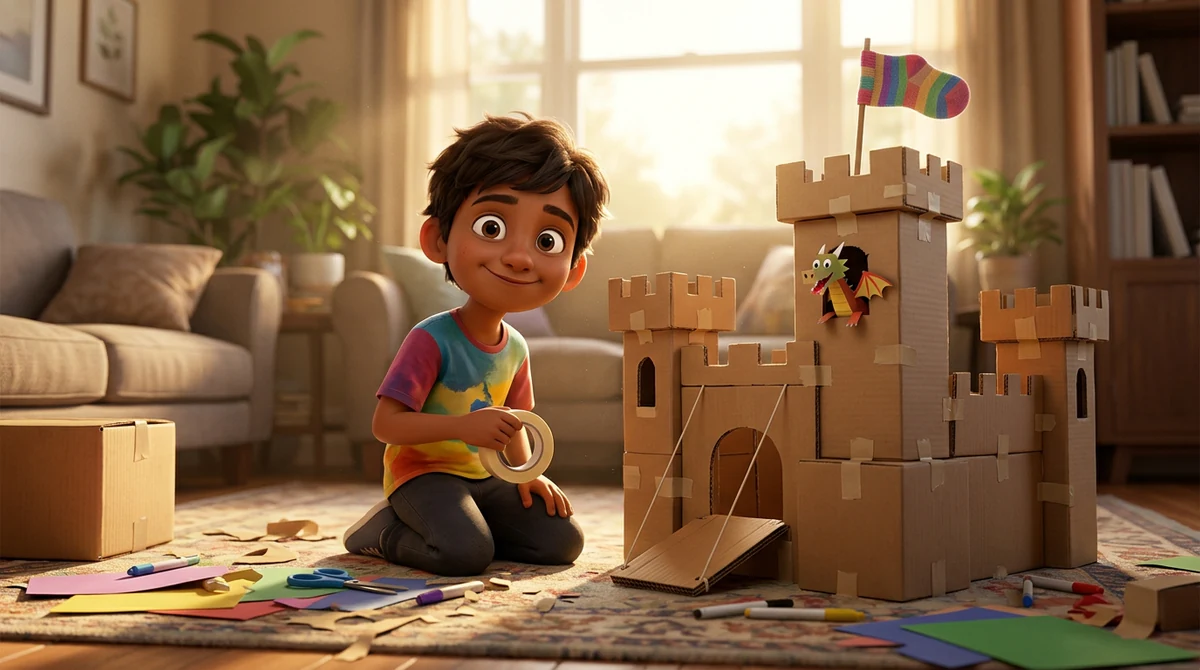
Classes, tuition, sport and music can leave a child with no time to just be a child. The signs of an overscheduled child, how to decide what stays, and how much free time children need.
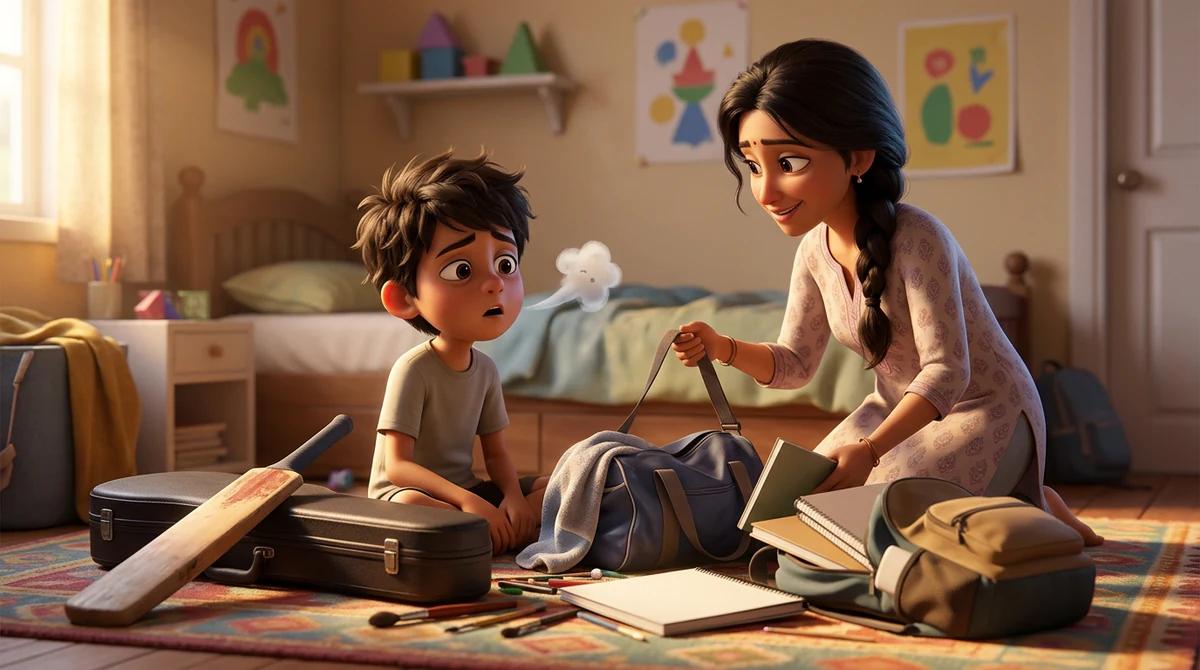
Low-prep ideas for after school, weekends, road trips and restaurants, sorted by where you are, plus how to get a screen-loving child to actually try them.
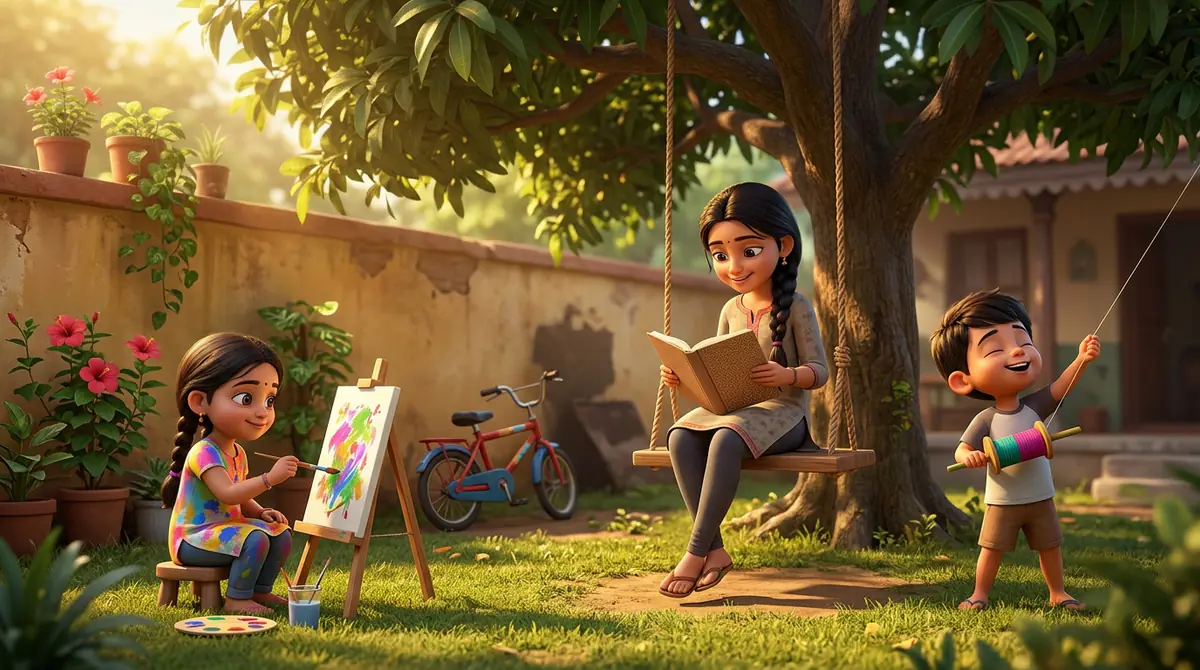
What brain studies found, why books feel hard after screens, and how to help your child reach for a book more often.

What children mean by "brain rot", what research does and doesn't show about short videos, and simple swaps that help.

What is really changing in work and school, what AI can't do for your child, and exactly what to give them now, from real books and daily conversation to hard problems, other people and simple rules for AI.
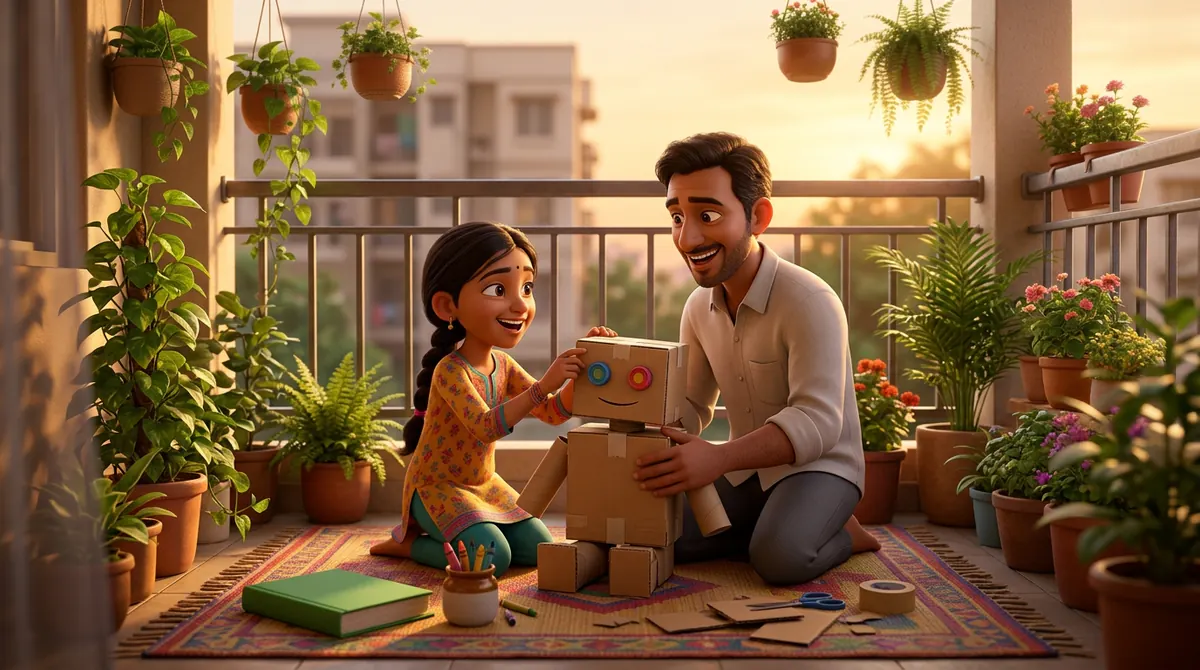
The skills employers and schools expect to matter most as AI spreads, what each one looks like in a child aged 6 to 14, and simple everyday ways to build them, most of which start with a book and a conversation.
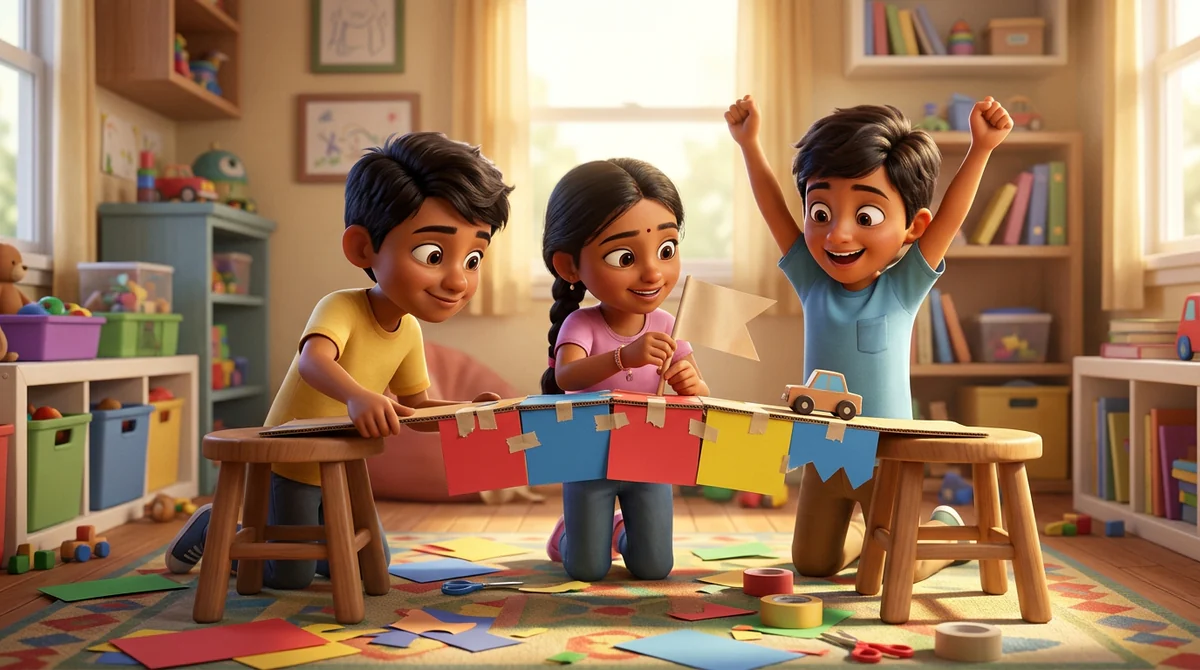
Only children aren't lonelier or more spoiled than others, but they do need a different plan for company, play and time alone. Practical ideas for ages 6–14.
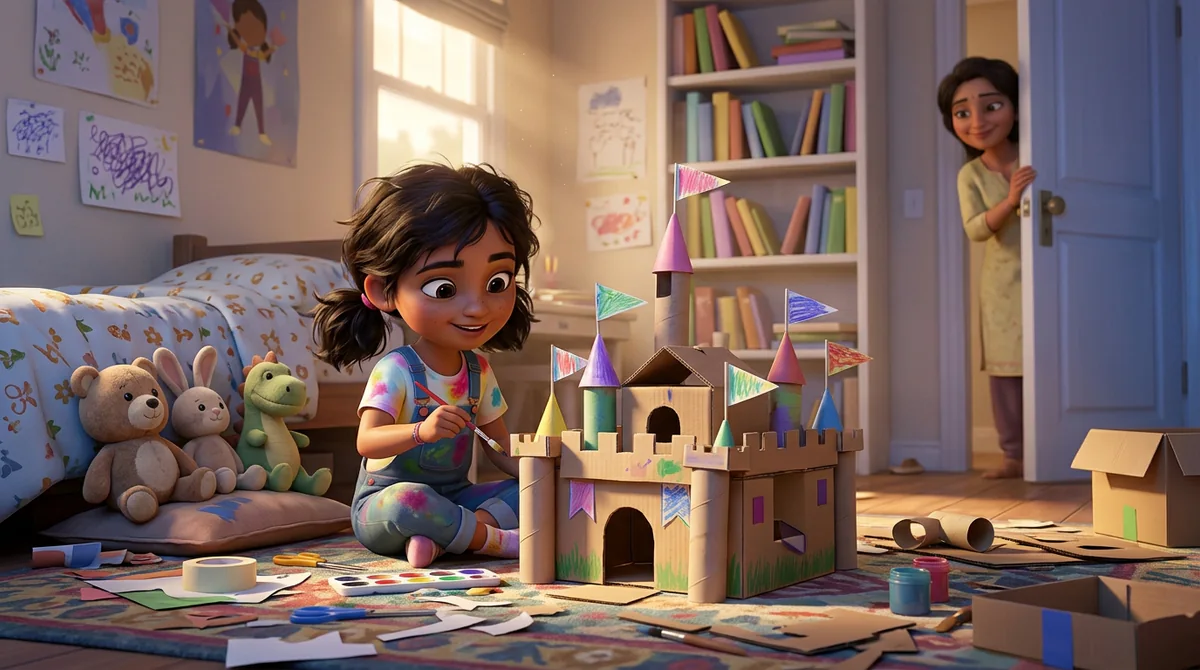
How long children can really focus at each age, why it feels harder today, and the habits and activities that build concentration.