How to Encourage Creativity in Children (and Why a Little Boredom Helps)
Free time, open-ended materials, "what if" questions, finishing their own ideas, and books as raw material for stories.
"I'm bored."
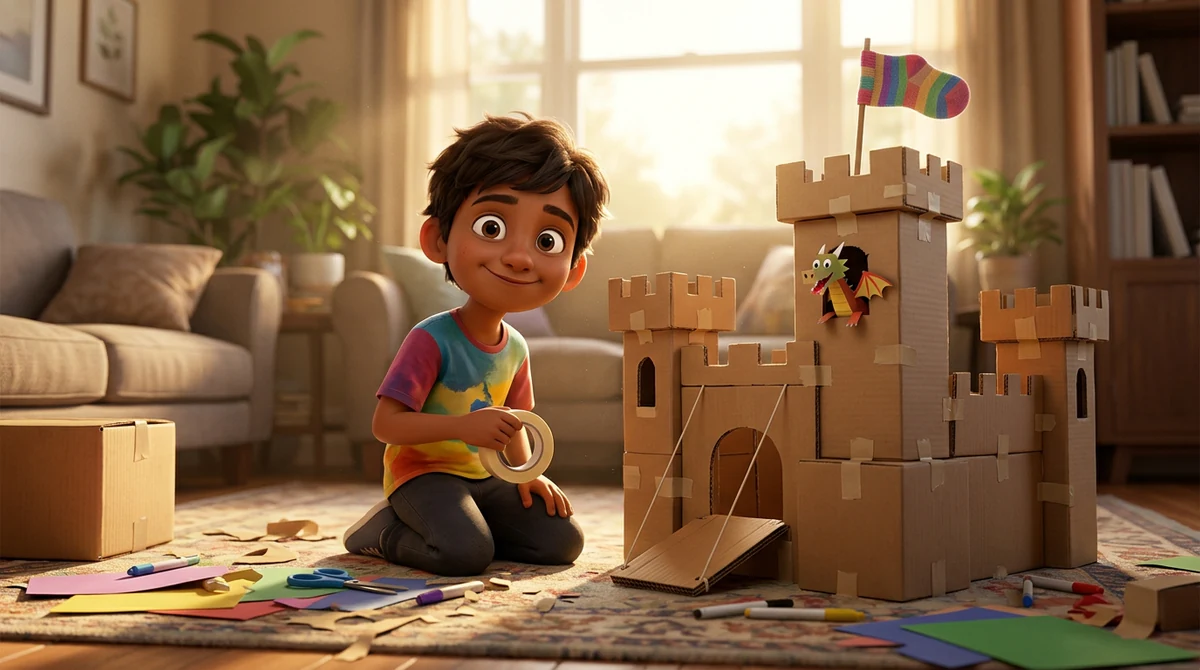
It's a Saturday afternoon, the tablet is charging, and your nine-year-old is lying upside down on the sofa. You resist the urge to suggest something. "I wonder what you'll come up with."
Forty minutes later, there's a cardboard castle on the floor with a drawbridge that works, a flag made from a sock, and a long story about the dragon who lives in the tower.
Creativity rarely needs a class or a kit. It needs time, a few simple materials and adults who know when to step back. Here's how to make room for it.
In short
- Creativity is making something new: a story, a game, a solution, a drawing. It isn't only art.
- A little boredom helps. In experiments with adults, people who first did a dull task were more creative afterwards (Mann and Cadman, 2014).
- Give unscheduled time and open-ended materials, like cardboard, tape, paper and blocks.
- Ask "what if?" and let them finish their own ideas, without taking over.
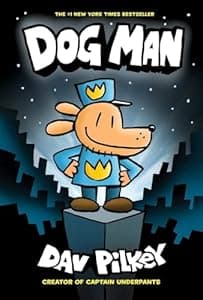
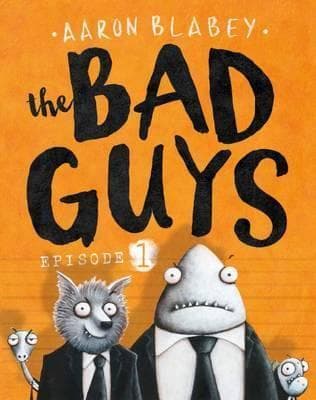
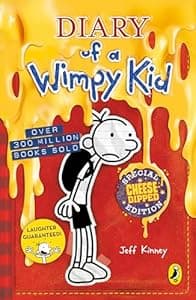
- Books are raw material. New endings, new characters and stories inside stories all start with reading.
What creativity looks like in a child
It's the six-year-old who turns a cardboard box into a spaceship, the nine-year-old who invents a new rule for a board game, and the twelve-year-old who writes a song about the school bus. Creativity shows up in play, problem-solving, building, writing and talking, not only in drawing and music.
Every child has it. What changes is how much room they get to use it.
Why a little boredom helps
When there's nothing to do, the mind wanders, and wandering is where ideas often begin.
Researchers in the UK tested this with adults. People who first did a deliberately boring writing task then did better on a creative task than people who hadn't been bored. A boring reading task seemed to help more than a boring writing one, and the researchers suggested daydreaming as the link (Mann and Cadman, 2014).
The study was with adults, so treat it as a hint rather than proof for children. But many parents will recognise the pattern: the most inventive play often starts right after "I'm bored."
Ten ways to encourage creativity
1. Leave unscheduled time
A child whose every hour is planned has little room to invent. Protect some time each week with nothing in it. If your child's week is packed, see signs your child is overscheduled.
2. Offer open-ended materials
Cardboard boxes, tape, string, paper, blocks, old fabric and a pair of scissors can become anything. Toys that do one thing tend to be played with one way.
3. Ask "what if?"
"What if animals could vote?" "What if our house could fly?" "What if you woke up as your teacher?" What-if questions have no wrong answers, and they stretch imagination fast.
4. Let them finish their own ideas
It's tempting to improve a child's tower or fix their story. Resist. A wobbly castle they designed teaches more than a perfect one you built.
5. Accept a little mess
Creative work is messy. Agree a space where mess is fine, and a time to tidy up afterwards.
6. Praise the process
"You tried three ways to make the bridge stand up" encourages more trying. "That's amazing" says the work is finished. For more, see how to build confidence in kids.
7. Use books as raw material
Stories give children characters, worlds and problems to borrow. Try:
- a new ending for a book they've finished;
- the same story, told by the villain;
- a favourite character dropped into a new place;
- the chapter that happens after the last page.
8. Keep an ideas notebook
A small notebook for ideas, drawings and story starts gives creativity somewhere to live. Our journal prompts for kids include story starters to get going.
9. Add a challenge
Limits can spark ideas. "Make a story with a frog, a key and a thunderstorm." "Build a bridge with only paper and tape." "Draw a monster using only circles."
10. Be creative yourself
Doodle, cook without a recipe, sing badly, write a silly poem. Children who see adults trying new things feel free to try too.
What gets in the way
- Every minute planned. Classes and screens can crowd out free time.
- Correcting too soon. Fixing spelling or "improving" a drawing mid-flow can stop an idea in its tracks.
- Only one right answer. Worksheets have their place, but creativity needs room for many answers.
- Comparing. "Your sister's drawing is so neat" teaches a child to stop trying.
- Screens in every gap. A screen can be creative, but a constant stream leaves little room for boredom to do its work.
Want a mentor to help with this?
- Talks through a story
- Writes their own story
- Your report on WhatsApp
By age
| Age | What helps |
|---|---|
| 6–8 | Pretend play, cardboard and craft materials, what-if questions, telling stories aloud |
| 9–11 | Building projects, inventing games, an ideas notebook, writing new endings to books |
| 12–14 | Longer projects they choose, music, film-making or writing, real problems to solve, time alone |
Writing their own story, chapter by chapter
In a Bookstaken session, your child reads a real book picked for their interests and talks it through one to one with a trained college mentor on Google Meet. Then they write a story of their own, chapter by chapter, with every choice theirs to make. Each chapter is kept in their digital story journal, so they can see their own world grow.
After every session, you get a report on WhatsApp. The first 60-minute session is free. See how it works. For more starting points, see our story ideas for kids.
Questions parents ask
How can I encourage creativity in my child?
Leave unscheduled time, offer open-ended materials like cardboard and tape, ask what-if questions, let them finish their own ideas, and praise the effort rather than the result. Books give them characters and worlds to build on.
Is boredom good for kids?
A little can be. When there's nothing to do, the mind wanders, and that's often where ideas start. Research with adults found people were more creative after a boring task. Children need some unplanned time too.
What activities develop creativity in children?
Pretend play, building with boxes and blocks, inventing games, drawing, making music, telling and writing stories, and solving real problems at home. Activities with many possible answers work best.
How do I help a child who says they're not creative?
Start small and playful: a what-if question, a story with three random objects, or a drawing made only of circles. Praise the trying, not the result, and let them see you having a go too.
Should I limit screen time to encourage creativity?
Some screen use can be creative, but a constant stream of videos leaves little room for boredom and daydreaming. Protect some screen-free time each day for play and making things.
Sources
- Mann, S., & Cadman, R. (2014). Does being bored make us more creative? Creativity Research Journal, 26(2), 165–173.
More guides on this topic: Focus and learning
Latest Articles
Similar Articles
Want Your Child to Experience Books More Deeply?
Bookstaken pairs kids with caring mentors who turn reading into engaging conversations, inspiring them to eventually write their own stories.
Responses
No responses yet. Be the first to share your thoughts.
Love books yourself? Get paid to read with kids as a Bookbuddy
