What Skills Do Children Need for the Future? 10 to Build at Home
The skills employers and schools expect to matter most as AI spreads, what each one looks like in a child aged 6 to 14, and simple everyday ways to build them, most of which start with a book and a conversation.
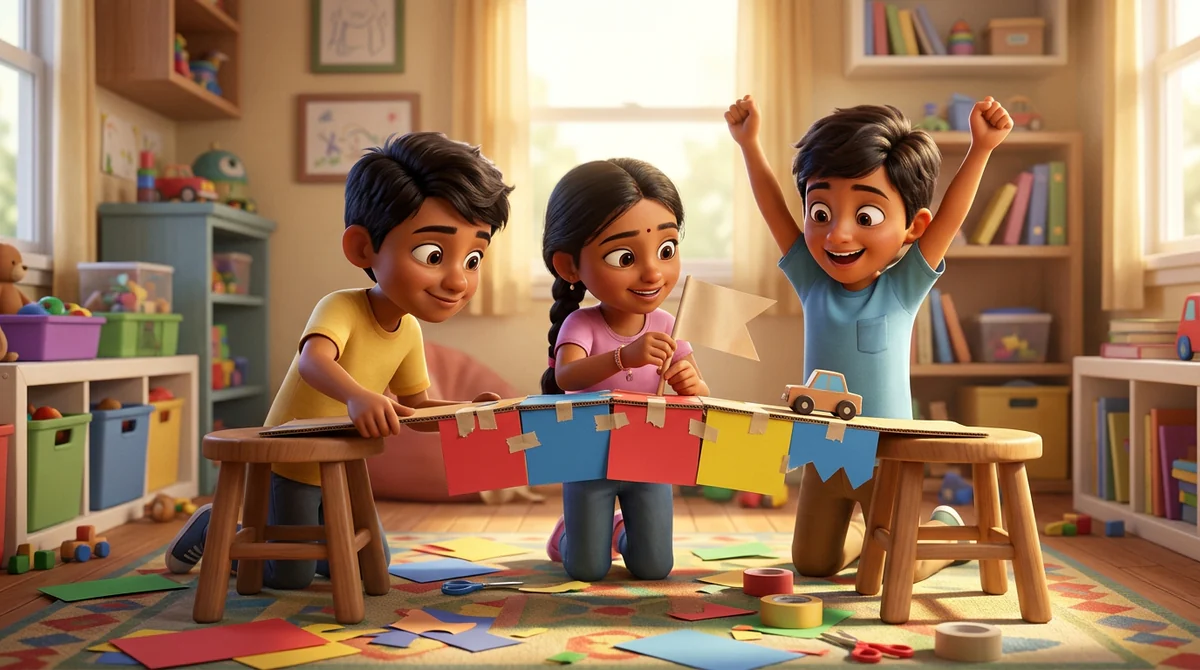
Coding camps. Robotics kits. AI courses for eight-year-olds.
It's easy to feel that your child will fall behind unless they learn the latest technology now. But when employers are asked which skills matter most, the top of the list looks surprisingly familiar: thinking things through, bouncing back, working with people, creating and staying curious.
Here are ten skills to build, what each looks like in a child, and everyday ways to practise them at home.
In short
- The most valued skill is analytical thinking: seven in ten employers call it essential (World Economic Forum, 2025).
- Technology skills are rising fast, but so are creative thinking, resilience, and curiosity and lifelong learning.
- Most of these skills are built through ordinary things: reading, talking, playing, making and trying again.
- Children need to understand AI too: how it works, where it goes wrong and when to use it.
- Start where your child already is. Their interests are the best way in.

Where this list comes from
The World Economic Forum's Future of Jobs Report 2025 asked over 1,000 employers which skills their workers need. The top five core skills were analytical thinking; resilience, flexibility and agility; leadership and social influence; creative thinking; and motivation and self-awareness. The fastest-growing were AI and big data, networks and cybersecurity, and technological literacy, with creative thinking, resilience and curiosity rising too.
UNESCO's AI competency framework for students (2024) adds what children need to know about AI itself: a human-centred mindset, the ethics of AI, how AI works and how AI systems are designed.
The ten skills below bring both lists together, in a child's terms.
The 10 skills
1. Thinking things through
What it is: asking why, weighing reasons and reaching their own conclusion.
At home: ask "What do you think, and why?" and wait for the answer. Play "would you rather", solve puzzles, and talk about a story's choices: "Was that fair?" See how to teach critical thinking to kids.
2. Creative thinking
What it is: coming up with new ideas, and more than one answer.
At home: make up stories together, build without instructions, and ask "What else could it be?" Boredom helps too. See how to encourage creativity in children.
3. Bouncing back
What it is: resilience and flexibility: trying again, and trying a different way.
At home: praise effort and strategy, not cleverness. Share your own mistakes and what you did next. See my child gives up easily.
4. Curiosity and loving to learn
What it is: wanting to find out, and enjoying it.
At home: follow their questions down rabbit holes. Visit the library and let them choose. Say "I don't know, let's find out" often.
5. Talking and listening
What it is: explaining ideas clearly, and really hearing other people. The report lists empathy and active listening among its top ten core skills.
At home: have one real conversation a day, with your phone away. See conversation starters for kids.
6. Working with others
What it is: sharing, taking turns, disagreeing kindly and sometimes leading.
At home: team games, cooking together, sport, clubs and family projects where everyone has a job.
7. Knowing themselves
What it is: motivation and self-awareness: knowing what they enjoy, what they find hard and what helps.
At home: ask "What was the best part of today? The hardest?" and help them name feelings. See how to help your child express their feelings.
8. Understanding technology and AI
What it is: knowing roughly how computers and AI work, where they go wrong, and how to use them safely.
At home: try an AI tool together and check its answer. Talk about who made it and why. See how to talk to your child about AI and how to teach kids to use AI safely for school.
9. Reading deeply
What it is: following a long text, understanding it and questioning it.
At home: a daily reading time, books they choose, and talking about what they read. See is reading still important in the age of AI?
10. Writing their own ideas
What it is: putting their thinking into their own words, from a story to an opinion.
At home: journals, letters, comics and short stories, with no marking. See story writing for kids and opinion writing for kids.
One activity, many skills
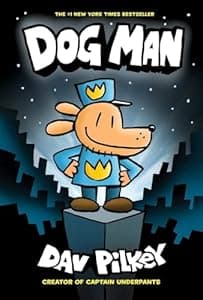
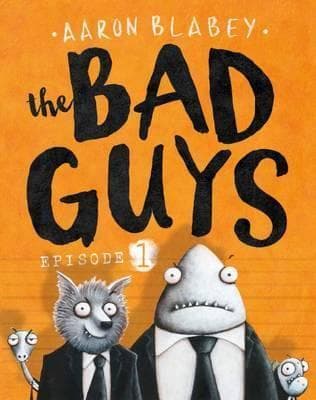
A single book, read and talked about, builds several skills at once.
| Doing this | Builds |
|---|---|
| Reading a whole book | Reading deeply, concentration, curiosity |
| Saying what they thought of it, and why | Thinking things through, talking |
| Arguing about a character's choice | Thinking things through, empathy, disagreeing kindly |
| Writing what happens next | Creative thinking, writing their own ideas |
| Sticking with a hard chapter | Bouncing back |
By age
| Age | Focus on |
|---|---|
| 6–8 | Questions, play, stories read aloud, making things, trying again after mistakes |
| 9–11 | Giving reasons for opinions, projects, team activities, choosing their own books, first careful uses of AI with you |
| 12–14 | Debating, longer reading and writing, leading something, checking AI's answers against good sources |
Hear what your child really thinks about a story
- Talks through a story
- Writes their own story
- Your report on WhatsApp
How to start
- Pick two skills, not ten. Notice which ones your child already enjoys.
- Use their interests. A football fan can read, debate and write about football.
- Keep it everyday. Ten minutes of real talk beats an expensive class they don't enjoy.
For the bigger picture, see how to prepare your child for an AI future.
Building them one to one
In a Bookstaken session, your child reads a real book picked for their interests and talks it through one to one with a trained college mentor on Google Meet. They give their own verdict on the book, then write a story of their own, chapter by chapter, so one hour practises thinking, talking, creating and writing together.
After every session, you get a report on WhatsApp. The first 60-minute session is free. See how it works.
Questions parents ask
What skills do children need for the future?
Employers rank analytical thinking first, then resilience and flexibility, leadership and social influence, creative thinking, and motivation and self-awareness. Children also need to understand technology and AI, read deeply and write their own ideas.
How can I build future skills at home?
Through everyday things: reading together, asking "What do you think, and why?", puzzles, making things, team games and letting them try again after mistakes. You don't need special equipment.
Is coding the most important skill for the future?
No single skill is. Technology skills are growing fastest, but employers value thinking, resilience, creativity and working with people just as highly. Coding is worth learning if your child enjoys it.
What skills will AI not replace?
Nobody can say for certain. In an assessment for the World Economic Forum's 2025 report, skills rooted in human interaction, such as empathy and active listening, showed no potential to be replaced by today's generative AI. Children also need their own thinking to check what AI tells them.
At what age should children start learning these skills?
From the start. A six-year-old asking "why?" is already practising analytical thinking. The skills grow with age, through reading, talking and trying things.
Sources
- World Economic Forum (2025). The Future of Jobs Report 2025: skills outlook and digest.
- UNESCO (2024). AI competency framework for students.
More guides on this topic: Focus and learning
Latest Articles
Similar Articles
Want Your Child to Experience Books More Deeply?
Bookstaken pairs kids with caring mentors who turn reading into engaging conversations, inspiring them to eventually write their own stories.
Responses
No responses yet. Be the first to share your thoughts.
Love books yourself? Get paid to read with kids as a Bookbuddy
