Is Reading Still Important in the Age of AI? Why It Matters More
Why a summary is not the same as reading the book, how deep reading and writing build the judgement children need to use AI well, and how to keep real reading going alongside new tools.
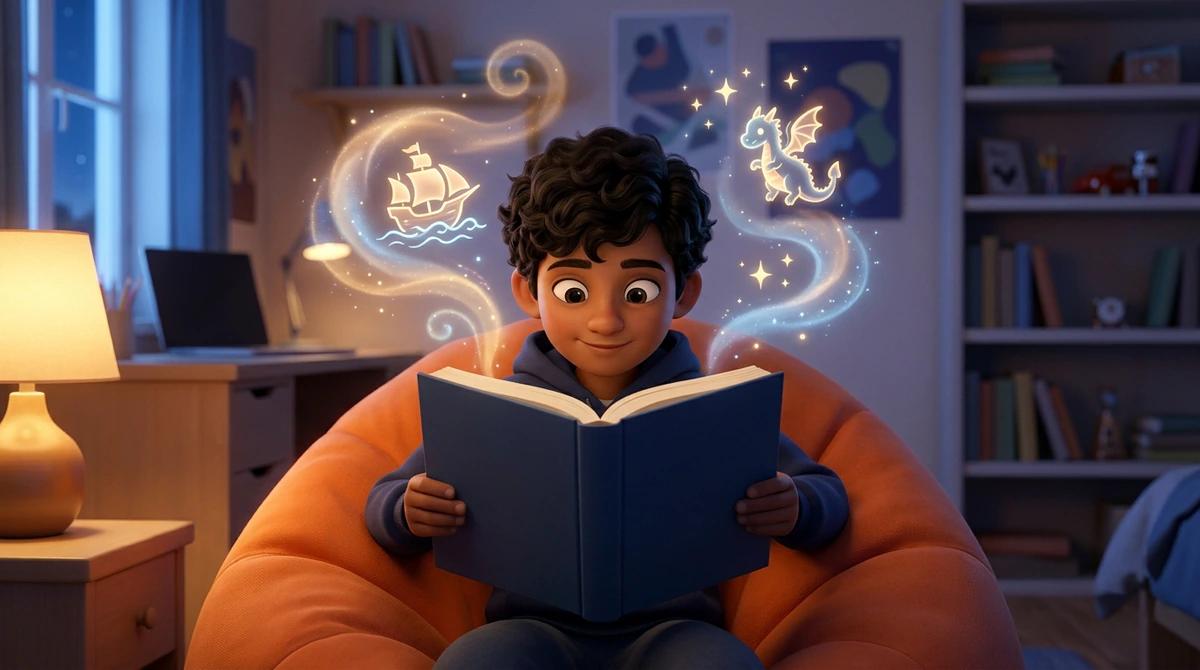
"Why do I have to read the whole book? The AI can tell me what happens."
It can. In ten seconds, a chatbot will summarise any book your child is set for school. So is reading still worth the time?
Yes, and arguably more than before. A summary tells your child what happened. Reading the book is how they learn to think, to concentrate, to feel what someone else feels and to form an opinion of their own. Those are exactly the things they need to use AI well, rather than be used by it.
In short
- A summary isn't reading. It gives the plot, not the experience, the vocabulary or the practice in following a long piece of thought.
- Reading builds judgement: the ability to question what they're told, which is what AI's confident answers demand.
- Letting AI do the work can harm learning. Students who leaned on a chatbot for maths practice did worse without it (Bastani and colleagues, 2025).
- Writing is thinking. Children who write their own ideas learn what they think.
- Keep both: real books for reading and talking, AI as a careful helper, never a replacement.
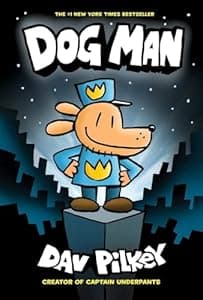
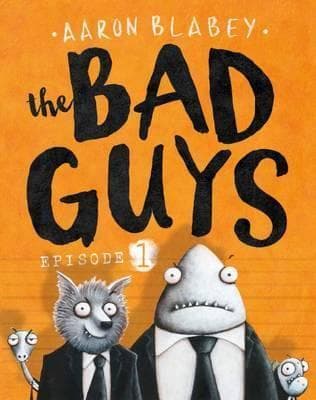
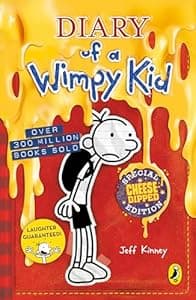
What a summary can't give
| A summary gives | Reading the book gives |
|---|---|
| What happened | What it felt like, and why it mattered |
| A few key words | Many new words, met in context |
| The answer | Practice in following and remembering a long story |
| Someone else's view of the book | Your child's own opinion of it |
| Two minutes of attention | Twenty minutes of focus, built up over time |
For what reading does for a child, from vocabulary to empathy, see the benefits of reading for children.
Reading builds the judgement AI needs
AI tools can sound sure when they are wrong. They can invent facts, quotes and even sources. Using them well means asking: Is this true? What's missing? Who says so?
Those are reading skills. Children who read widely, and talk about what they read, practise them every day: noticing when a character is lying, asking why the author chose an ending, comparing two books on the same subject. UNESCO's AI competency framework for students (2024) puts critical judgement of AI at the centre of what children need to learn.
The crutch problem
In a study with nearly a thousand high-school maths students, those given an ordinary chatbot for practice did much better on practice problems. But when it was taken away, their grades were 17% lower than those of students who had never used it. Many had used it to get answers rather than to learn. A version designed as a tutor, which gave hints rather than answers, largely avoided the drop (Bastani and colleagues, 2025).
That study was about maths, not reading. But the lesson carries over: when a tool does the thinking, the child doesn't learn to think. A book can't do the reading for them.
For rules that keep AI a helper, see how to teach kids to use AI safely for school.
Writing is thinking
When AI can write a tidy paragraph, why should a child learn to write?
Because writing is how we find out what we think. A child who writes a story chooses every character and twist. A child who writes an opinion has to decide what they believe and why. An AI-written paragraph skips all of that.
- Keep some writing on paper, and some that nobody marks. See journal prompts for kids.
- Ask for their words first, before any tool.
- Value their ideas over neatness. See how to improve your child's writing skills at home.
Talking about books
Reading and talking together build the most. A child who has to explain what they think of a book, and defend it, is practising the analytical thinking employers say they value most (World Economic Forum, 2025).
Try "Who would you be friends with in this book?" or "Would you have done what she did?" See questions to ask your child about a book.
Give a keen reader someone to talk books with
- Talks through a story
- Writes their own story
- Your report on WhatsApp
Where AI can help reading
Used carefully, and alongside an adult for younger children, AI can:
- explain a hard word or idea in simpler language, after your child has tried;
- quiz them on a chapter they've already read;
- suggest similar books to look up at the library, to check before buying.
It shouldn't summarise books instead of them being read, or write book reviews for them. See how to write a book review for kids for one they write themselves.
Keeping real reading going
- A daily reading time, at the same time each day. See how to build a reading habit in children.
- Books they choose, including comics and series.
- Paper books for long reading, where there are no notifications.
- Read where they can see you.
- Talk about the book, not just the homework.
By age
| Age | What to do |
|---|---|
| 6–8 | Read aloud every day, let them read to you, talk about the pictures and the story; no AI summaries |
| 9–11 | Their own books at a set time, talking about opinions, writing a page of their own; AI only for a hard word, with you |
| 12–14 | Longer and harder books, comparing a book with an AI summary of it to see what's missing, writing their own reviews and arguments |
Reading and talking, one to one
In a Bookstaken session, your child reads a real book picked for their interests, a physical copy of their own, and talks it through one to one with a trained college mentor on Google Meet. At the Review stop they give their own verdict, then they write a story of their own, chapter by chapter. Most children finish a book over four to six sessions, with a short reading quest between them.
After every session, you get a report on WhatsApp. The first 60-minute session is free, and you're welcome to sit in. See how it works.
Questions parents ask
Is reading still important now that we have AI?
Yes. Reading builds concentration, vocabulary, empathy and the judgement to question what they're told. Those are what children need to use AI well. A summary gives the plot, not the thinking.
Will AI replace reading?
AI can summarise and explain, but it can't do the reading for your child, or give them their own opinion of a book. Reading for pleasure and understanding is still how children learn to think deeply.
Is it okay for my child to read AI summaries of books?
Not instead of the book. A summary can help an older child review a book they have already read, but it skips the experience, the words and the practice in following a long story.
Should children still learn to write if AI can write?
Yes. Writing is how children work out what they think. Let them write their own stories and opinions first, and keep AI, if at all, for feedback on their own draft.
How can reading help my child use AI better?
Readers practise questioning: is this true, what's missing, who says so? Those questions are exactly what's needed to check an AI's confident answers.
Sources
- Bastani, H. and colleagues (2025). Generative AI without guardrails can harm learning: evidence from high school mathematics. Proceedings of the National Academy of Sciences, 122(26).
- UNESCO (2024). AI competency framework for students.
- World Economic Forum (2025). The Future of Jobs Report 2025: skills outlook.
More guides on this topic: Reading habits and confidence
Latest Articles
Similar Articles
Want Your Child to Experience Books More Deeply?
Bookstaken pairs kids with caring mentors who turn reading into engaging conversations, inspiring them to eventually write their own stories.
Responses
No responses yet. Be the first to share your thoughts.
Love books yourself? Get paid to read with kids as a Bookbuddy
