How to Improve Your Child's Writing Skills at Home (Ages 6–14)
Eight ways to help, from planning and talking first to reading more and writing for a real reader, with what to expect at each age.
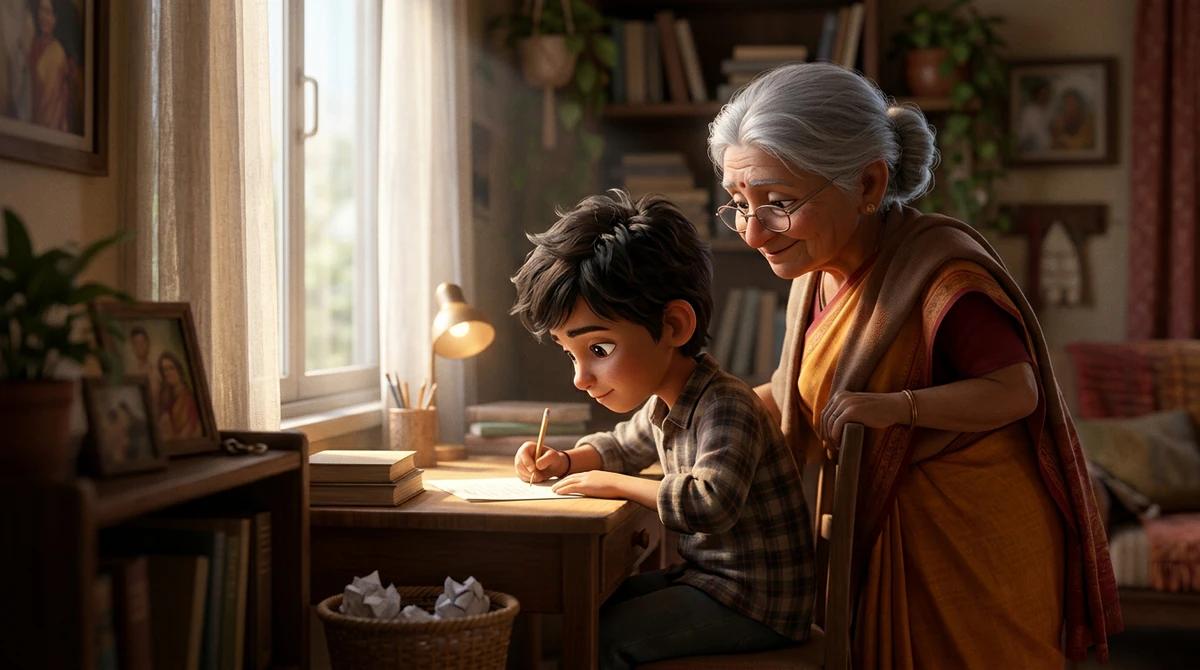
Children's writing improves with regular short practice, a plan before they start, talking ideas through first, plenty of reading and a real reader for what they write. At home, aim for little and often, fix one thing at a time, and keep the child's voice in the writing.
Eight ways to help
- Little and often. Ten to fifteen minutes, several times a week, builds writing better than a long session once a week. Schools are advised to give children time to write every day (IES, 2012).
- Plan before writing. Beginning, middle, end, or "who, wants, but, so". Planning is one of the strategies with the strongest evidence for improving children's writing (IES, 2012).
- Talk it out first. Ask them to tell you what they'll write. Spoken ideas become written ones more easily.
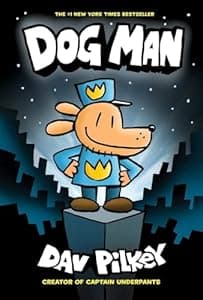
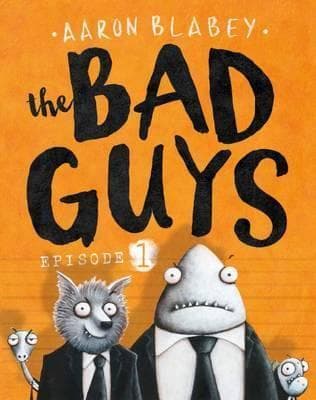
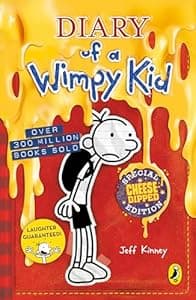
- Read, and notice how authors do it. Point out a great first line or a funny bit of dialogue in the book they're reading, then let them try it. Reading more supports better writing (Graham et al., 2018).
- Write for real readers. Letters, a book review for a cousin, a recipe card, a story read aloud at dinner.
- Grow their words. Collect favourite words from books in a notebook, and use one in tomorrow's writing.
- Fix one thing at a time. One kind of improvement per piece: full stops, or a stronger verb, or a better ending. Not all three.
- Mind the mechanics. Handwriting and spelling still matter: if they're a struggle, a few minutes of practice a day frees up attention for ideas. Older children benefit from learning to type (IES, 2012).
Need something to write about? Our free story ideas for kids give three starters at a time, by age and interest, ready to print.
A book review is a good first piece of real writing. Our guide to writing a book review has five simple questions and sample reviews by age.
What to expect at each age
A rough guide, not a rule:
- Ages 6–8: they tell the story, then write a few sentences. Drawing first is fine. Praise ideas over neatness.
- Ages 9–11: paragraphs, a simple plan, a first draft and a quick check.
- Ages 12–14: planning, a second draft, and feedback on structure and word choice.
For two kinds of school writing, step by step, see story writing for kids and opinion writing for kids.
A bigger project: their own book
Writing a book, one short chapter at a time, gives all of this a purpose. Our guide on how to help your child write a book walks through it, from the first idea to publishing.
In Bookstaken's 1:1 sessions, children talk through a real book with a college mentor, then write the next chapter of their own. See how it works in our creative writing classes. For children aged 6–14 who can already read. The first session is free.
Want a mentor to help with this?
- Talks through a story
- Writes their own story
- Your report on WhatsApp
Frequently asked questions
How can I improve my child's writing quickly?
Short daily writing with a plan, one thing fixed at a time, and a real reader for what they write. Quick wins show up in confidence before they show up in marks.
Does reading improve writing?
Yes. Children who read more tend to write better (Graham et al., 2018), and talking about how authors build a story helps them try it themselves.
Should I correct every mistake?
No. Pick one thing per piece; too many corrections teach a child that writing is where they get things wrong.
Sources
- Graham, S. et al. (2012). Teaching Elementary School Students to Be Effective Writers. Institute of Education Sciences practice guide.
- Graham, S. et al. (2018). Reading for writing: A meta-analysis of the impact of reading interventions on writing. Review of Educational Research.
Latest Articles
Similar Articles
Want Your Child to Experience Books More Deeply?
Bookstaken pairs kids with caring mentors who turn reading into engaging conversations, inspiring them to eventually write their own stories.
Responses
No responses yet. Be the first to share your thoughts.
Love books yourself? Get paid to read with kids as a Bookbuddy
