From Picture Books to Chapter Books: When and How to Make the Switch
The signs your child is ready for chapter books, the best first chapter books to try, and how to make the move without losing their love of reading.
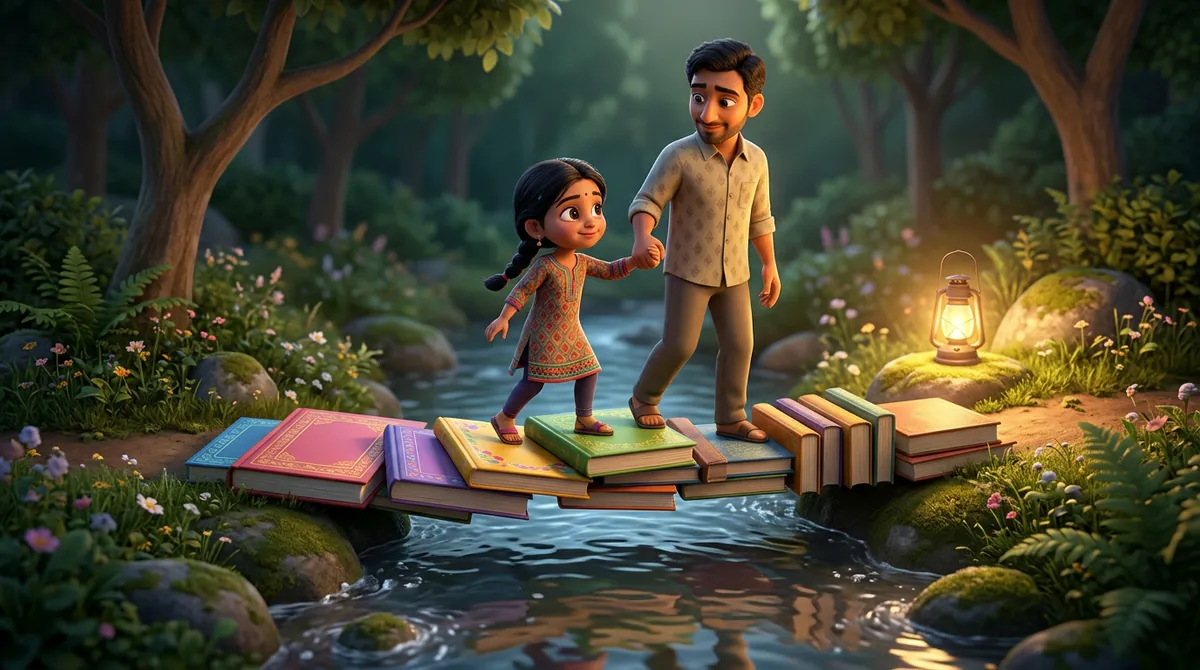
Most children are ready for chapter books between ages 6 and 8, once they can read an early reader on their own, follow a story over several days and ask "what happens next?". The best way to make the switch is gradual: read chapter books aloud first, start with short illustrated series, and keep picture books around as long as your child enjoys them.
Parents often worry that their child is "still" reading picture books. There is no race. Moving to chapter books too early can make reading feel hard and put a child off; moving at the right time makes them feel proud and grown-up.
Signs your child is ready
- They can read a simple early reader on their own, without stopping at every word.
- They sit through a longer story when you read aloud, and remember it the next day.
- They ask what happens next, or want "one more chapter".
- They are curious about the books older siblings or friends are reading.
If your child shows two or three of these signs, they are probably ready to try. If not, give it a few months; it is not a sign that anything is wrong.
How to make the switch
1. Read chapter books aloud first
Before your child reads chapter books alone, read them together. They get used to following a story across many pages, and they learn that chapter books are exciting, not just longer.
2. Start with short illustrated series
Early chapter books have big print, short chapters and a picture every few pages. A series is ideal: once a child knows the characters, each new book is easier to start.
3. Take turns reading
You read a page, they read a page. It halves the effort, keeps the story moving and lets you model expression and pace.
4. Use comics as a bridge
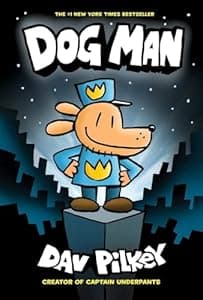
Graphic novels like Dog Man or Narwhal and Jelly let children follow longer stories with plenty of visual support. They are a bridge, not a detour.
5. Keep picture books around
Picture books are not babyish. Many have richer vocabulary than early chapter books. Let your child enjoy both for as long as they want.
Great first chapter books
- Magic Tree House by Mary Pope Osborne: short time-travel adventures, and dozens of books to continue with.
- Mercy Watson by Kate DiCamillo: a pig who loves hot buttered toast. Funny, short and full of pictures.
- Ivy + Bean by Annie Barrows: two very different girls become best friends.
- Dragon Masters by Tracey West: dragons, magic and short chapters for fantasy lovers.
- The Princess in Black by Shannon Hale and Dean Hale: a princess with a secret monster-fighting identity.
- Young Cam Jansen by David A. Adler: easy mysteries for young detectives.
- The Gopi Diaries by Sudha Murty: gentle stories told by a family dog, with an Indian setting.
Want first chapter books matched to your child? Our free book recommendation quiz asks about their age, interests and how they feel about reading, and picks seven books for them.
Once a first series clicks, the next step is reading it on their own. See how to get your child reading independently.
A free 1:1 reading session for your child
- Talks through a story
- Writes their own story
- Your report on WhatsApp
What if my child struggles?
Go back a step without making a fuss. Read the chapter book aloud, or return to picture books and comics for a while. Pressure is the fastest way to make a child dislike reading; we explain more in How to Motivate Your Child to Read Without Rewards or Punishments.
If you have ongoing concerns about your child's reading, talk to their teacher. And if you would like someone to read with them regularly, Bookstaken mentors do exactly that in 1:1 online sessions. You can book a free trial.
Questions parents ask
At what age should a child read chapter books?
Usually between 6 and 8, but anywhere from 5 to 9 is normal. Readiness matters more than age.
Is my 7 year old behind if they only read picture books?
Not necessarily. Many 7 year olds are still building fluency. Keep reading together, try an illustrated early chapter book, and talk to their teacher if you are worried.
What is the difference between early readers and chapter books?
Early readers are short books with controlled vocabulary for children learning to read. Chapter books tell a longer story over several chapters; early chapter books sit in between, with short chapters and lots of pictures.
More guides on this topic: Reading habits and confidence
Latest Articles
Want Your Child to Experience Books More Deeply?
Bookstaken pairs kids with caring mentors who turn reading into engaging conversations, inspiring them to eventually write their own stories.
Responses
No responses yet. Be the first to share your thoughts.
Love books yourself? Get paid to read with kids as a Bookbuddy
