How to Get Boys Reading (Without the Stereotypes)
What the reading gap really is, why it opens, and what helps: real choice, funny books, non-fiction, comics and readers to look up to.

At eight, your son read under the covers with a torch. At eleven, he says reading is boring, and the book on his bedside table hasn't moved in a month. His younger sister, meanwhile, is on her third book this week.
It's easy to decide it's just a boy thing. It isn't, quite. Boys can and do love reading. But there is a real gap, it tends to grow with age, and a few simple changes at home make a big difference.
In short
- The gap is real. In PIRLS 2021, a study of reading in 57 countries, girls outscored boys in almost every country. In the UK, the National Literacy Trust found the 2025 drop in reading enjoyment was especially steep among boys aged 11 to 16.
- It's rarely about ability. Many boys stop reading because the books on offer don't match what they enjoy, or reading stops feeling like something they do.
- Widen what counts: comics, non-fiction, sports stories and funny books are all real reading.
- Let them choose, and don't sort books into "for boys" and "for girls".
- Show them men who read: dads, grandfathers, uncles and older cousins.
What the gap looks like
PIRLS, the Progress in International Reading Literacy Study, tests children in their fourth year of school around the world. In 2021, fourth-grade girls had higher average reading scores than boys in almost all the countries taking part, by 16 points on average across the 43 countries tested at the end of the school year.
Enjoyment shows the same pattern. The National Literacy Trust's 2025 survey found that just 1 in 3 children and young people aged 8 to 18 enjoyed reading in their free time, and that the drop over the year was especially steep among boys aged 11 to 16. Girls also read daily more often than boys, and that gap had widened to 6.2 percentage points.
The gap is an average, not a rule. Plenty of boys read more than their sisters. But if your son has gone off books, he isn't alone.
Why boys often drift away from reading
- A narrow idea of reading. If "reading" means novels, a boy who loves football facts, comics or how things work may not think he's a reader at all.
- Books that don't fit. School reading lists may not match what he enjoys, and long novels can feel like work.
- Fewer reading role models. If the people a boy sees reading, at home and at school, are mostly women, he may decide reading isn't for him.
- What friends think. By 11 or 12, some boys worry that reading isn't cool.
- Strong competition. Games and videos are built to be hard to put down; a book needs a little more effort to get going.
What helps
1. Give real choice
Choice matters for every child. In Scholastic's Kids and Family Reading Report, 89% of children aged 6 to 17 said their favourite books were the ones they picked themselves (2019). Take him to a library or bookshop and let him choose, even if the choice surprises you.
2. Start with funny
Humour is one of the easiest ways back into books. Big Nate mixes short chapters with comic strips; Reading Is Fundamental lists it for ages 8 to 12. Billionaire Boy is a fast, illustrated story about the richest boy in the country who just wants a real friend; Books for Keeps gave it ages 8 to 10. See our list of funny books for kids.
3. Count non-fiction
Books about space, sharks, footballers, inventors and how things work are real reading. The Who Was? series has short biographies of scientists, athletes and leaders, with drawings and timelines; Penguin Random House lists them for ages 8 to 12. Try our non-fiction books for kids.
4. Welcome comics and graphic novels
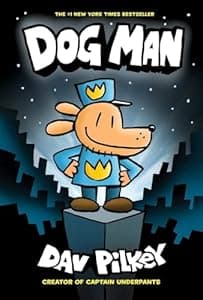
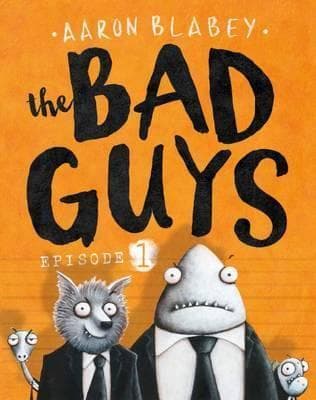
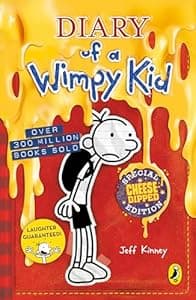
Graphic novels are real reading: a child has to follow the words and the pictures together, and they can be a bridge to longer books. See our graphic novels for kids and do graphic novels count as reading?
5. Follow the sport
A boy who lives for cricket or football will often read about it. Matt Christopher's sports novels each follow a young player facing a problem on the team; Hachette lists them for ages 8 to 12. Our sports books for kids list has more.
6. Give them action
For older boys, a fast plot with short chapters can be the hook. Stormbreaker, the first Alex Rider spy thriller, has chases, gadgets and a teenage hero; BookTrust gives it an interest age of 13+ and a reading age of 12+.
7. Let them see men reading
If a dad, grandfather or uncle reads where a boy can see, reading becomes something men do. Better still, read the same book and talk about it, or let him choose the book you read together.
8. Talk, don't test
"Which bit was the best?" invites a conversation. "What was the main idea of chapter 4?" feels like homework. Our questions to ask your child about a book are built for this.
9. Read for a reason
Instructions for a new game, a recipe he wants to cook, facts for a family trip: reading with a real purpose counts, and it shows that reading is useful.
10. Try audiobooks
Listening to a story in the car or before bed keeps a boy in books when reading feels like too much effort. See do audiobooks count as reading?
Drop the "boy books" label
Sorting books into "for boys" and "for girls" narrows choices for everyone. Boys can love books with girls at the centre, and stories about friendship, families and feelings, just as girls love adventure. Stories about kindness and being different, like Wonder, are for every reader. Let the story decide, not the cover.
Try reading with a mentor who follows their interests
- Talks through a story
- Writes their own story
- Your report on WhatsApp
By age
| Age | What helps |
|---|---|
| 6–8 | Funny early chapter books, comics, non-fiction about what they love, reading aloud together |
| 9–11 | Series, sports stories, biographies, graphic novels, a dad or grandparent reading the same book |
| 12–14 | Action and thrillers, real choice, audiobooks, books linked to games or films they like, talking without testing |
For keen readers and reluctant ones
In a Bookstaken session, your son reads a real book picked for his interests, whether that's cricket, space, mysteries or games, and talks it through one to one with a trained college mentor on Google Meet. He gives his own verdict on the book and defends it, then writes a story of his own, chapter by chapter. It works for boys who've gone off reading and for keen readers who want someone to talk books with.
After every session, you get a report on WhatsApp. The first 60-minute session is free. See how it works.
Questions parents ask
Why don't boys like reading as much as girls?
On average, boys enjoy reading less and read less often, and the gap tends to grow in the teenage years. Common reasons include a narrow idea of what counts as reading, books that don't match their interests, and fewer male reading role models. It's rarely about ability.
How do I get my son to read more?
Let him choose his own books, start with funny books, comics, non-fiction and sports stories, and let him see men in the family reading. Talk about books rather than testing him on them.
What books do boys like to read?
Whatever matches their interests. Funny illustrated books like Big Nate, short biographies like the Who Was? series, sports novels and fast thrillers like Stormbreaker are popular starting points, but let him choose.
Do graphic novels count as reading for boys?
Yes. Following the words and pictures together is real reading, and graphic novels can be a bridge to longer books.
At what age do boys stop reading?
There's no set age, but the National Literacy Trust found the 2025 drop in reading enjoyment was especially steep among boys aged 11 to 16. Keeping choice and enjoyment in reading before then helps.
Sources
- PIRLS 2021 International Results in Reading. Results by gender.
- National Literacy Trust (2025). Children and young people's reading in 2025.
- Scholastic (2019). Kids & Family Reading Report, 7th edition.
- Reading Is Fundamental. Big Nate: In a Class by Himself: ages 8–12.
- Books for Keeps. Billionaire Boy: ages 8–10.
- Penguin Random House. Who Was Albert Einstein?: ages 8–12.
- Hachette. The Lucky Baseball Bat: ages 8–12.
- BookTrust. Stormbreaker: interest age 13+, reading age 12+.
More guides on this topic: Reading habits and confidence
Latest Articles
Similar Articles
Want Your Child to Experience Books More Deeply?
Bookstaken pairs kids with caring mentors who turn reading into engaging conversations, inspiring them to eventually write their own stories.
Responses
No responses yet. Be the first to share your thoughts.
Love books yourself? Get paid to read with kids as a Bookbuddy
