
Books they won't put downBooks they won't put downFree list, picked just for themFree list, picked just for them
Eight ways to help, from planning and talking first to reading more and writing for a real reader, with what to expect at each age.

Start from your child, not a list. Match books to their interests, check the level, avoid five common mistakes and help them build a taste of their own.

Why some children read every word but can't tell you what happened, and seven calm ways to build understanding at home, from picturing the story to retelling it.

Help kids finish books without forcing it: improve book fit, reduce distractions, break reading into chunks, and build momentum with routines.

Why so many children groan at writing, seven things that help at home, and the signs that it's more than a dislike.
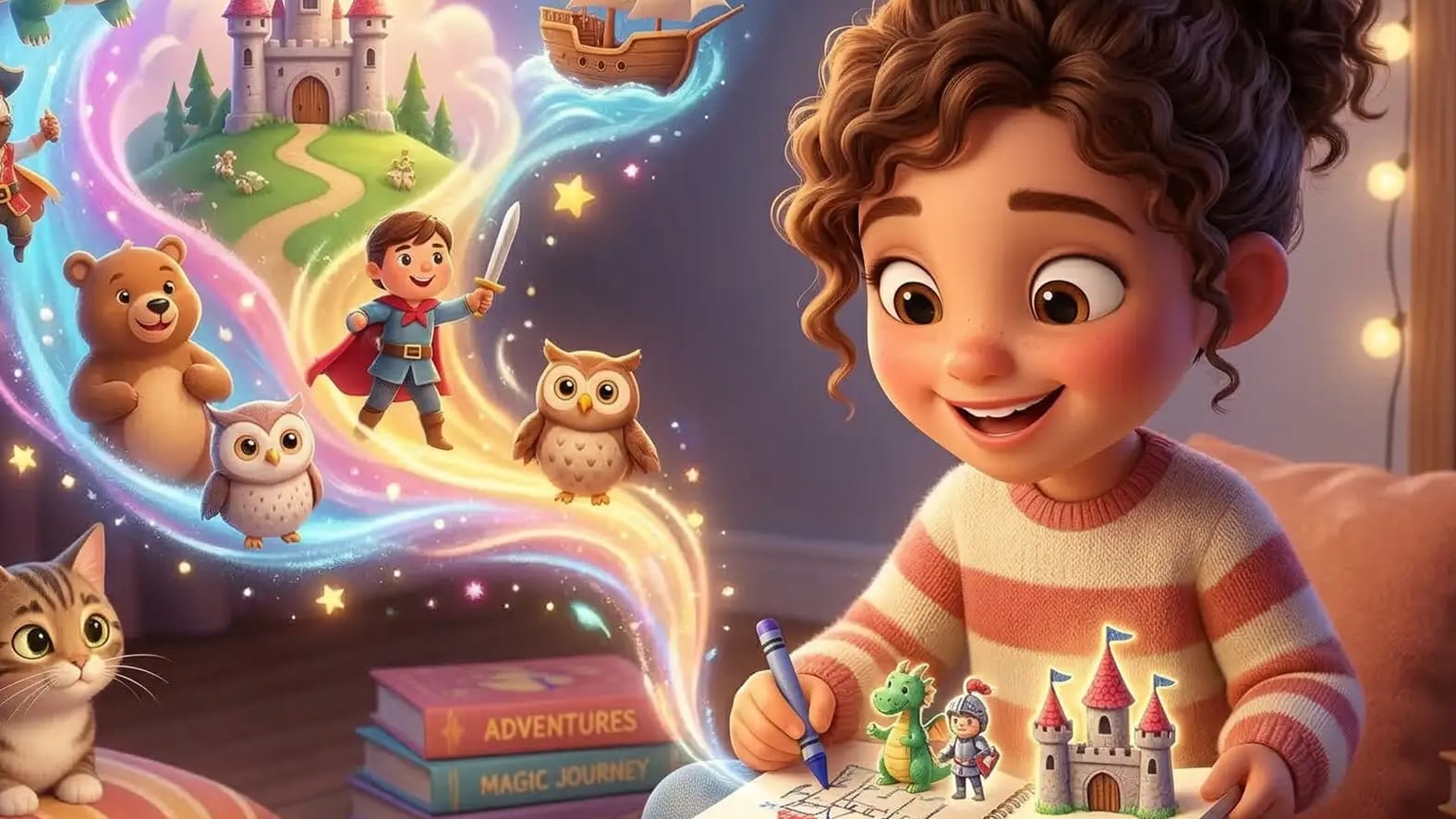
What brain studies found, why books feel hard after screens, and how to help your child reach for a book more often.

Why a mentor matters, where to find one, the safety checks to insist on, and the questions to ask before your child's first session.
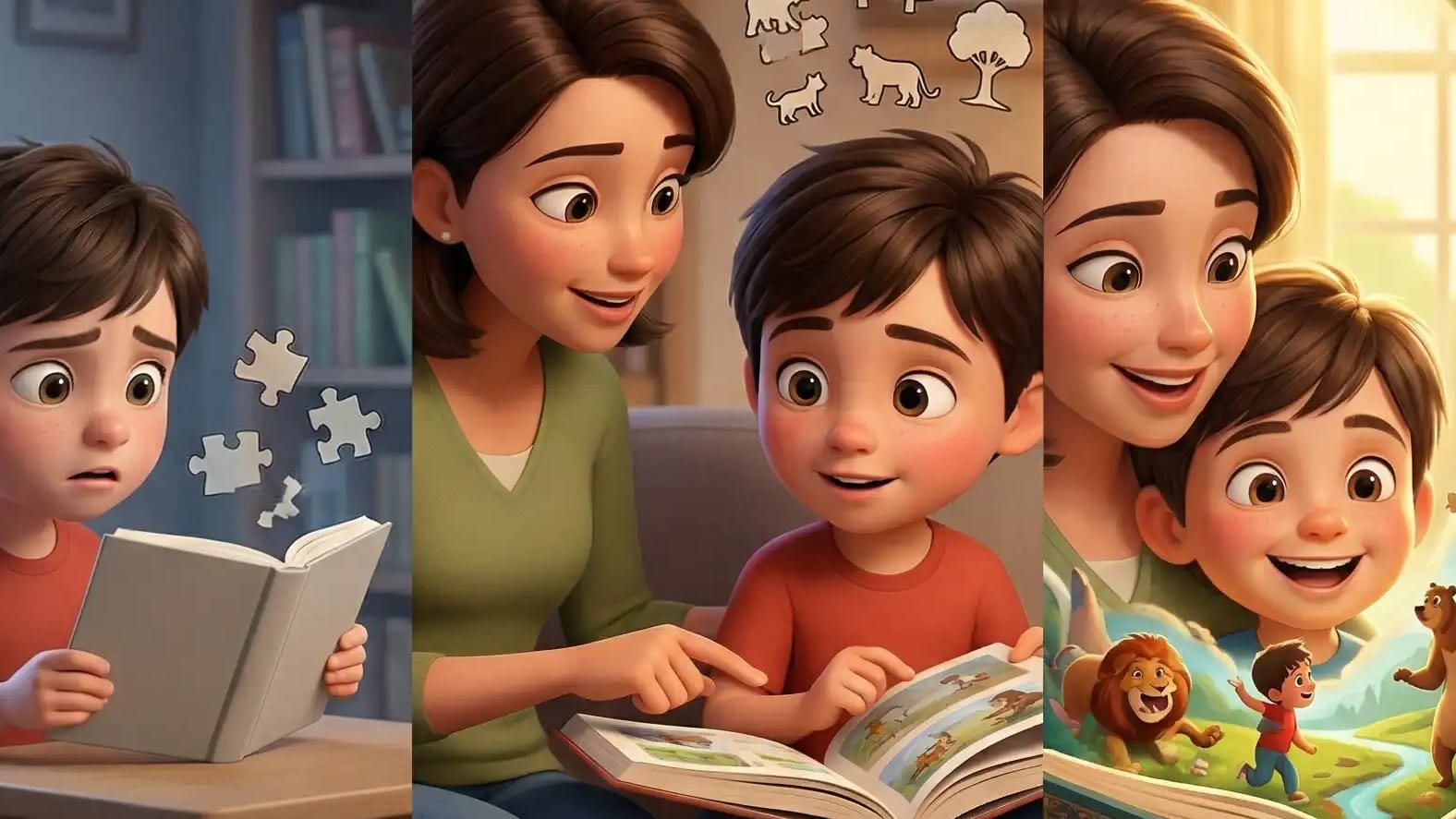
Learn simple ways to check if a book is the right level—so your child reads with flow, confidence, and enjoyment instead of frustration.

Signs to look for, what to say, how to help them find friends and someone to talk to, and when loneliness needs more help.

What executive function is, what to expect at each age from 6 to 14, and everyday games, routines and habits that help a child remember, plan and stay on track.
