Who to invite, how to choose the books, a first-meeting plan with timings, and how to keep every child talking.

What each genre gives a child, which kind of child it tends to suit, and how to widen a reader who only wants one kind of book.

Shyness is common and often a strength. How to help a shy or socially anxious child make friends at their own pace, what to say, and when shyness needs more support.
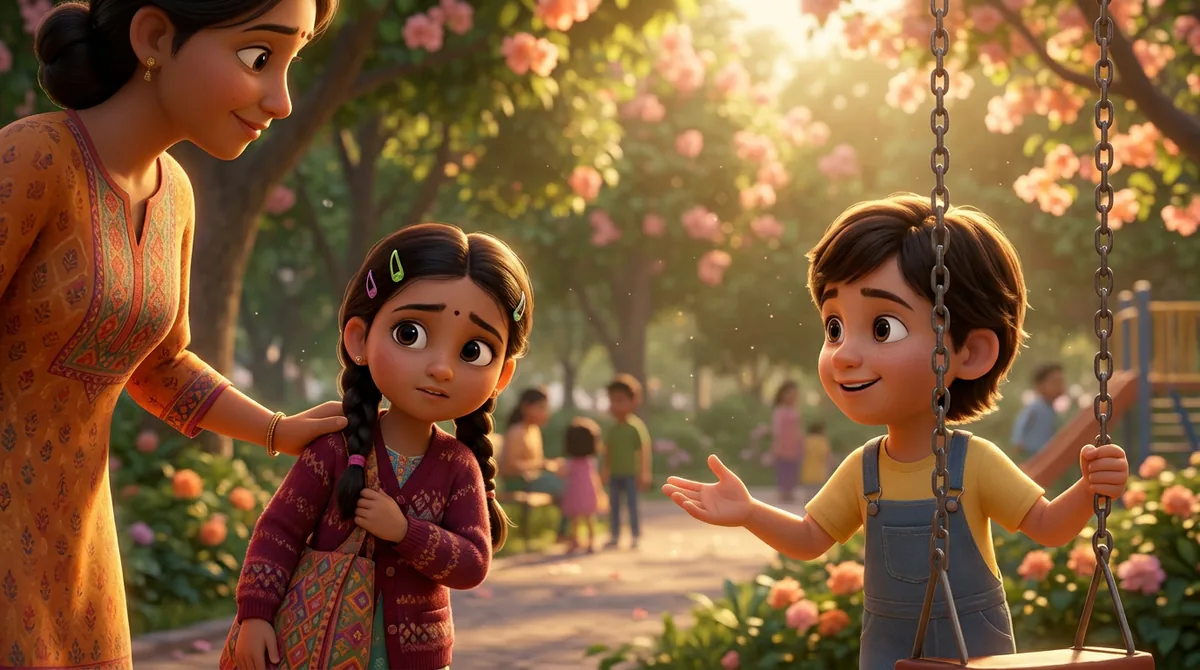
Signs to look for, what to say, how to help them find friends and someone to talk to, and when loneliness needs more help.
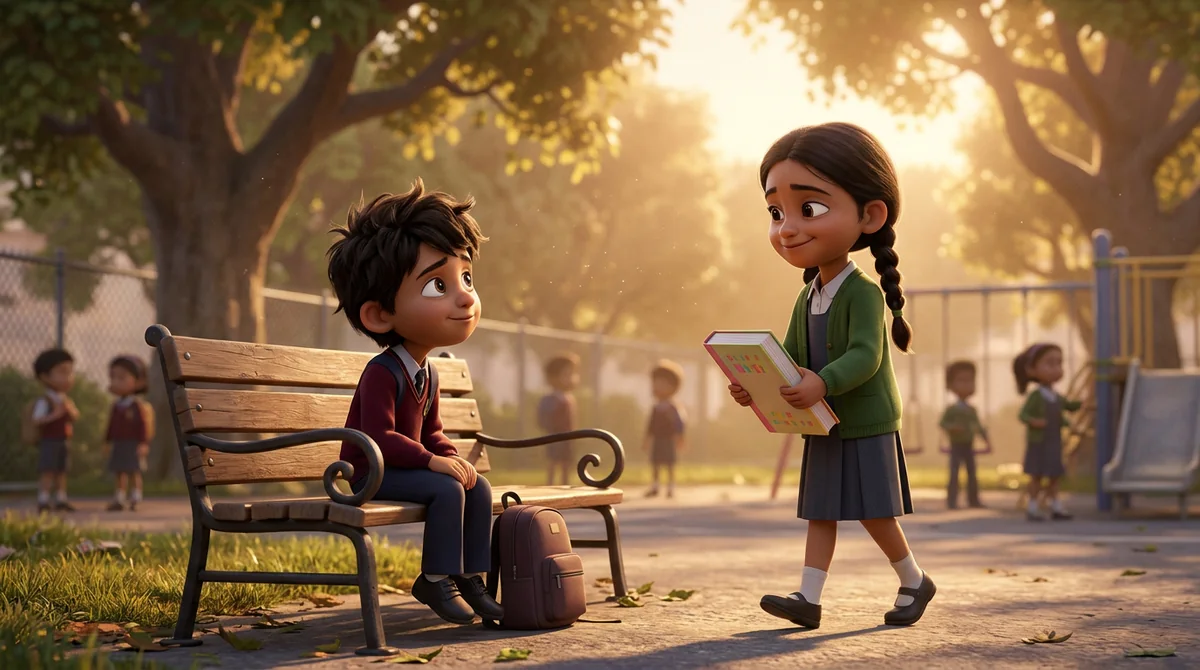
Panels, speech bubbles and a six-box story, comics to learn from with named ages, and what to do when your child says they can't draw.
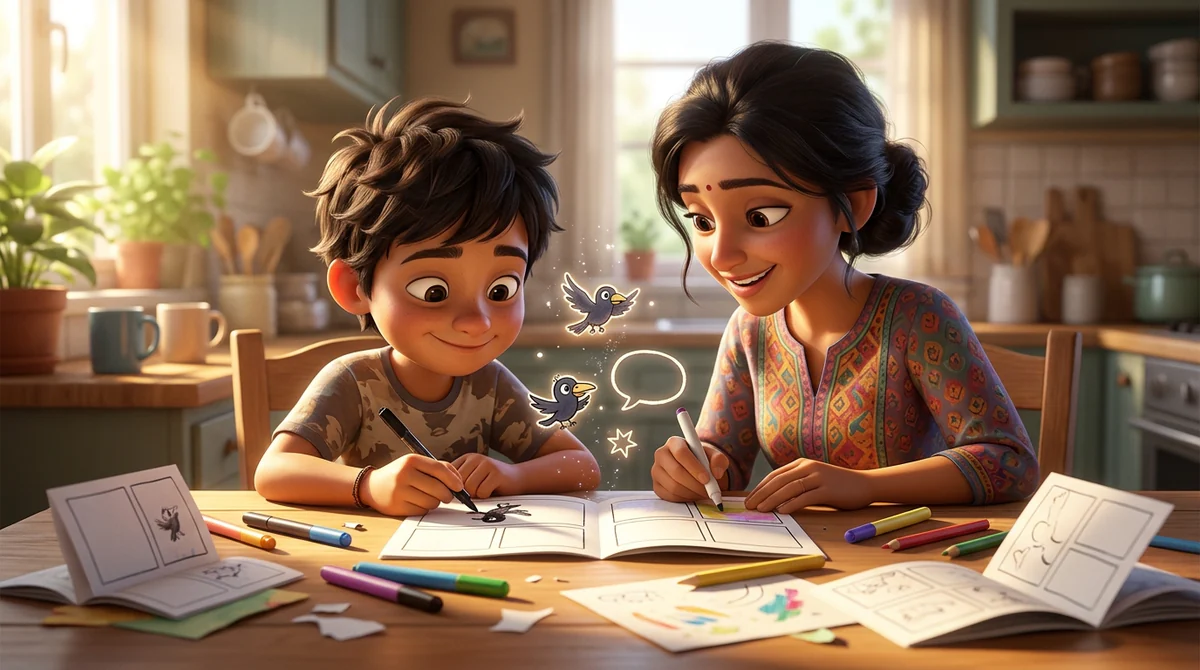
Only children aren't lonelier or more spoiled than others, but they do need a different plan for company, play and time alone. Practical ideas for ages 6–14.
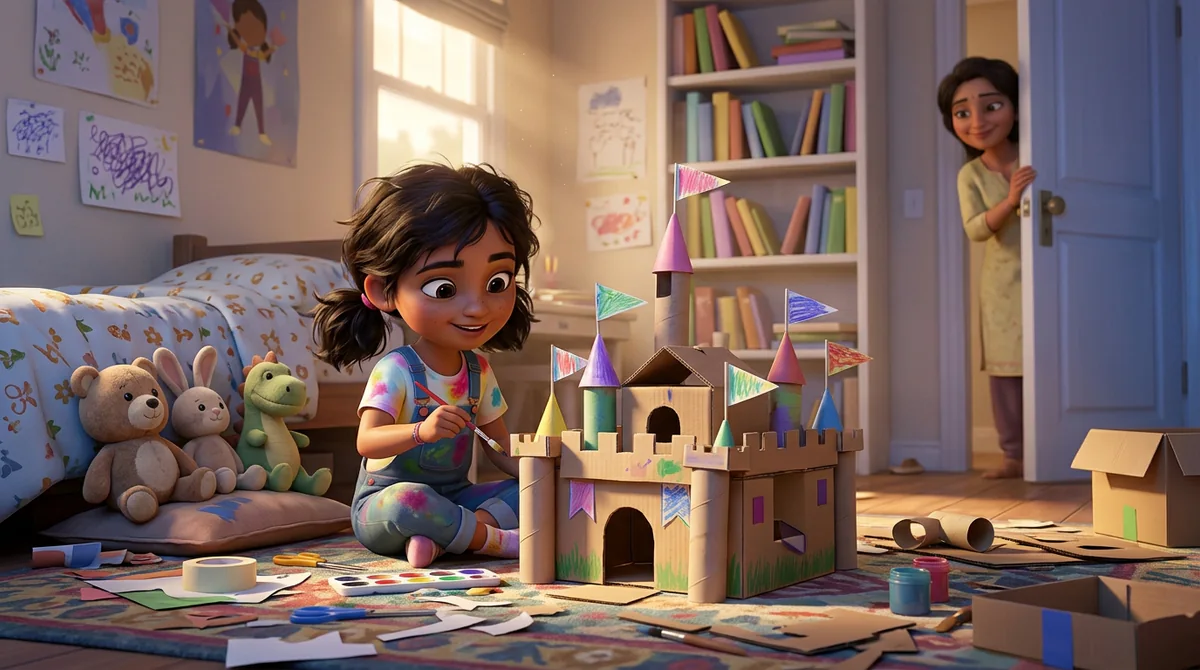
Quiet, anxious or not ready yet: how to tell the difference, eight steps that help, and 15 easy topics to practise with.
A parent's checklist for any class, app or activity, what different kinds of activity build, the warning signs to watch for, and how to plan a balanced week without overloading your child.
Help kids finish books without forcing it: improve book fit, reduce distractions, break reading into chunks, and build momentum with routines.

Why a mentor matters, where to find one, the safety checks to insist on, and the questions to ask before your child's first session.