How to Build a Home Library for Your Child (Even in a Small Space)
What research says about books at home, a starter shelf of 30, displays that get books read, and how to build it without spending much.
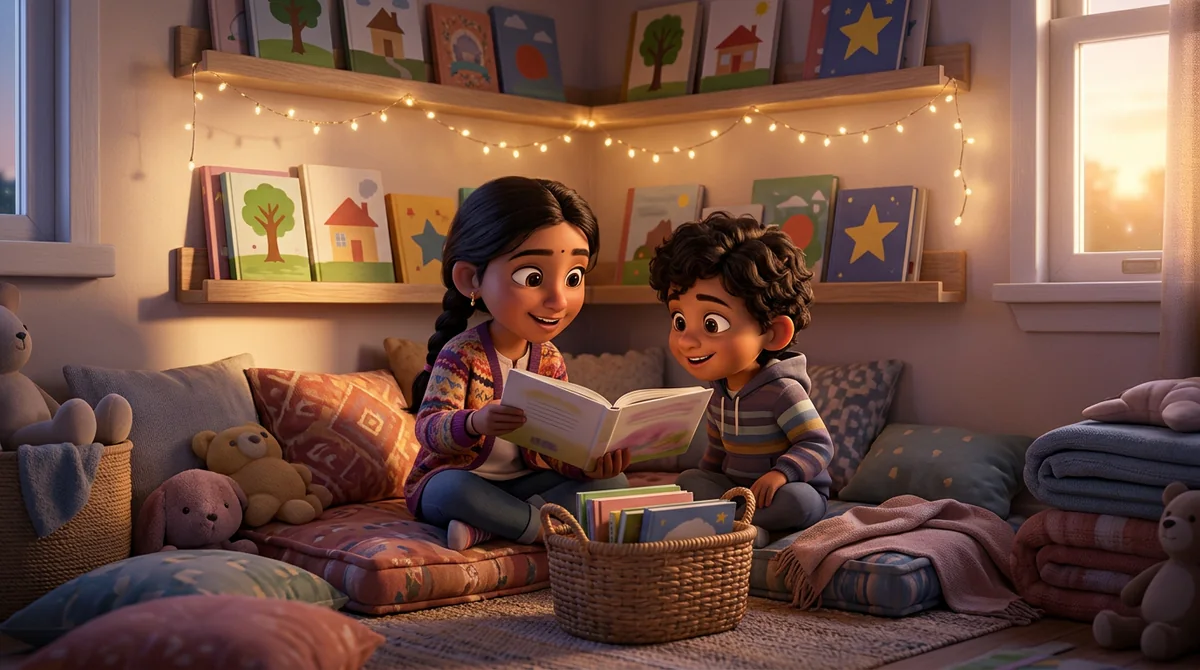
There's a basket of books by your child's bed. Most of them were gifts, a few are school readers, and the same three get picked every night. The rest sit at the bottom, spines hidden, forgotten.
A home library doesn't need a spare room, built-in shelves or a big budget. It needs the right books, where a child can see them and reach them, and a habit of adding to them. Here's what research says about books at home, and how to build a library that actually gets read.
In short
- Books at home matter. A study of 27 countries found children from homes with many books got about three more years of schooling than children from homes without books, whatever their parents' education or jobs (Evans and colleagues, 2010).
- The first books count most. A 31-country study found the biggest gains in adult skills came as smaller home libraries grew (Sikora and colleagues, 2019).
- Start with 30 good books, chosen across different kinds, and grow from there.
- Display covers facing out, keep books low, and rotate them every few weeks.
- Borrow and swap to keep it fresh without spending much.
What the research says
In a study of more than 70,000 people in 27 countries, children who grew up in homes with many books got about three more years of schooling than children from homes with no books, even after taking their parents' education, jobs and class into account. The authors found the advantage was about as large as having a university-educated parent rather than one with no schooling (Evans and colleagues, 2010).
A later study used survey data from adults in 31 societies. People who had grown up with more books at home as teenagers had stronger literacy, numeracy and problem-solving skills with technology as adults, beyond what their parents' education or their own education explained. The gains were biggest as smaller libraries grew, so the first shelf of books does more than the hundredth (Sikora and colleagues, 2019).
These studies can't prove that the books alone cause the difference; homes full of books are often homes full of talk and curiosity too. But they suggest something simple: having books around, and growing up among them, matters.
How many books does a child need?
There's no magic number, and the research suggests you don't need a huge collection. What matters most is getting from a few books to a good shelf of them, and keeping it growing. Start with around 30 and add a few each month, through gifts, swaps and the library.
A starter shelf of 30
Aim for variety, so there's something for every mood:
| Kind of book | How many | Why |
|---|---|---|
| Favourites to read aloud | 5 | Shared reading, and books a little above their level |
| Funny books | 5 | The easiest way to keep reading fun |
| Non-fiction | 5 | Space, animals, sport, how things work |
| First books in a series | 4 | If they love one, the next is ready |
| Poetry | 3 | Short, quick and perfect for dipping into |
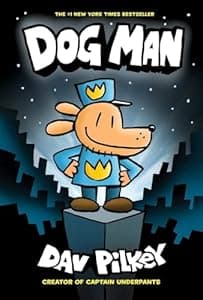
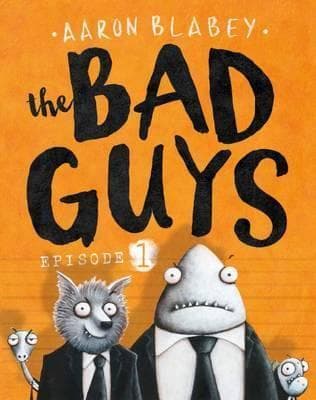
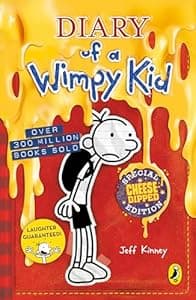
| Graphic novels and comics | 3 | Real reading, and a bridge to longer books |
| Myths and stories from India | 3 | Their own stories and traditions |
| A classic or two | 2 | Read aloud together first |
A few examples, with the publisher's age:
- For 6 to 8: Where the Sidewalk Ends, funny poems to dip into (Reading Is Fundamental: 6–8); Magic Tree House, a first series (Penguin Random House: 6–9).
- For 8 to 12: Big Nate, text and comic strips (Reading Is Fundamental: 8–12); the Who Was? biographies (Penguin Random House: 8–12); The Wild Robot (Hachette: 8–12); Charlotte's Web, to read aloud (Reading Is Fundamental: 8–12).
For more, see our lists of funny books, non-fiction, graphic novels and Indian books for kids, or try our book hunt for picks matched to your child.
Display books so they get read
- Covers facing out. Children choose by the cover. A spine-only shelf hides the books that might tempt them. A ledge, a rack or a book propped on a shelf works.
- Keep them low. Books a child can reach without asking are books they'll pick up.
- A basket in every room. One by the sofa, one by the bed, one in the car.
- Rotate. Put a few books away and bring them back in a month. Old books feel new again.
- Make a "just finished" spot where your child puts books they've read, ready to recommend to someone else.
Small spaces
A home library can be a single shelf. Try:
- wall ledges that show covers in very little depth;
- an under-bed box, rotated with the bedside basket;
- one basket per child, so each has their own collection;
- the back of a door, with a hanging organiser for slim books.
A free 1:1 reading session for your child
- Talks through a story
- Writes their own story
- Your report on WhatsApp
Building it without spending much
- Libraries. Borrow freely, and let your child choose. Many libraries also run reading events.
- Swaps. Trade books with friends, cousins and classmates; a box of outgrown books is someone else's treasure.
- Second-hand. Book fairs, sales and second-hand sellers are full of good children's books. Our guide to where to buy children's books in India has more ideas.
- Gifts. When relatives ask what to buy, suggest a book your child has chosen. See gifts for kids who love to read.
Make it theirs
- Put their name in their books with a sticker or stamp.
- Let them arrange their shelf, by colour, by favourite or however they like.
- Let them choose what goes in, and what goes out.
- Pass on outgrown books together, so the shelf keeps growing up with them.
What about e-books?
E-books and reading apps can add to a home library, especially for families who move often or live far from good bookshops. But a physical shelf is visible in a way a tablet isn't: books on show invite a child to pick them up. For more, see Kindle, tablet or paper.
Real books, picked for them
In a Bookstaken session, your child reads their own physical copy of a real book, not a screen, picked for their interests. They talk it through one to one with a trained college mentor on Google Meet, give their own verdict on it, and write a story of their own, chapter by chapter.
After every session, you get a report on WhatsApp. The first 60-minute session is free. See how it works.
Questions parents ask
How many books should a child have at home?
There's no magic number. Research across 31 countries found the biggest gains as small home libraries grew, so focus on getting a good shelf of around 30 varied books, then keep adding through gifts, swaps and the library.
Do books at home really make a difference?
Research suggests they do. A study of more than 70,000 people in 27 countries found children from homes with many books got about three more years of schooling than those from homes without books, whatever their parents' education or jobs.
How should I organise my child's books?
Keep them low, display some with the covers facing out, put a basket in more than one room, and rotate books every few weeks so old ones feel new.
How can I build a home library cheaply?
Borrow from the library, swap with friends and family, buy second-hand at fairs and sales, and ask relatives for books your child has chosen as gifts.
What books should be in a child's home library?
A mix: favourites to read aloud, funny books, non-fiction, first books in a series, poetry, graphic novels, stories from your own culture and a classic or two.
Sources
- Evans, M. D. R., Kelley, J., Sikora, J., & Treiman, D. J. (2010). Family scholarly culture and educational success: Books and schooling in 27 nations. Research in Social Stratification and Mobility, 28(2), 171–197.
- Sikora, J., Evans, M. D. R., & Kelley, J. (2019). Scholarly culture: How books in adolescence enhance adult literacy, numeracy and technology skills in 31 societies. Social Science Research, 77, 1–15.
More guides on this topic: Reading habits and confidence
Latest Articles
Similar Articles
Want Your Child to Experience Books More Deeply?
Bookstaken pairs kids with caring mentors who turn reading into engaging conversations, inspiring them to eventually write their own stories.
Responses
No responses yet. Be the first to share your thoughts.
Love books yourself? Get paid to read with kids as a Bookbuddy
