How to Get a Teenager to Read (Without a Fight)
Why reading often drops off at 12 to 14, and what brings it back: their choice, their interests, every format counting, phone-free time and someone to talk books with.

At nine, she read under the covers with a torch. At thirteen, the books on her shelf haven't moved in months. Ask about reading and you get a shrug, or a sigh, or "Books are boring."
If this sounds familiar, you're not alone, and it isn't too late. Teenagers still read when reading feels like theirs. The trick is to stop pushing and start handing over.
In short
- The drop is common. The UK's National Literacy Trust found that in 2025 just 1 in 3 children and young people aged 8 to 18 enjoyed reading in their free time, with an especially steep fall among boys aged 11 to 16.
- Hand over the choice. Teenagers read what they choose, not what they're told.
- Start from what they care about: sport, games, music, a cause, a show they love.
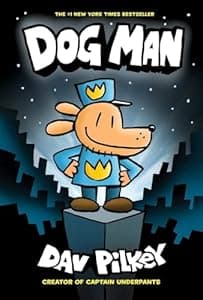
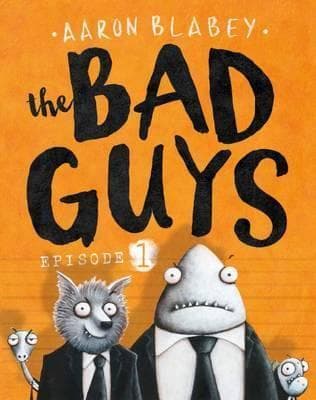
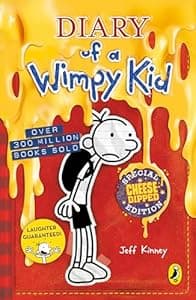
- Let everything count: graphic novels, non-fiction, audiobooks, articles, poetry.
- Protect some phone-free time, especially at bedtime.
- Give them someone to talk books with, who isn't checking up on them.
Why teenagers stop reading
- Less time. Homework, tuition, sport and exams fill the week.
- Phones. Short videos and messages are always one tap away. See what research says about brain rot.
- Reading feels like school. Set texts, comprehension questions and reading logs can make reading feel like homework.
- They've outgrown children's books but haven't yet found what's next.
- It doesn't feel cool. If friends don't read, admitting you do can feel risky.
What brings them back
1. Hand over the choice
Take them to a bookshop or library and let them choose, with no comments on what they pick. A teenager reading a graphic novel they chose is doing more for their reading than one ignoring a classic you chose.
2. Start from what they care about
A football fan might read a player's memoir. A gamer might like a fantasy series with a quest. A teenager who cares about climate or fairness might read non-fiction about it. Ask what they're into, then find the book.
3. Let every format count
Graphic novels, non-fiction, poetry, magazines, long articles and audiobooks are all reading. See do audiobooks count as reading? and do comics count as reading?
4. Make reading social
Teenagers care what their friends think. A book a friend recommended, a series everyone's talking about, a film adaptation coming out, or a small book club can make reading feel like something they do, not something done to them.
5. Protect phone-free time
You don't need to ban phones. Agree one window a day, such as the last half hour before sleep, with phones charging outside the bedroom. Put a book within reach.
6. Read the same book
Read the book they're reading, or the one they've just finished. Then talk about it as equals: what you'd have done, which character annoyed you. No quiz.
7. Leave books around
A new book on the kitchen table, with no comment, gets picked up more often than one that comes with a speech.
8. Let them see you read
Teenagers notice what adults do more than what they say.
What to avoid
- Forcing set texts for fun reading. School reading is one thing; free reading should be free.
- Judging their choices. "That's too easy" or "that's rubbish" ends the conversation.
- Reading logs and rewards. They can turn reading into a chore. See motivating children to read without rewards.
- Reading as a punishment. "No phone, go and read" teaches that reading is what happens when the good things are taken away.
Is my teenager ready for young adult books?
Young adult books are written for older teenagers and can include darker themes, violence and romance. Many 12- to 14-year-olds read them, but it's worth checking each book. See middle grade vs young adult books and how to check if a book is age-appropriate.
Try reading with a mentor who follows their interests
- Talks through a story
- Writes their own story
- Your report on WhatsApp
Starting points, with named ages
- The Hunger Games: Scholastic lists it for ages 12 and up. Gripping, violent, and full of things to argue about.
- Stormbreaker: BookTrust gives an interest age of 13+ and a reading age of 12+. A teenage spy thriller, the first Alex Rider book.
- The Crossover: BookTrust gives an interest age of 10–14. Basketball, family and grief, told in fast poems.
- Brown Girl Dreaming: Publishers Weekly gave it ages 10 and up. A memoir in verse about finding your voice.
- The Hobbit: BookTrust gives an interest age of 8+ and a reading age of 10+. A gateway to fantasy for a reader who likes quests.
- Animal Farm: written for adults, and published by Penguin without a children's age band. Short, and good for a teenager who likes an argument.
For more, see our picks for 13-year-olds and 14-year-olds, or try our book hunt.
By age
| Age | What helps |
|---|---|
| 12 | Series and graphic novels they choose, books tied to their hobbies, reading alongside a film or show |
| 13 | Their own picks with no comments, books friends recommend, audiobooks for busy weeks |
| 14 | Non-fiction about causes they care about, young adult books checked together, talking about books as equals |
Someone to talk books with
Many teenagers will talk about a book with someone a few years older long before they'll talk about it with a parent. In a Bookstaken session, your child talks through a real book picked for their interests with a trained college mentor, one to one on Google Meet. They give their own verdict on it and write a story of their own, chapter by chapter. Sessions are for ages 6 to 14.
After every session, you get a report on WhatsApp. The first 60-minute session is free. See how it works.
Questions parents ask
How do I get my teenager to read more?
Let them choose what they read, start from their interests, count graphic novels, non-fiction and audiobooks, and protect a phone-free window each day. Talking about books as equals, without quizzing, helps too.
Why has my teenager stopped reading?
Busier weeks, phones, school reading that feels like homework and outgrowing children's books are common reasons. The National Literacy Trust found reading enjoyment fell especially steeply among boys aged 11 to 16 in 2025.
Should I force my teenager to read?
Forcing tends to backfire. Agree a phone-free window, make good books easy to reach and let them choose what to read. Choice is what turns reading back into something they want to do.
What books are good for a teenager who doesn't like reading?
Graphic novels, fast thrillers like Stormbreaker, novels in verse like The Crossover, and non-fiction about their interests. Short chapters and a gripping first page matter more than the reading level.
Do audiobooks count as reading for teenagers?
Yes. Listening is still following a whole story, with all its words and ideas. Audiobooks also fit busy weeks, journeys and tired evenings.
Sources
- National Literacy Trust (2025). Children and young people's reading in 2025.
- Scholastic. The Hunger Games, ISBN 9780439023528.
- BookTrust: Stormbreaker, The Crossover, The Hobbit.
- Publishers Weekly. Brown Girl Dreaming.
More guides on this topic: Reading habits and confidence
Latest Articles
Similar Articles
Want Your Child to Experience Books More Deeply?
Bookstaken pairs kids with caring mentors who turn reading into engaging conversations, inspiring them to eventually write their own stories.
Responses
No responses yet. Be the first to share your thoughts.
Love books yourself? Get paid to read with kids as a Bookbuddy
