What changes between the two shelves, the signs your child is ready, and how to say yes safely.

Listening builds the understanding side of reading, not the decoding side. How to use audiobooks so they help your child's reading instead of replacing it.

Why reading often drops off at 12 to 14, and what brings it back: their choice, their interests, every format counting, phone-free time and someone to talk books with.

Twenty ideas that make reading cosier, more their own and easier to share, with a quick guide by age and budget.

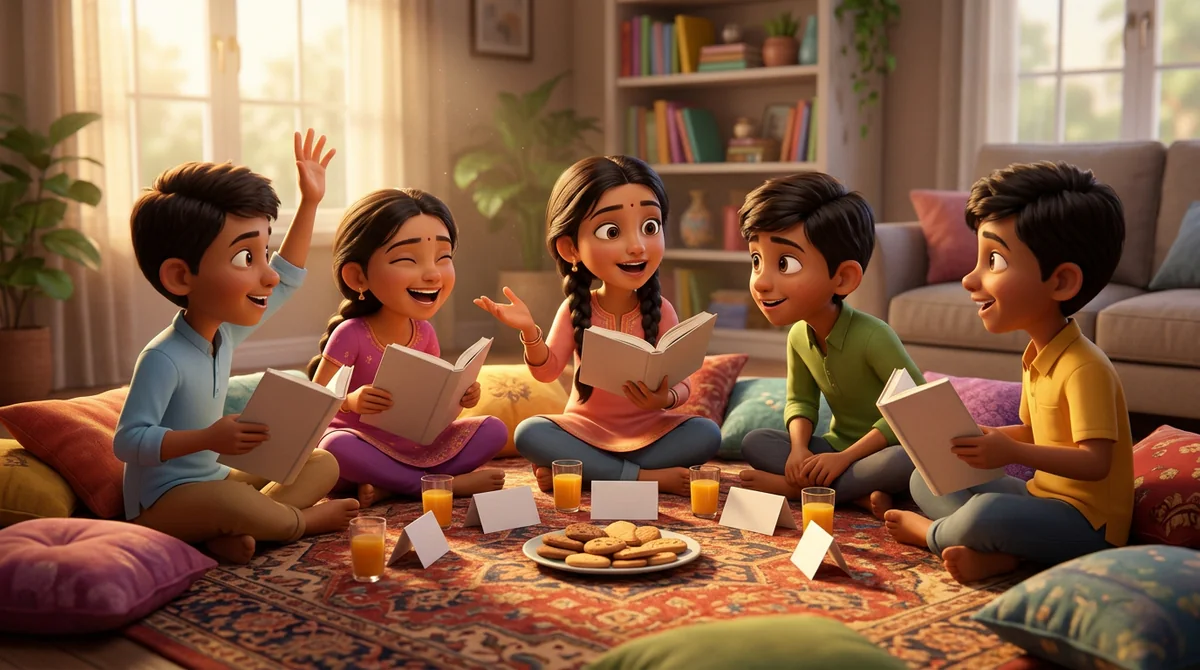
Who to invite, how to choose the books, a first-meeting plan with timings, and how to keep every child talking.
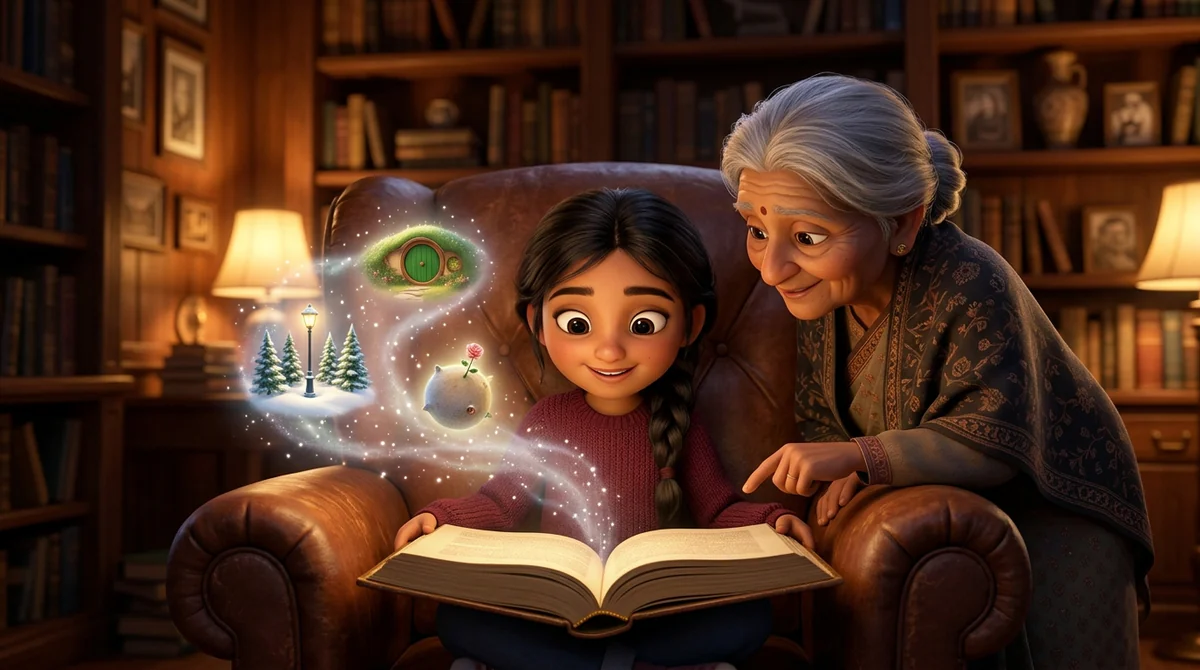
Why classics feel hard, the difference between abridged, retold and original, and which classics to share at each age.
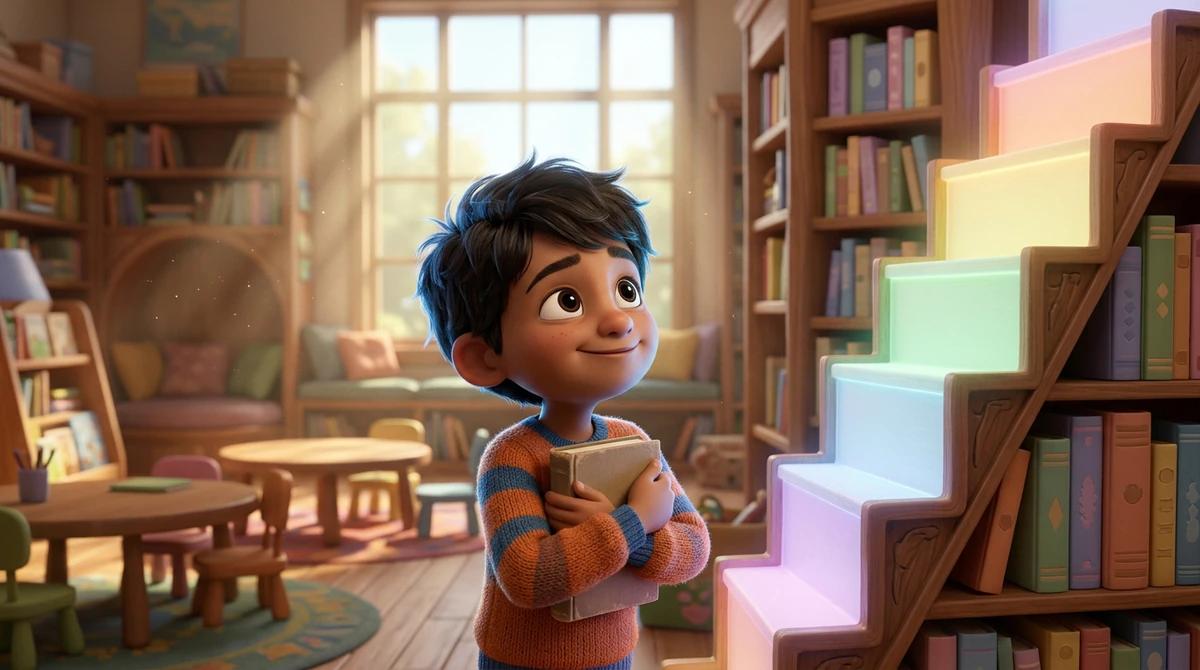
What each number on your child's book means, and the one thing none of them can tell you.
What each award is for and who picks the winners, award winners children actually enjoy (with ages from named sources), and how to use award lists without being ruled by them.
Death, war and violence in children's books: what to know before they start, what to say after, and when to pause.
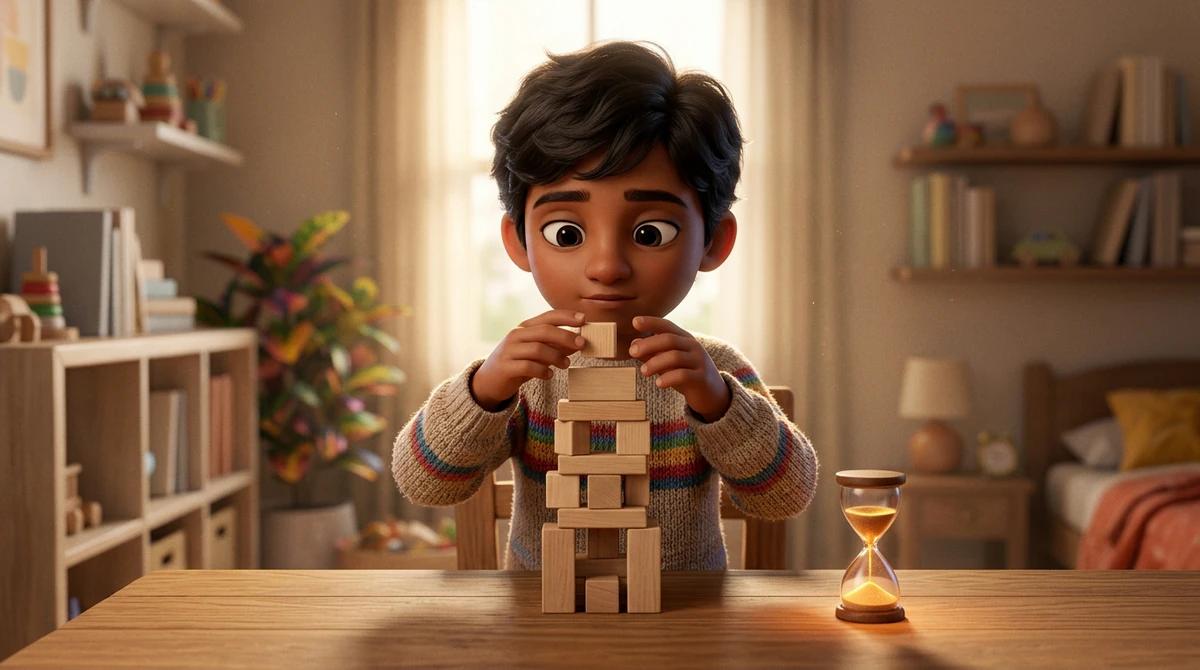
How long children can really focus at each age, why it feels harder today, and the habits and activities that build concentration.