The skills employers and schools expect to matter most as AI spreads, what each one looks like in a child aged 6 to 14, and simple everyday ways to build them, most of which start with a book and a conversation.
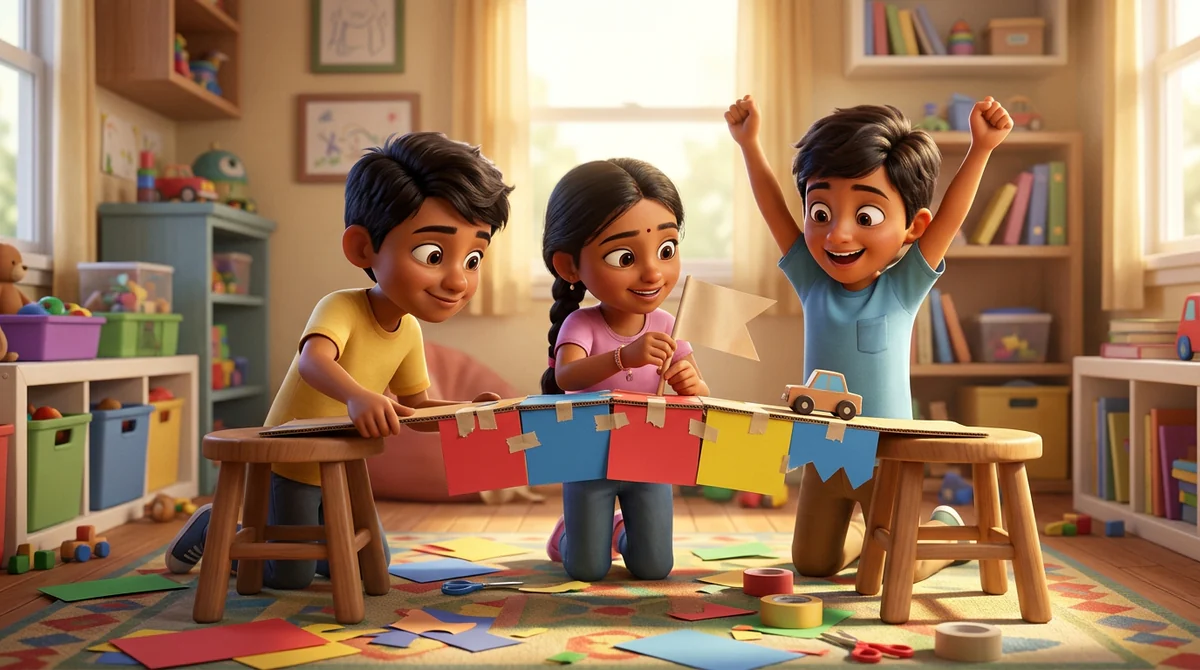
A parent's checklist for any class, app or activity, what different kinds of activity build, the warning signs to watch for, and how to plan a balanced week without overloading your child.
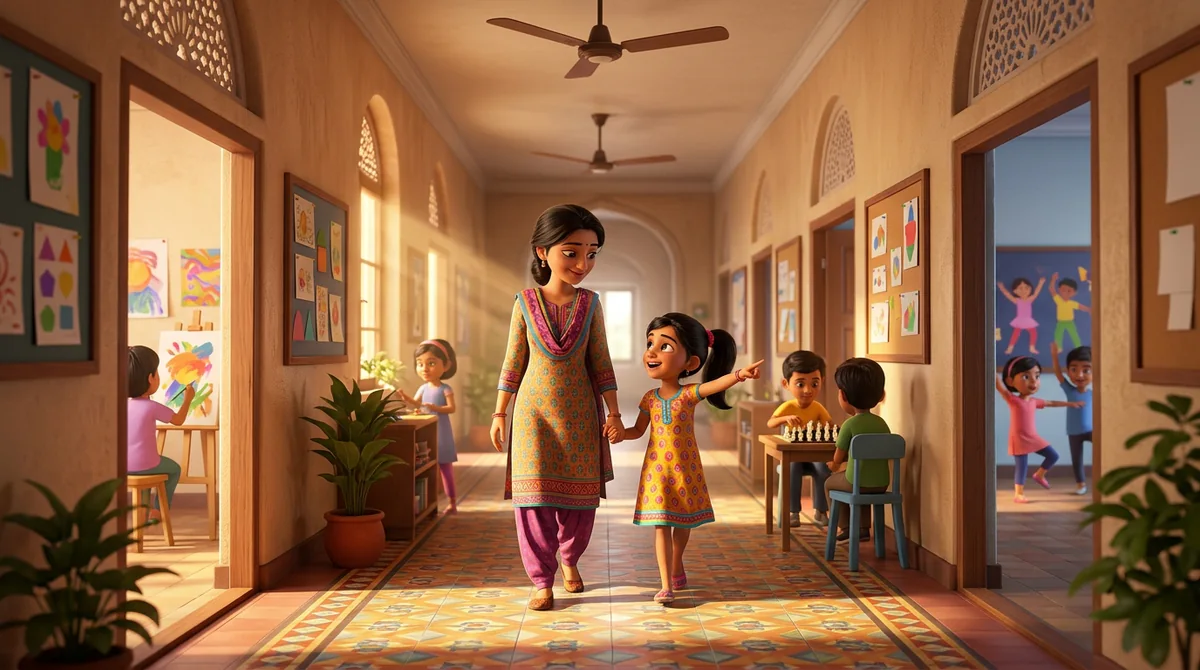
What is really changing in work and school, what AI can't do for your child, and exactly what to give them now, from real books and daily conversation to hard problems, other people and simple rules for AI.
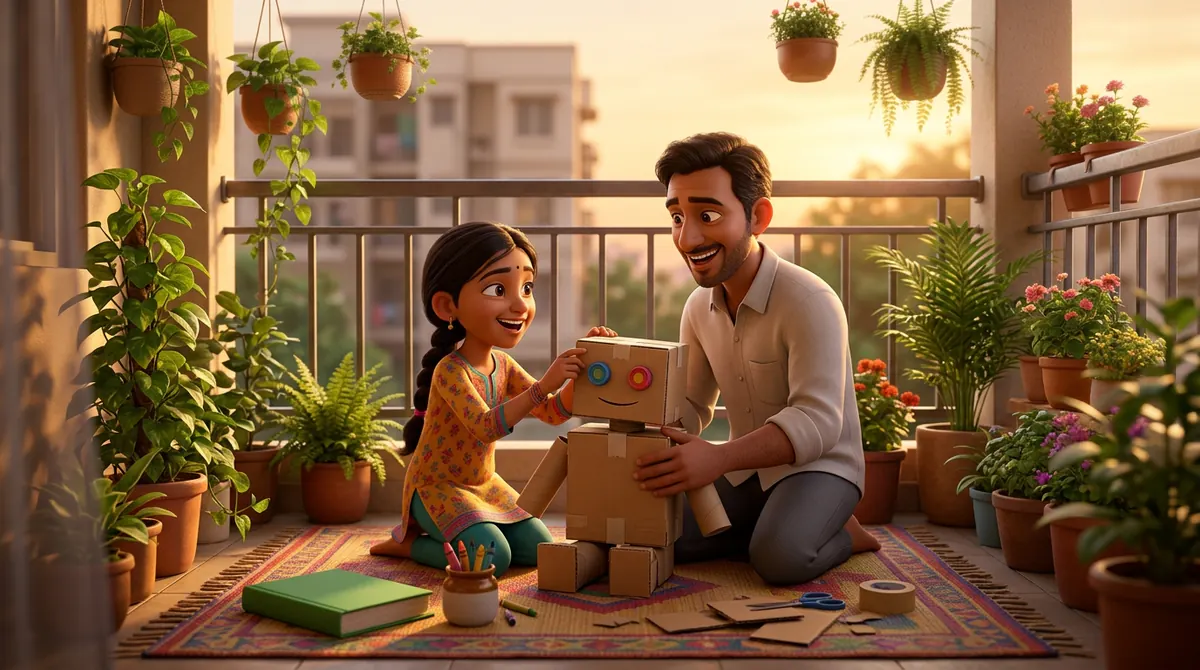
Fifty classic riddles from easy to hard, "what am I?" riddles, riddles about favourite books, and how to help your child make up their own.
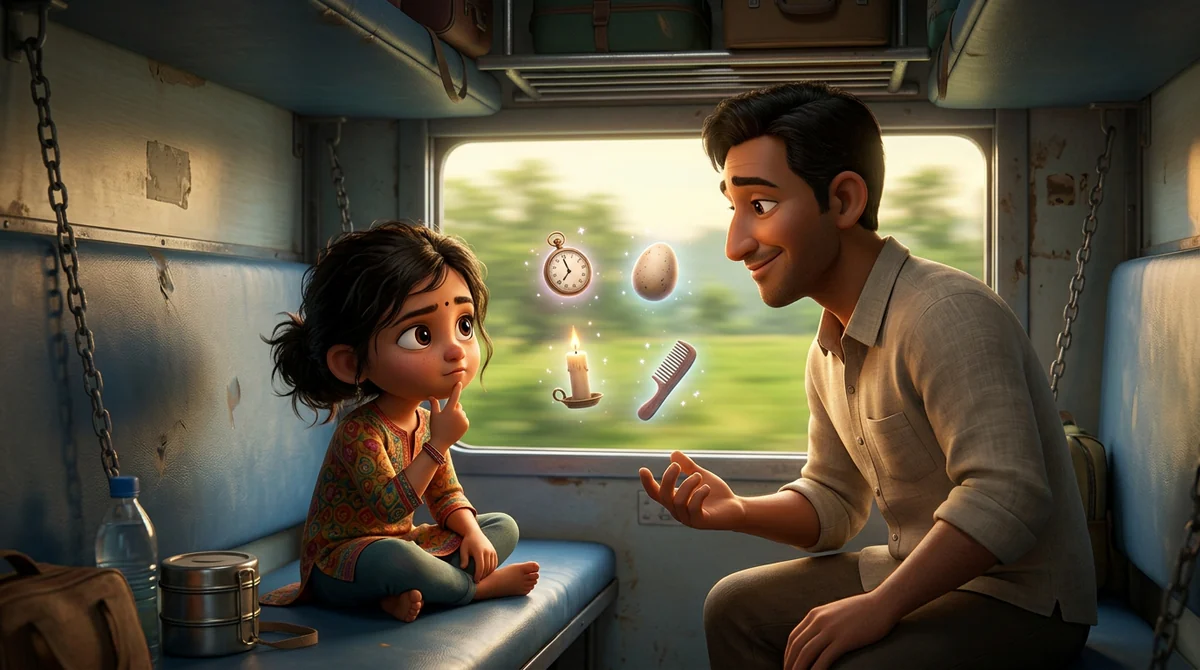
What each genre gives a child, which kind of child it tends to suit, and how to widen a reader who only wants one kind of book.
Reading sparks imagination and helps kids learn story structure. Discover simple ways to turn young readers into confident storytellers and creative writers.
Why a summary is not the same as reading the book, how deep reading and writing build the judgement children need to use AI well, and how to keep real reading going alongside new tools.
Comics and graphic novels are real reading. What the research says about how they build inference and vocabulary, and how to move from comics to longer books without taking the comics away.
Wondering when kids should start reading? Learn typical reading milestones by age and how to support early literacy without pressure or comparison.