Why some children give up at the first hard moment, what to say instead of "just try harder", and how a hard book, or a hard page, can become practice in sticking with it.
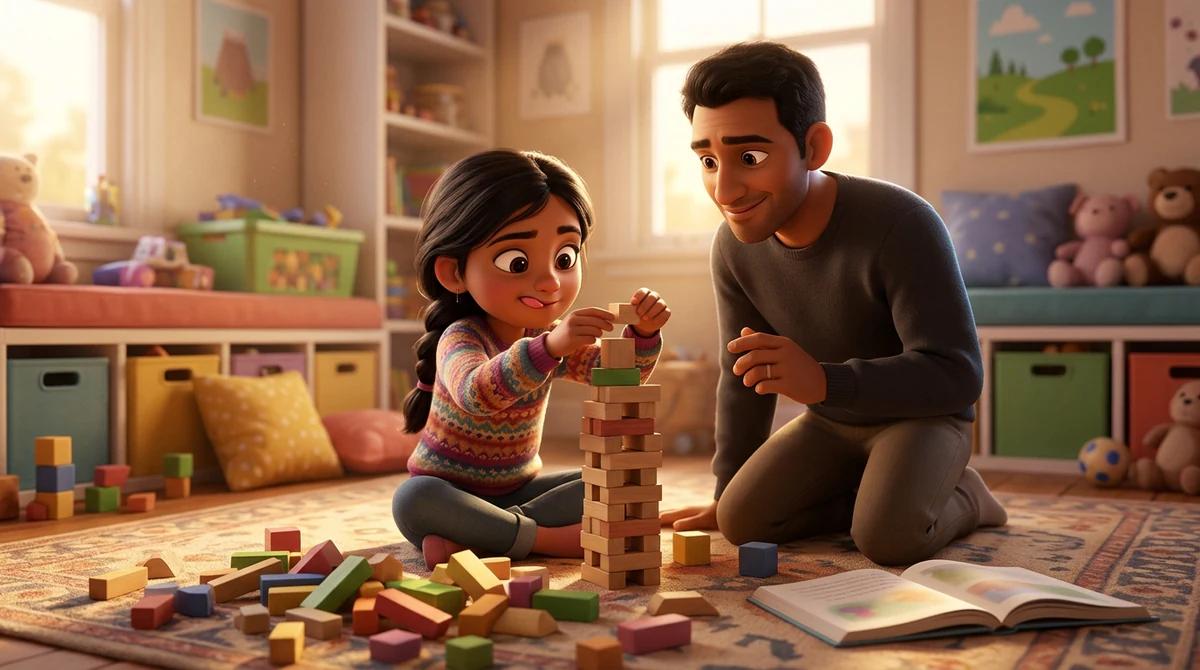
Ready-to-use words for the moments your child says "I can't do it", "I'm stupid" or "I give up", what the research really says, and how to praise in a way that helps.
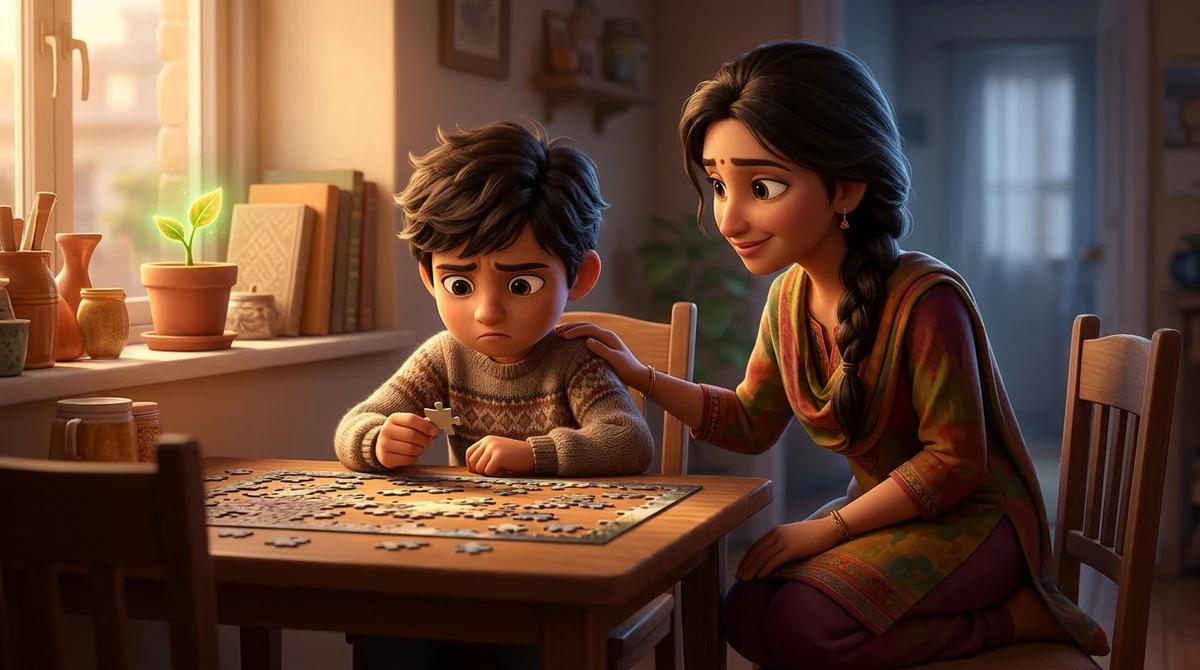
The skills employers and schools expect to matter most as AI spreads, what each one looks like in a child aged 6 to 14, and simple everyday ways to build them, most of which start with a book and a conversation.
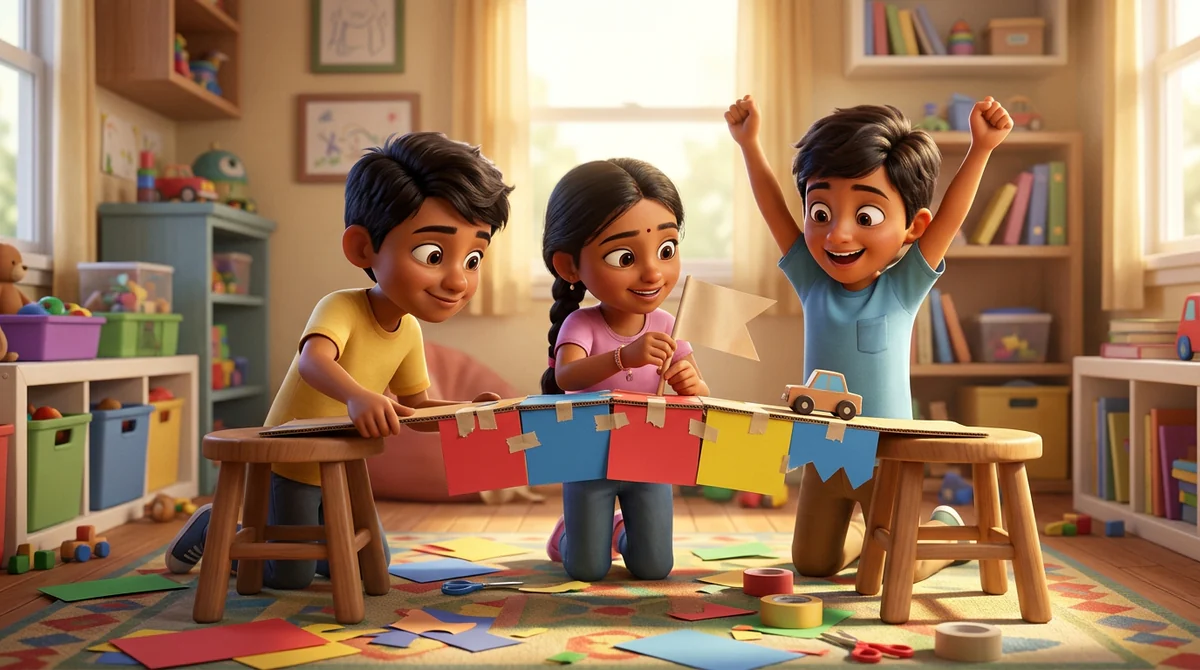
Ten everyday habits, a 10-minute daily routine and the mistakes to avoid, without giving up your home language.
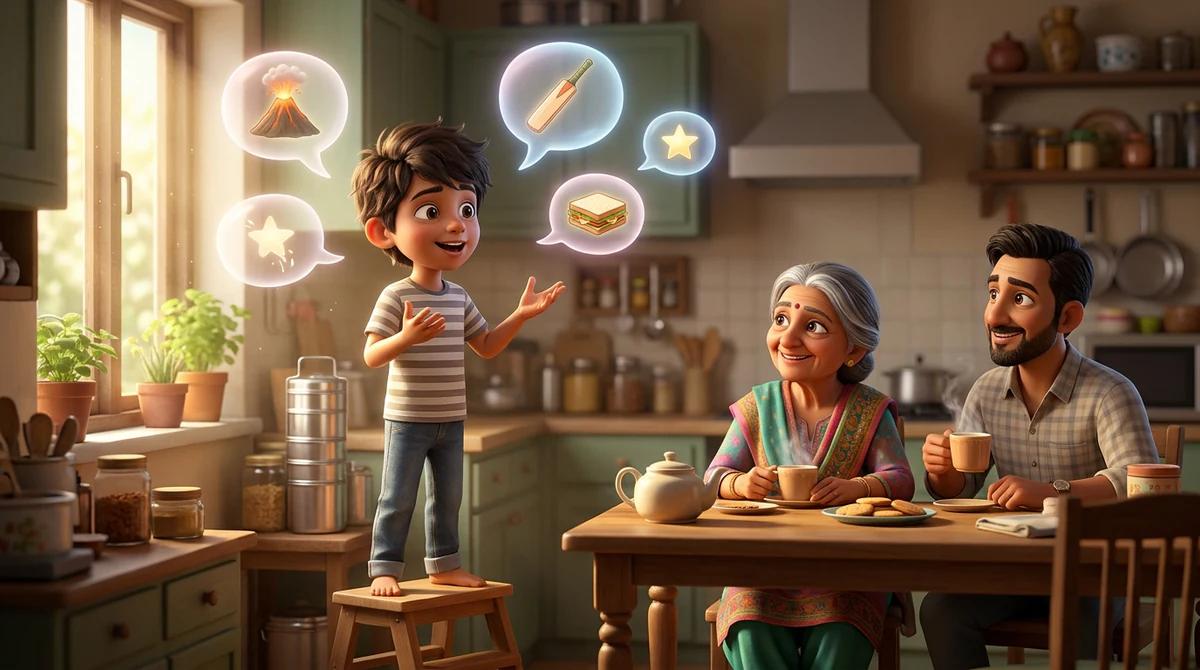
Quiet, anxious or not ready yet: how to tell the difference, eight steps that help, and 15 easy topics to practise with.
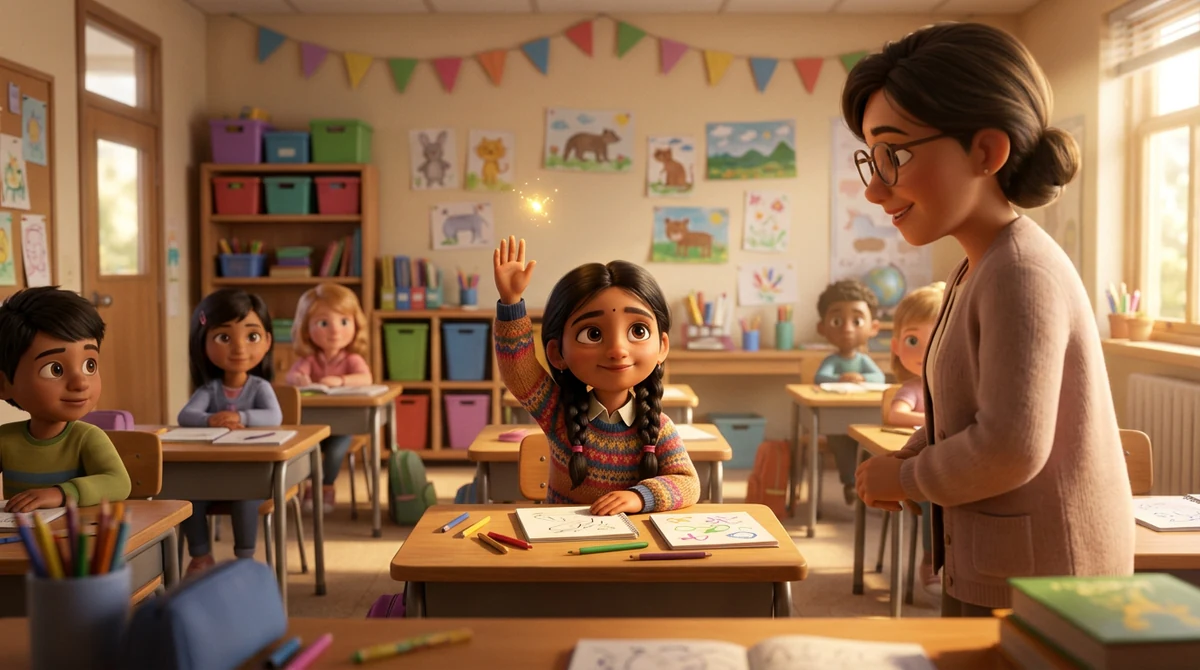
Why some children read every word but can't tell you what happened, and seven calm ways to build understanding at home, from picturing the story to retelling it.

Words for feelings, talking side by side instead of face to face, phrases that open a conversation, and characters in books as a safe way in.

Eight ways to help, from planning and talking first to reading more and writing for a real reader, with what to expect at each age.
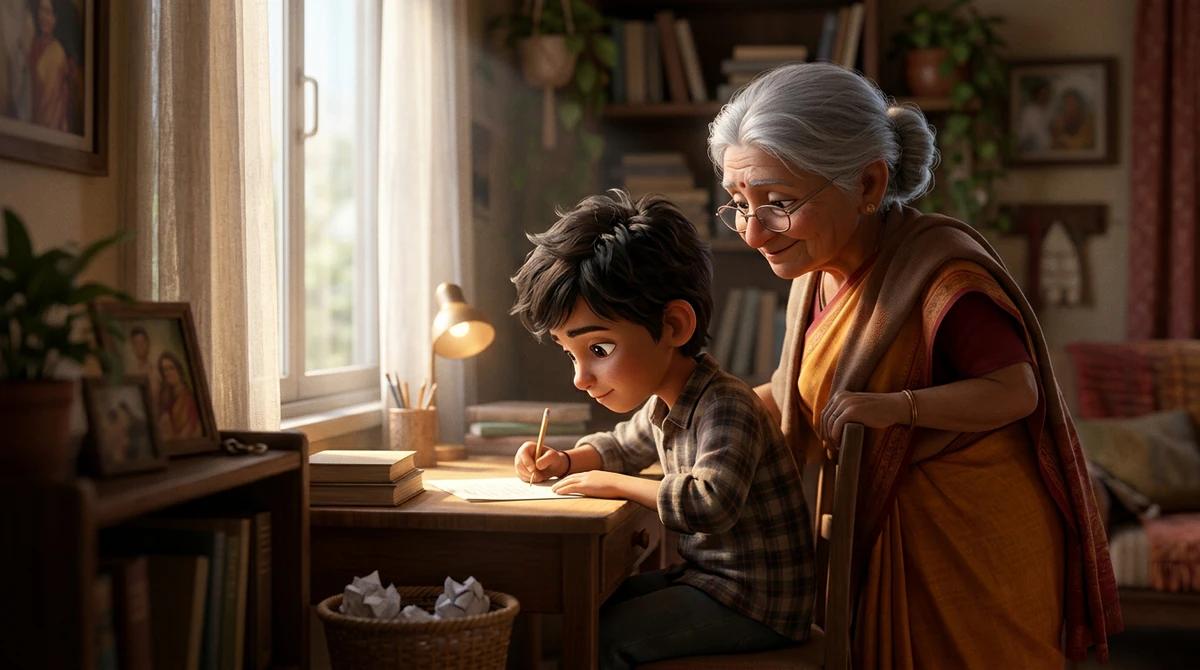
Small, daily and tied to something that already happens. How to make reading part of your child's day, and how to restart when the routine slips.

Wondering when kids should start reading? Learn typical reading milestones by age and how to support early literacy without pressure or comparison.