Short, daily, child-led time that fits a busy week: 30 ideas for talking, playing, making, moving and reading together, what works at each age, and how to keep phones out of it.

Only children aren't lonelier or more spoiled than others, but they do need a different plan for company, play and time alone. Practical ideas for ages 6–14.
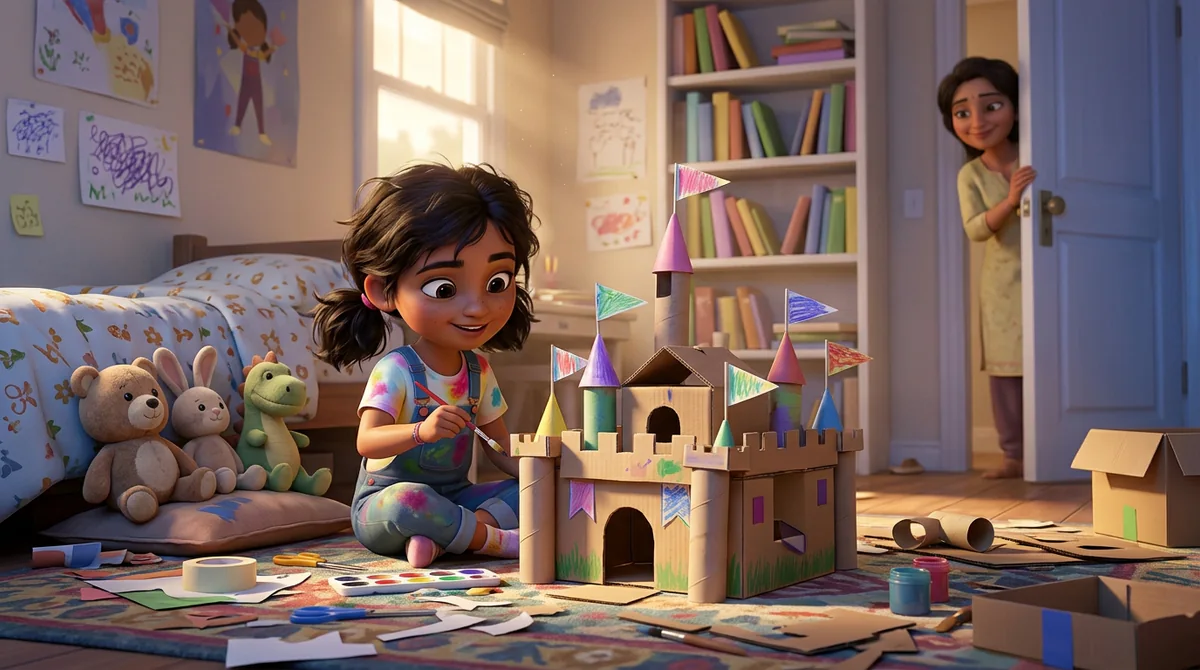
Classes, tuition, sport and music can leave a child with no time to just be a child. The signs of an overscheduled child, how to decide what stays, and how much free time children need.
Panels, speech bubbles and a six-box story, comics to learn from with named ages, and what to do when your child says they can't draw.

Death, war and violence in children's books: what to know before they start, what to say after, and when to pause.

What each genre gives a child, which kind of child it tends to suit, and how to widen a reader who only wants one kind of book.

Why some children stop after two pages, and a simple plan to help them read for longer, a minute at a time.

Eight ways to help, from planning and talking first to reading more and writing for a real reader, with what to expect at each age.
Confidence with the words and confidence with ideas. How to give your child easy wins, praise that helps, and a way to read aloud without the fear.
What brain studies found, why books feel hard after screens, and how to help your child reach for a book more often.