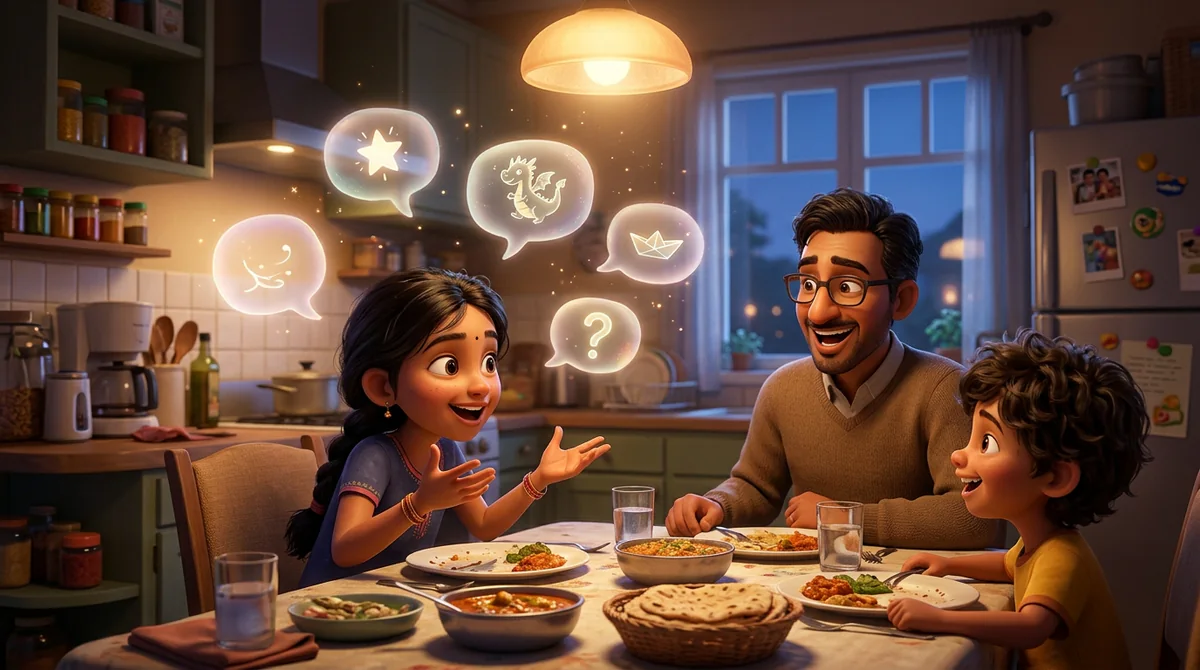
A simple five-part shape (opinion, reasons, an example, the other side and a conclusion), sentence starters, sample paragraphs for ages 7 to 14, and topics children actually care about.

Five questions that turn "It was good" into a review someone would want to read.

The skills employers and schools expect to matter most as AI spreads, what each one looks like in a child aged 6 to 14, and simple everyday ways to build them, most of which start with a book and a conversation.
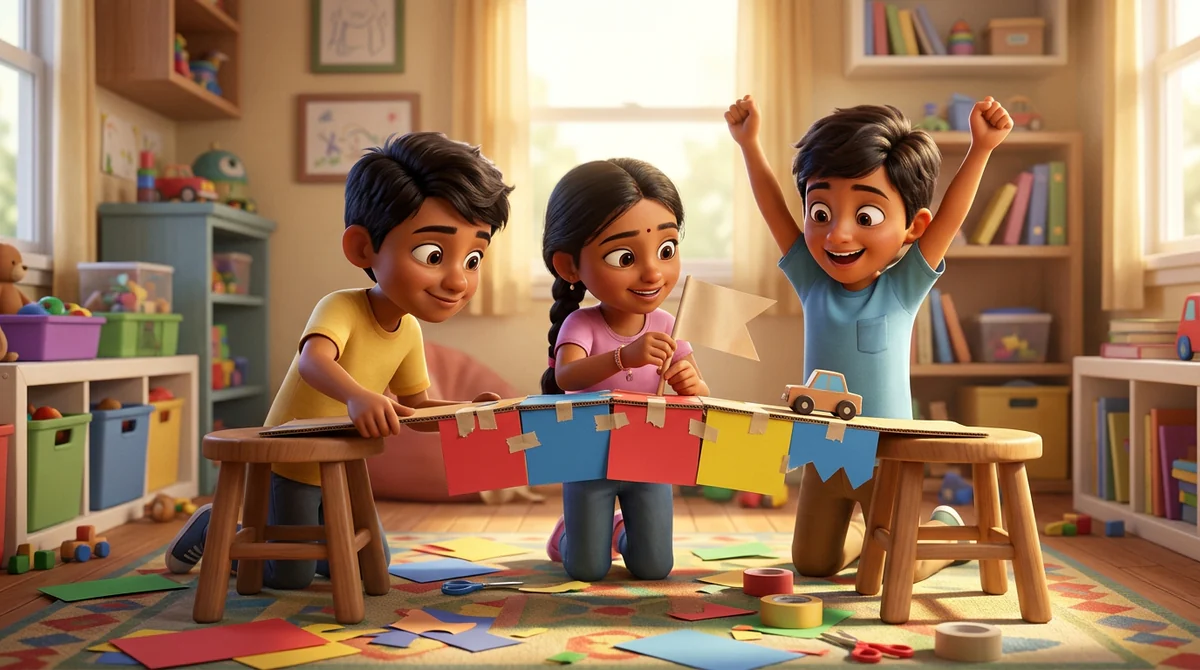
Prompts about me, feelings, good things, what-ifs, story starters and books, with how to start a journal and keep it going.

A parent's checklist for any class, app or activity, what different kinds of activity build, the warning signs to watch for, and how to plan a balanced week without overloading your child.
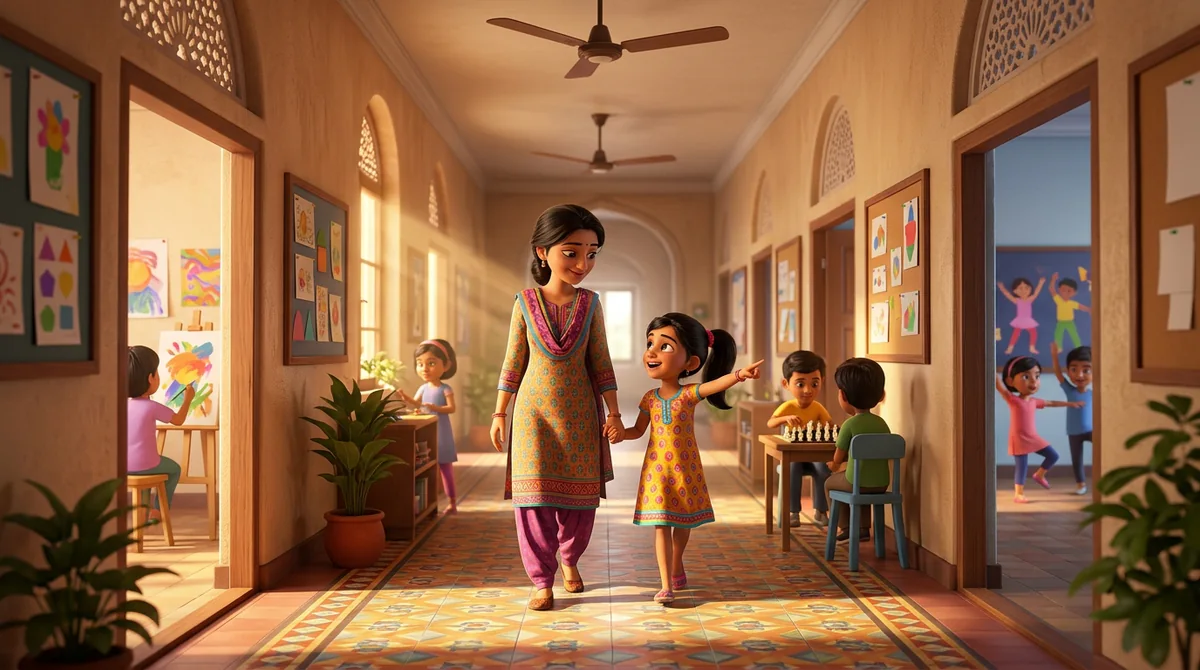
Twenty ideas that make reading cosier, more their own and easier to share, with a quick guide by age and budget.

Ready-to-use words for the moments your child says "I can't do it", "I'm stupid" or "I give up", what the research really says, and how to praise in a way that helps.

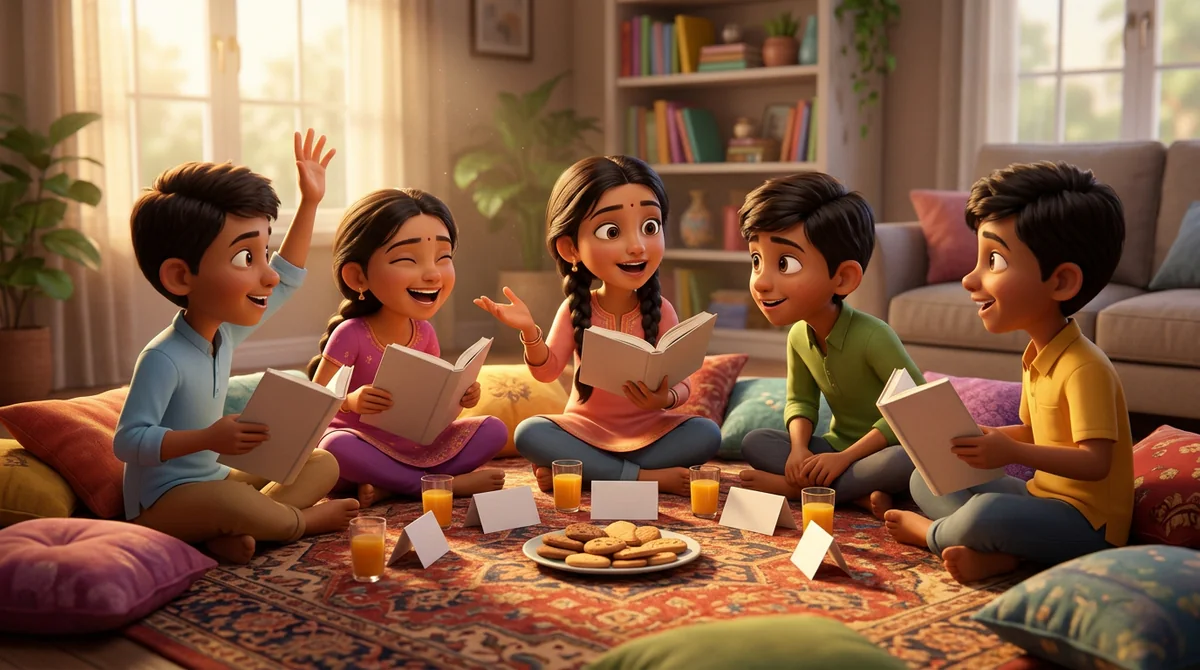
Who to invite, how to choose the books, a first-meeting plan with timings, and how to keep every child talking.
AI can explain, quiz and give feedback, or it can do the thinking for your child. Simple family rules for homework, privacy and spotting fakes.

Why children say "fine", 40 questions sorted by the moment, and the listening moves that keep them talking.