Books they won't put downBooks they won't put downFree list, picked just for themFree list, picked just for them
Why so many children groan at writing, seven things that help at home, and the signs that it's more than a dislike.

Confidence with the words and confidence with ideas. How to give your child easy wins, praise that helps, and a way to read aloud without the fear.

What "I don't like reading" usually means, why so many children stop around nine or ten, and a step-by-step way back to books.

Why some children read slowly, how fast is typical at each age, when slow reading is worth checking, and practice that builds fluency without pressure.

What executive function is, what to expect at each age from 6 to 14, and everyday games, routines and habits that help a child remember, plan and stay on track.

Good all day at school, then tears and slammed doors at home. What after-school restraint collapse is, why it happens, and a calm plan for the first hour home.

Why some children read every word but can't tell you what happened, and seven calm ways to build understanding at home, from picturing the story to retelling it.

What to check first, when to ask for help, and calm, practical ways to support a child who finds reading hard.

Why a mentor matters, where to find one, the safety checks to insist on, and the questions to ask before your child's first session.
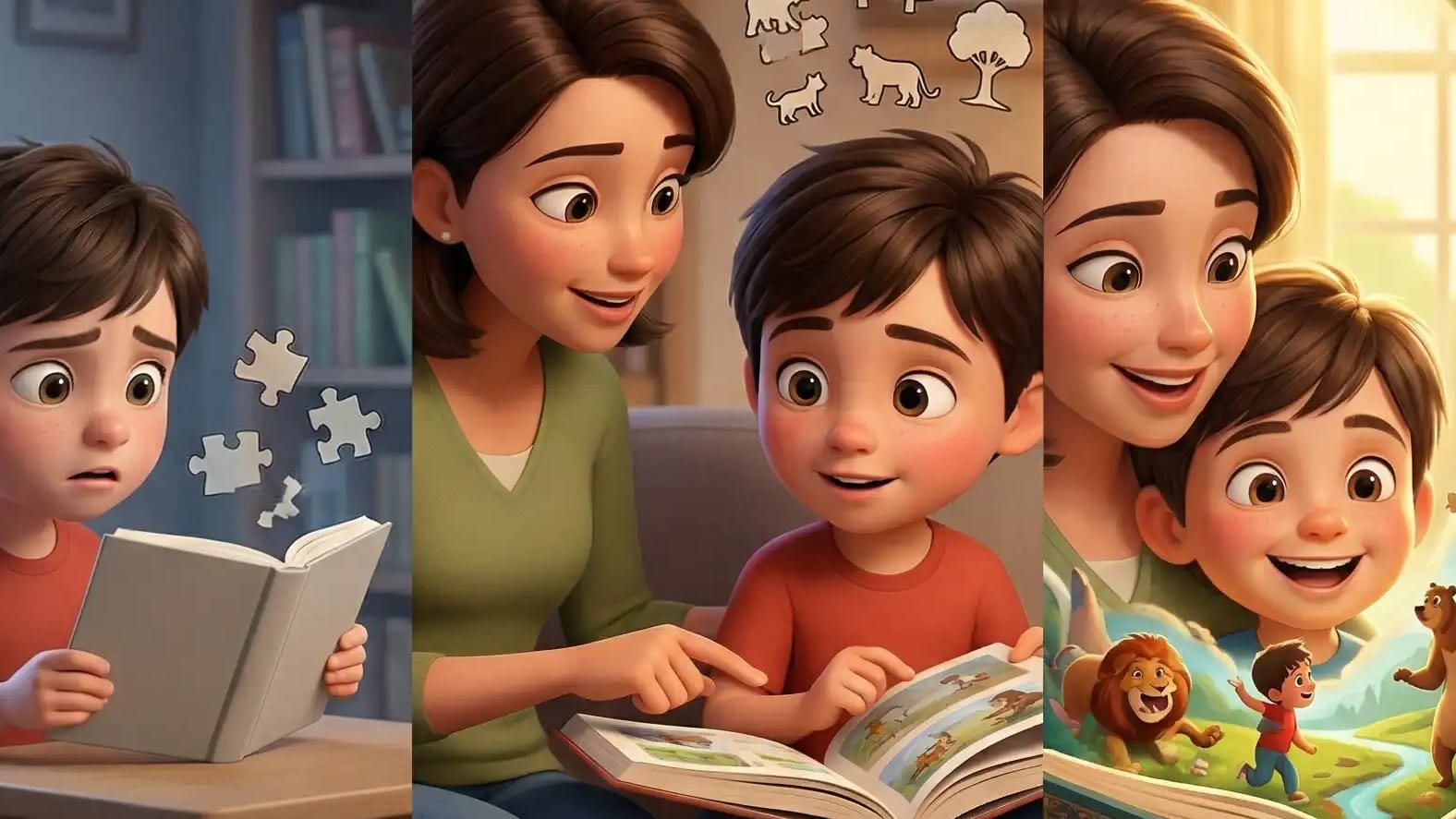
Ready-to-use words for the moments your child says "I can't do it", "I'm stupid" or "I give up", what the research really says, and how to praise in a way that helps.