Reading Challenge for Kids 2027: 12 Months, 12 Kinds of Book
One kind of book a month, chosen by your child. Book ideas for every month, a family version and a harder version for keen readers.
It's the first week of January. Your child has a new notebook, a new pencil case and, if you're lucky, a resolution to "read more". By February, the notebook is half-empty and the resolution has quietly gone.
"Read more" is hard to keep because it has no shape. A reading challenge gives it one: a small, clear goal each month, a finish line in December, and a reason to try books they would never have picked up on their own.
This is a challenge for 2027, for children aged 6 to 14: one kind of book a month, chosen by your child, with no reward charts and no minutes to log. It works for a reluctant reader who needs a nudge, and for a keen reader who has been rereading the same series for a year.
In short
- Twelve prompts, one a month: a funny book in January, a mystery in April, a myth in September, and so on.
- Your child chooses the book within each prompt. Choice is what keeps a challenge going.
- No prizes, no minute logs. The finish line is the reward, and a family "book of the year" vote in December is the celebration.
- Three versions: younger readers (read-alouds count), the main challenge, and a stretch version for keen readers.
- Talk about each book for a few minutes. That is where the challenge does its real work.
- Copy the list onto a sheet of paper and put it on the fridge.
The 2027 challenge
| Month | Read a book that… | Ideas |
|---|---|---|
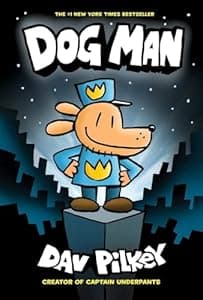
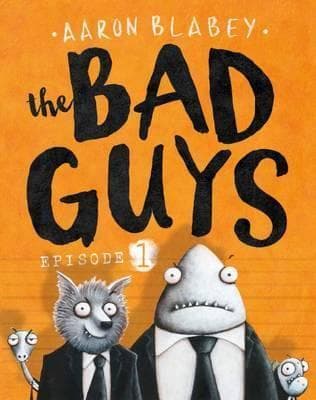
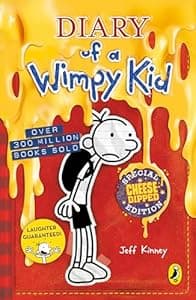
| January | makes you laugh | Funny books |
| February | is about friendship | Books about friendship |
| March | is set in India or written by an Indian author | Indian books for kids |
| April | is a mystery | Mystery books |
| May | is true | Non-fiction books |
| June | is a big adventure | Adventure books |
| July | tells its story in pictures | Graphic novels |
| August | has an animal at its heart | Animal books |
| September | retells a myth or legend | Mythology books |
| October | is set in another world | Fantasy books |
| November | is about how someone feels | Books about feelings |
| December | you read aloud together, or a favourite to reread | Read-aloud chapter books |
Starting before January? Our winter break reading plan bridges the holidays.
Why a kind of book, not a number
Most reading challenges count: 25 books, 1,000 minutes, 100 nights. Counting suits some children, but it also rewards short, easy books and makes a long one feel like a penalty. A challenge built on kinds of book does something different: it widens what a child reads.
A child who only reads fantasy meets a mystery in April and a true story in May. Some of those months will be a struggle. One of them, usually the one nobody expected, turns into a new favourite.
That matters more than it used to. In 2025, the National Literacy Trust found that only about one in three children and young people aged 8 to 18 (32.7%) enjoyed reading in their free time, the lowest level in the twenty years it had been asking. A challenge won't change that on its own. But a year of trying new kinds of book, with someone to talk to about them, is one of the surest ways for a child to find the book that makes them a reader.
The rules
- Your child chooses the book. The prompt sets the kind; the choice is theirs. In a Scholastic survey, 89% of children aged 6 to 17 agreed that their favourite books are the ones they picked out themselves.
- Any length counts. A short graphic novel and a 400-page fantasy both tick the box.
- Months can swap. If the mystery arrives in June, that's fine. The order is a suggestion.
- Stopping is allowed. If a book isn't working after a fair try, swap it for another of the same kind. Finishing a book they dislike only teaches them that reading is a chore.
- One book per prompt is enough. Keen readers will read far more; the challenge is the twelve kinds, not the total.
- No prizes. The finish line and the December vote are the celebration. Our guide to motivating children to read without rewards explains why prizes tend to backfire.
Three versions
Younger readers (about 6 to 8)
Read-alouds count. If you read a chapter book to them in February, February is done. Short chapter books, graphic novels and picture-rich non-fiction all count too. Let them draw a small picture of each book on the chart: the drawing is their record, not a prize.
The main challenge (about 8 to 12)
The twelve prompts as written, with one short conversation per book, at dinner or in the car: what was it about, who did you like, would you give it to a friend?
The stretch challenge (keen readers, about 11 to 14)
Keep the twelve prompts, and add four harder ones across the year:
- a classic written more than 50 years ago;
- a book translated from another language;
- a book from a kind you've always said you don't like;
- a book an adult in the family loved at your age.
For extra depth, they can write a three-line review of each book in a reading journal. Our guide to writing a book review shows how. If they're reading above their age, our guide to middle grade vs young adult books helps you check what's in a book before they start.
The family version
Children notice what adults do more than what they say. Do the challenge alongside them: your own funny book in January, your own mystery in April. Swap recommendations. Argue about the December vote.
Grandparents can join from anywhere. Each person reads their own book of the month, and once a month you tell each other about it on a video call. For families living far apart, it's an easy, regular thing to share.
Make reading the part of the week they look forward to
- Talks through a story
- Writes their own story
- Your report on WhatsApp
Talk about each book
The challenge is a list of twelve books. What makes it worth doing is the conversation after each one. You don't need a worksheet; one good question at the right moment is enough:
- "Would you give this book to a friend? Which friend?"
- "Who was the most interesting person in it?"
- "Was it better or worse than last month's book? Why?"
Our guide to questions to ask your child about a book has many more, sorted by age.
December: the book of the year
At the end of December, lay out the twelve books, or a list of them. Each person in the family picks their favourite and makes a one-minute case for it. Then vote, and write the winner on the first page of next year's reading journal.
It's a small ceremony, and children remember it. It also starts the next year's reading: the runners-up usually have sequels.
If your child falls behind
Most families miss a month or two. That's fine. Don't double up to catch up; just pick up the next prompt. A year that ends with nine kinds of book is still a wider year of reading than the one before it.
A reading partner for the year
Some children do best with someone outside the family to read with. In a Bookstaken session, your child reads a real book picked for their interests, their own physical copy, and talks it through one to one with a trained college mentor on Google Meet. Most children finish a book in four to six sessions, with a short reading quest between sessions to keep the story going. At the end they give the book their own verdict, and they write a story of their own, chapter by chapter.
It's for children aged 6 to 14 who can already read, keen readers and reluctant ones alike. The first 60-minute session is free. See how it works.
Questions parents ask
What is a good reading challenge for kids?
One with a small, clear goal each month that your child can meet with a book they choose. A challenge built on kinds of book, such as a mystery, a true story or a myth, widens what they read; one built only on numbers tends to reward short, easy books.
How many books should a child read in a year?
There's no right number. A child who reads a little every day will read many more than twelve. This challenge asks for twelve different kinds of book, not a total.
Should I give rewards for a reading challenge?
It's better not to. Prizes can turn reading into a job to get through. Let the finish line and a family book-of-the-year vote be the celebration.
Do audiobooks and graphic novels count?
Yes. Graphic novels have their own month in this challenge, and audiobooks count for any prompt, especially for younger readers and long books.
How do I get my child to stick with a reading challenge?
Let them choose every book, allow swaps and stops, keep the list where everyone can see it, and talk about each book for a few minutes. Doing the challenge alongside them helps most of all.
Sources
- National Literacy Trust (2025). Children and young people's reading in 2025.
- Scholastic (2019). Kids & Family Reading Report, 7th edition.
More guides on this topic: Reading habits and confidence
Latest Articles
Similar Articles
Want Your Child to Experience Books More Deeply?
Bookstaken pairs kids with caring mentors who turn reading into engaging conversations, inspiring them to eventually write their own stories.
Responses
No responses yet. Be the first to share your thoughts.
Love books yourself? Get paid to read with kids as a Bookbuddy
