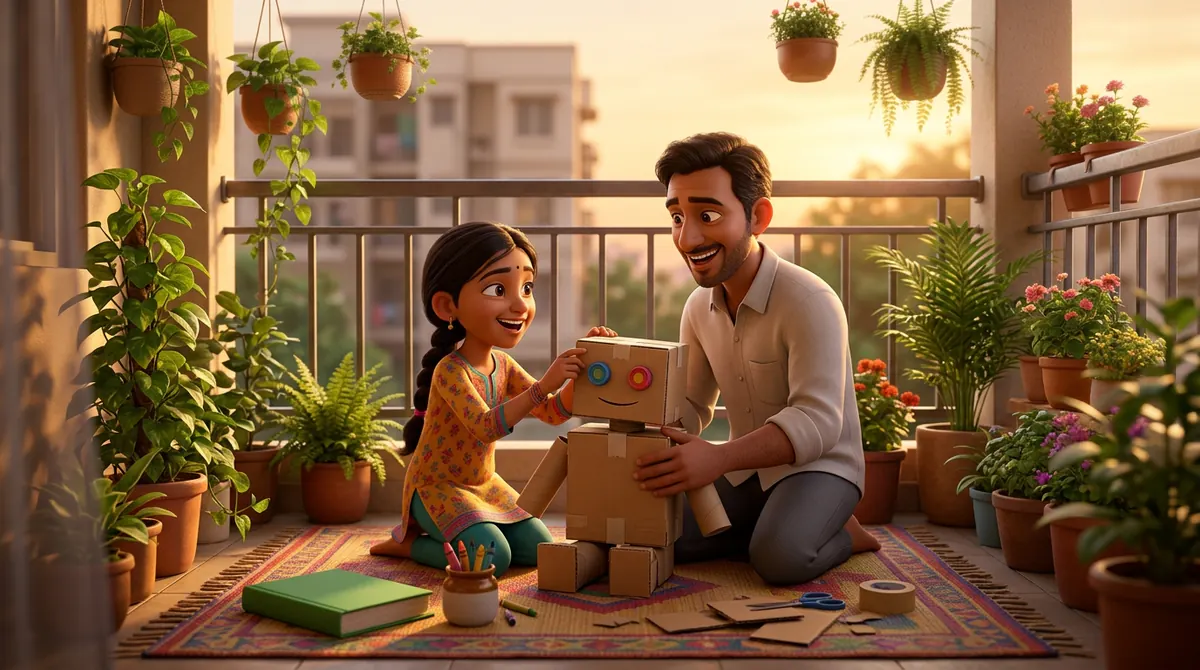
Five questions that turn "It was good" into a review someone would want to read.

The story format most schools ask for (title, beginning, problem, ending), worked examples for Classes 2 to 8, writing from an outline, and what to do when your child is stuck.
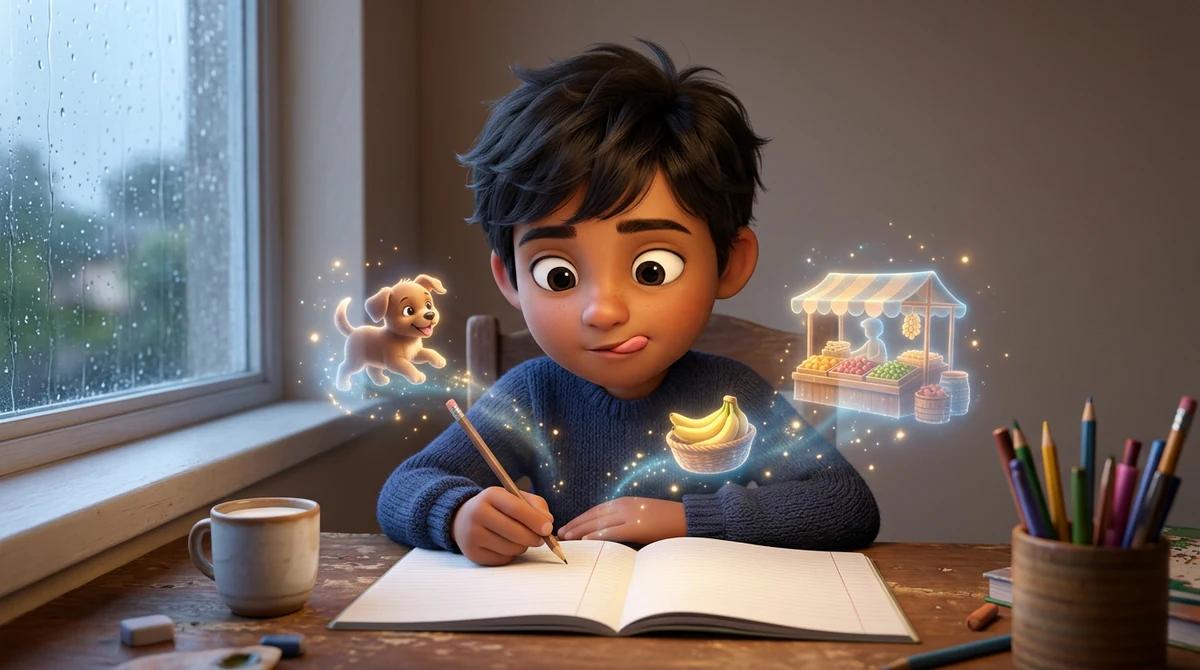
A parent's checklist for any class, app or activity, what different kinds of activity build, the warning signs to watch for, and how to plan a balanced week without overloading your child.
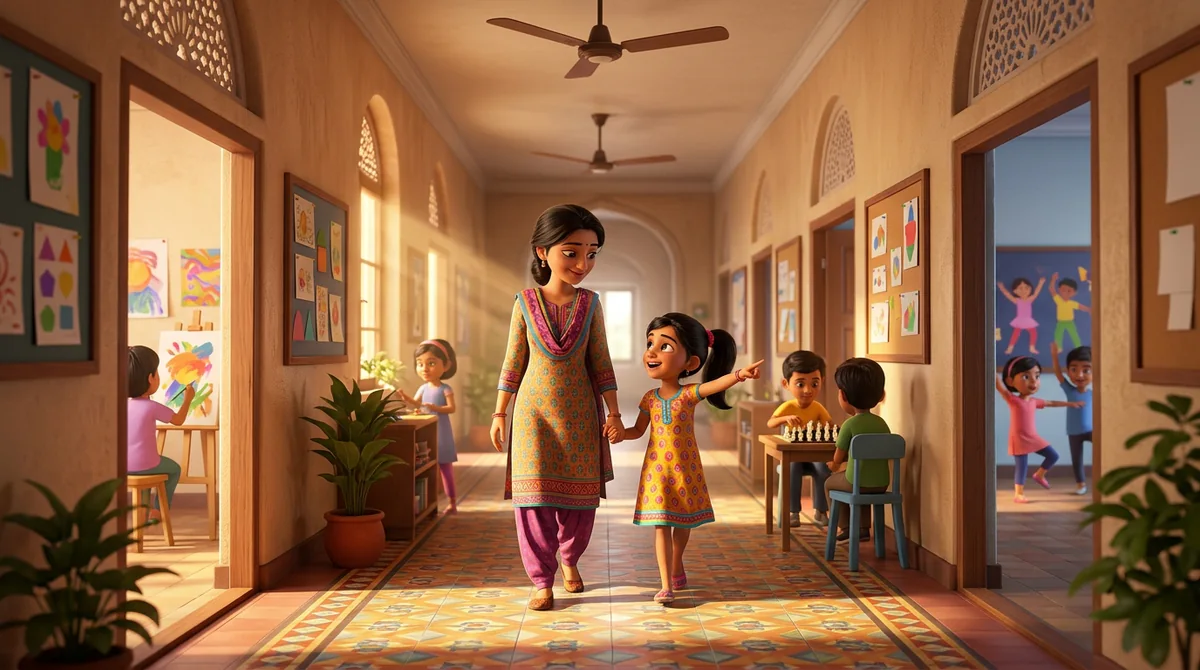
Eight ways to help, from planning and talking first to reading more and writing for a real reader, with what to expect at each age.
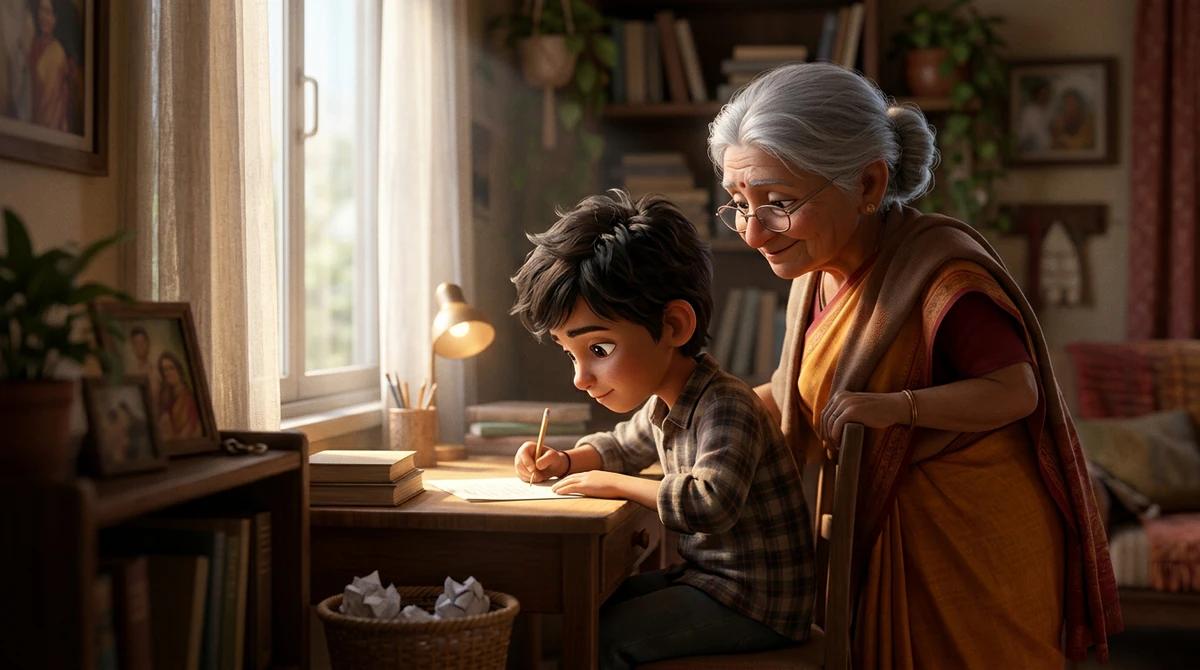
Free time, open-ended materials, "what if" questions, finishing their own ideas, and books as raw material for stories.
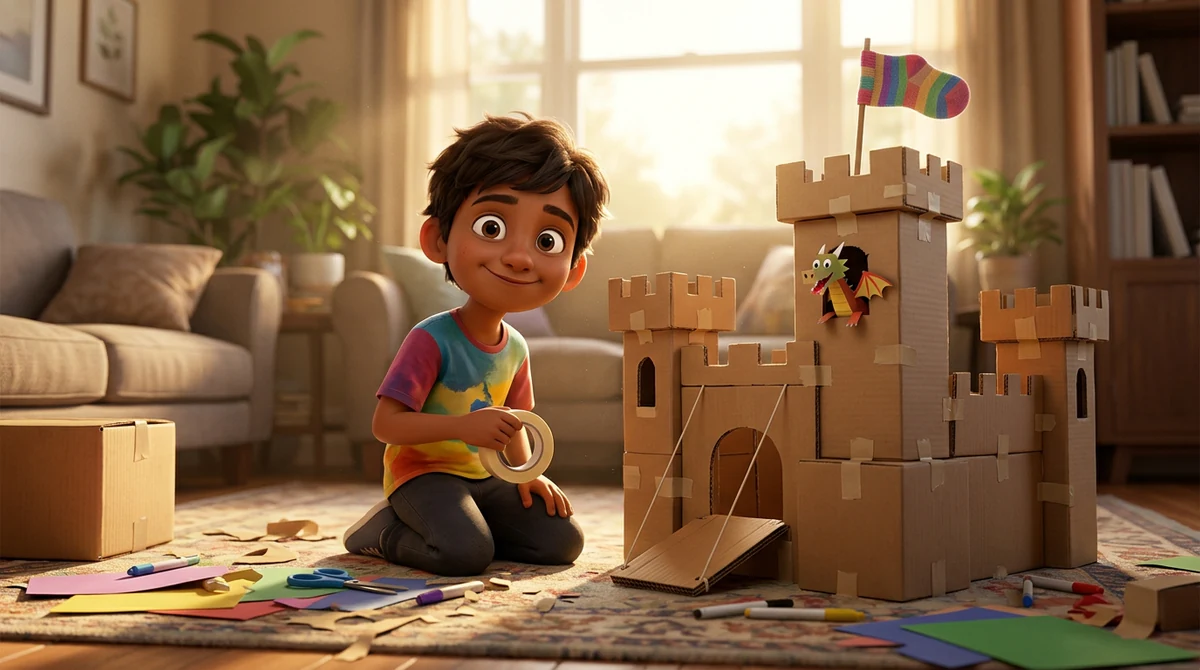
The skills employers and schools expect to matter most as AI spreads, what each one looks like in a child aged 6 to 14, and simple everyday ways to build them, most of which start with a book and a conversation.
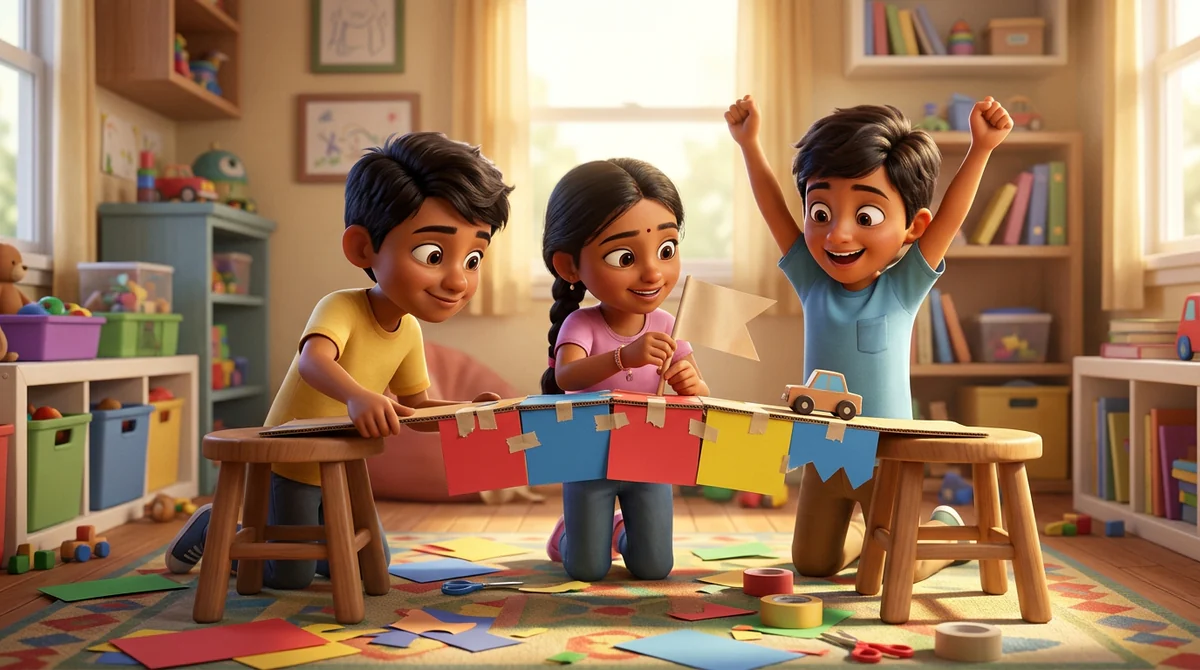
Classes, tuition, sport and music can leave a child with no time to just be a child. The signs of an overscheduled child, how to decide what stays, and how much free time children need.
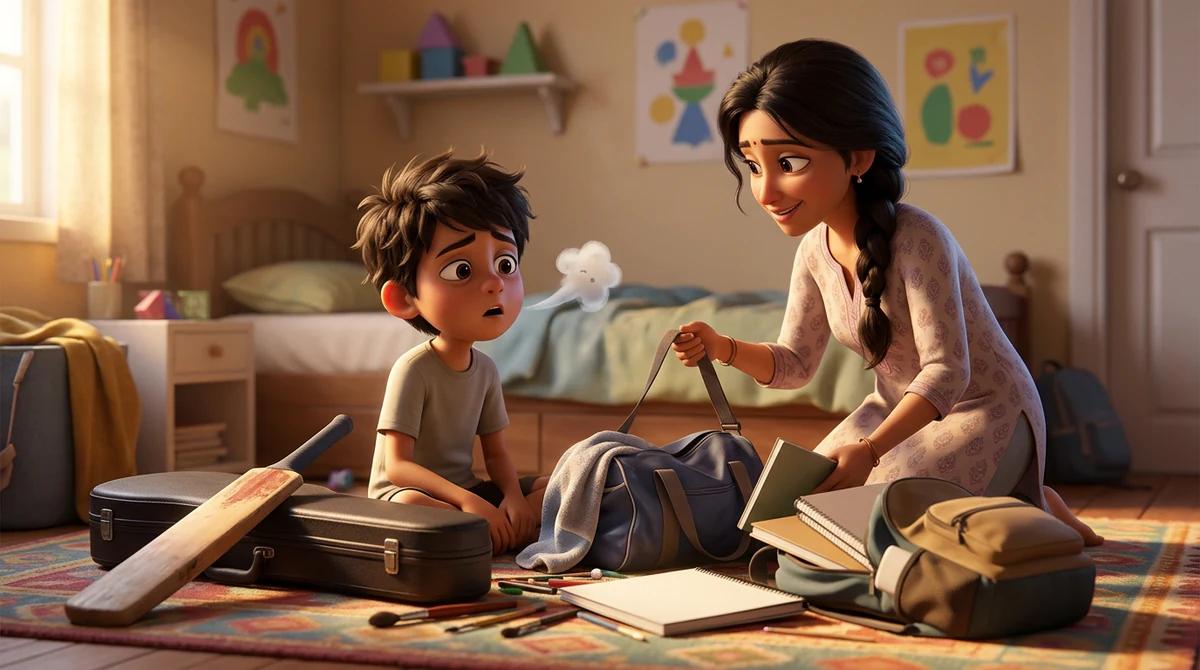
What is really changing in work and school, what AI can't do for your child, and exactly what to give them now, from real books and daily conversation to hard problems, other people and simple rules for AI.