Why a summary is not the same as reading the book, how deep reading and writing build the judgement children need to use AI well, and how to keep real reading going alongside new tools.
Eight benefits with real evidence behind them, how strong each one is, and the kind of reading that brings them.

What studies of fathers reading with children have found, why dads often read a little differently, and easy ways in, from funny books and non-fiction to terrible voices.
How to explain AI to a child of 6, 10 or 14, five things every child should know about it, activities to try together, what to say about AI "friends", and how to answer big worries calmly.
The skills employers and schools expect to matter most as AI spreads, what each one looks like in a child aged 6 to 14, and simple everyday ways to build them, most of which start with a book and a conversation.
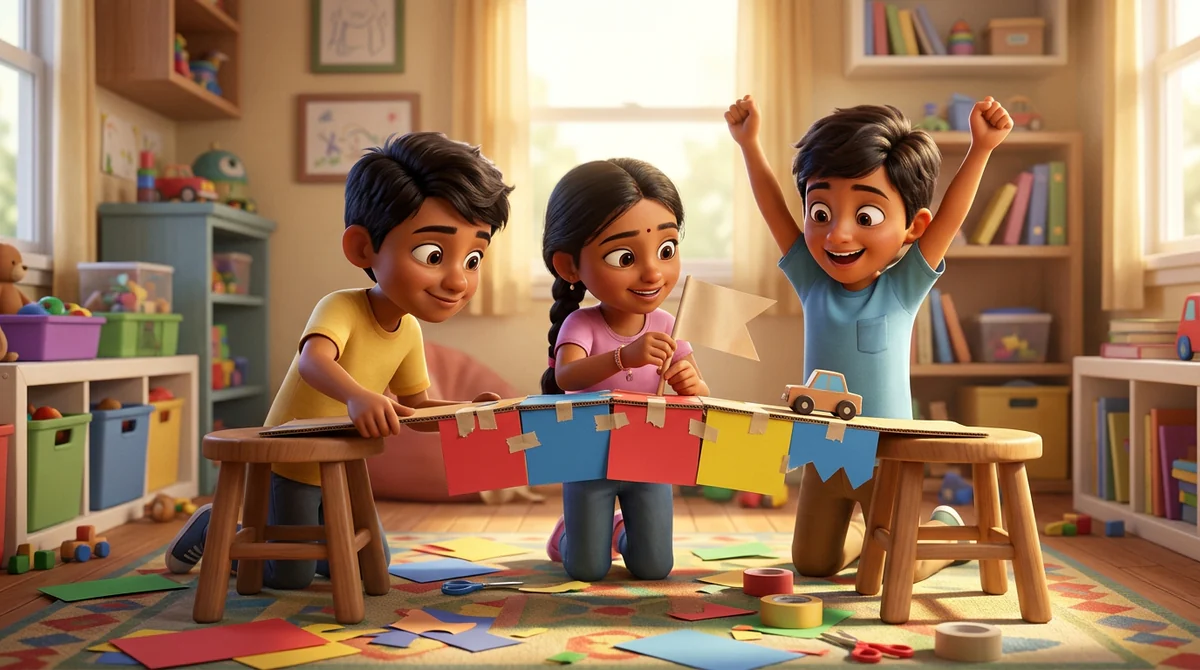
India's reading targets for Classes 1 to 3, what surveys show children actually manage, signs worth raising with the teacher, and what helps at home.
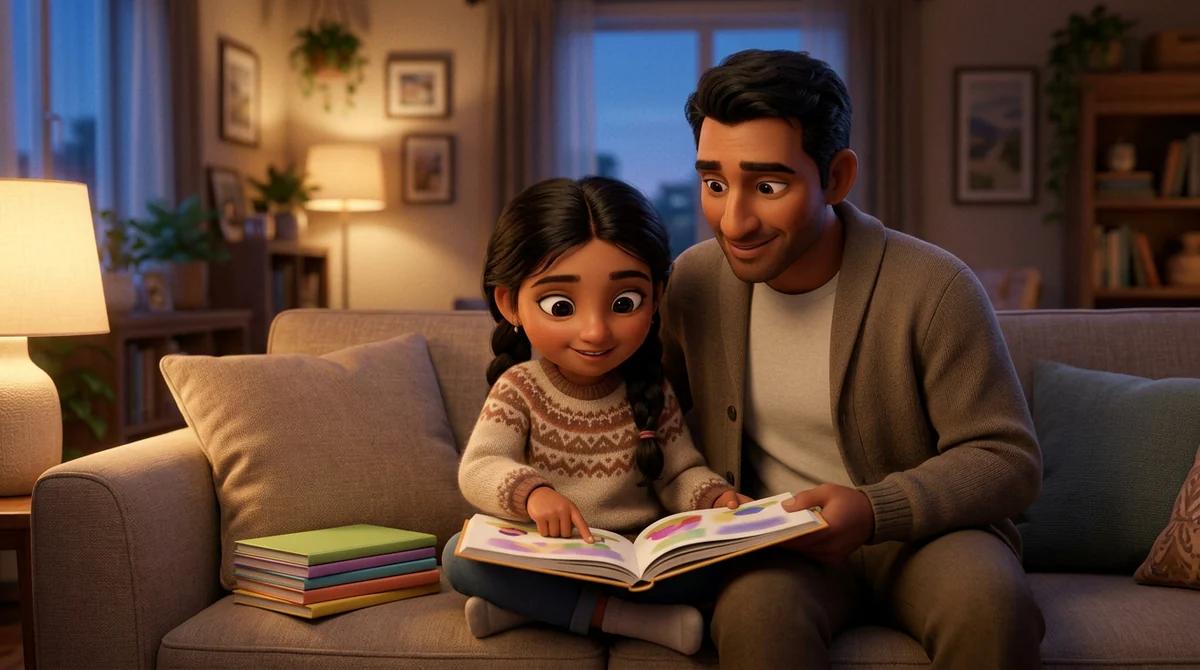
15 practical ideas to make reading fun for kids, from book choice and reading games to cozy spaces and creative story conversations that boost motivation.
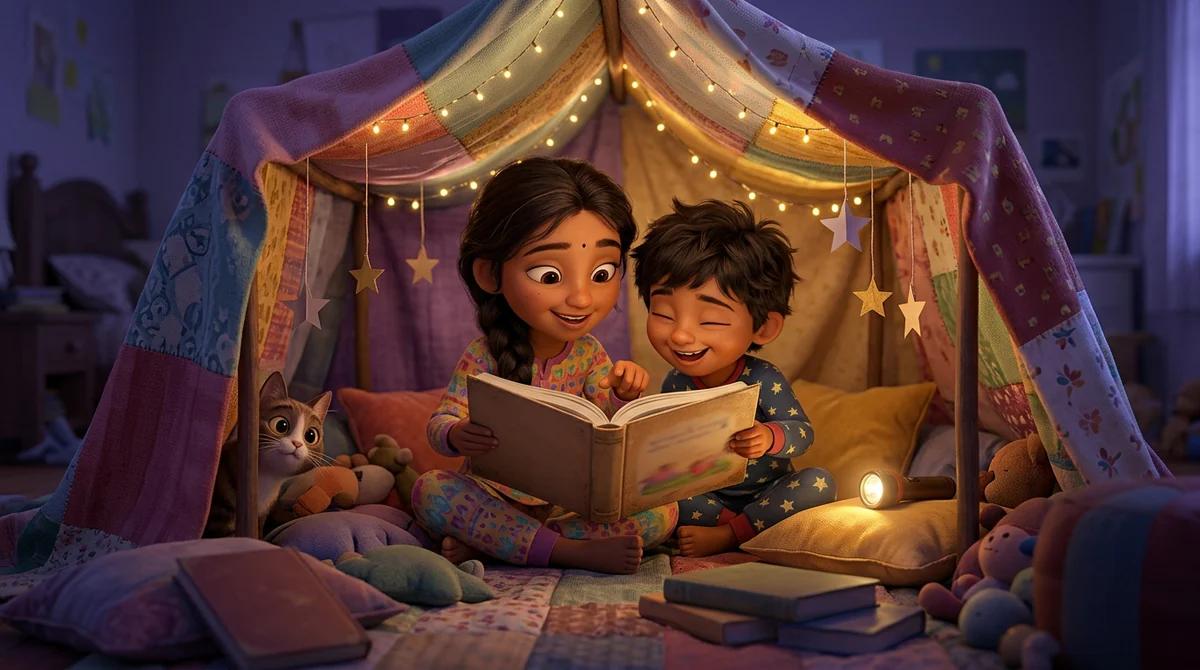
What brain studies found, why books feel hard after screens, and how to help your child reach for a book more often.

Why some children read every word but can't tell you what happened, and seven calm ways to build understanding at home, from picturing the story to retelling it.
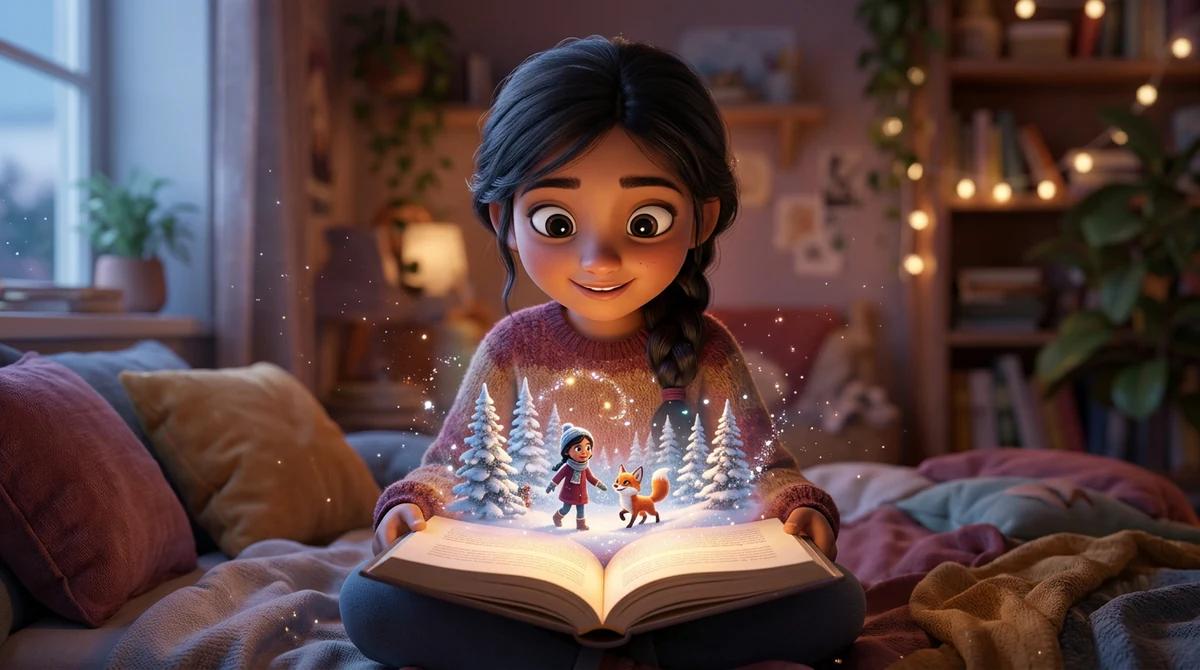
Learn simple ways to check if a book is the right level—so your child reads with flow, confidence, and enjoyment instead of frustration.