Quiet, anxious or not ready yet: how to tell the difference, eight steps that help, and 15 easy topics to practise with.
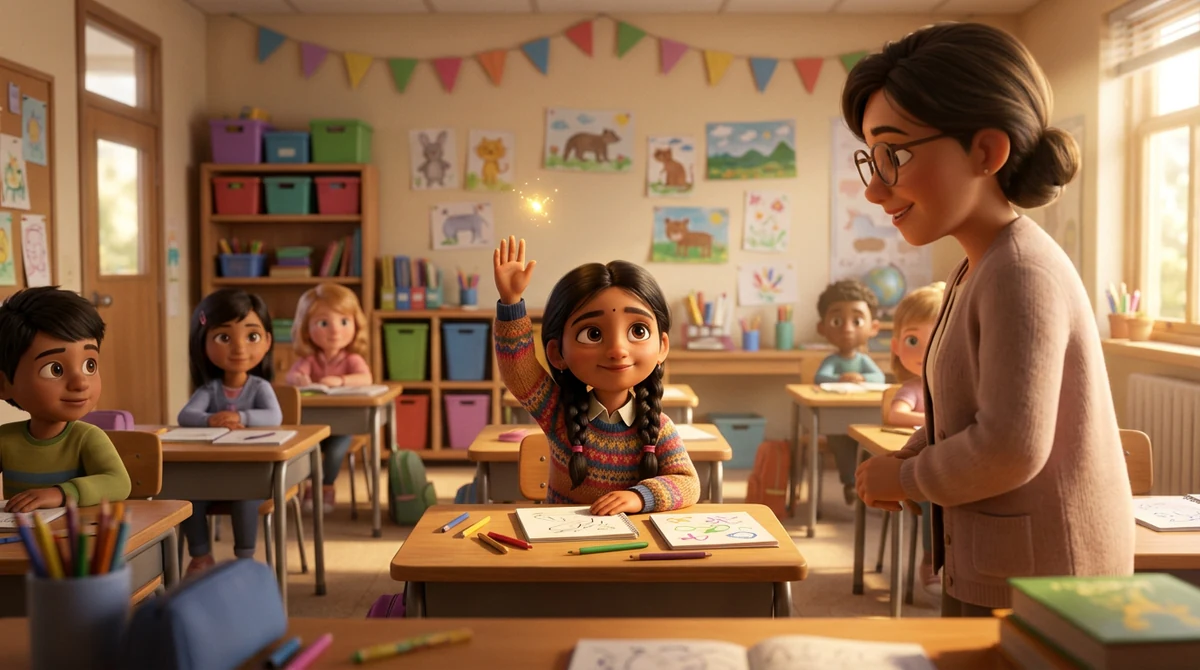
Why some children stop after two pages, and a simple plan to help them read for longer, a minute at a time.

Shyness is common and often a strength. How to help a shy or socially anxious child make friends at their own pace, what to say, and when shyness needs more support.

The gentle handover from reading to them to reading on their own: shared chapters, first series, audiobooks and quiet reading time.

The story format most schools ask for (title, beginning, problem, ending), worked examples for Classes 2 to 8, writing from an outline, and what to do when your child is stuck.

A simple shape for any story, how to use voice and pauses, bedtime stories you make up together, and getting ready for a school storytelling competition.

Signs to look for, what to say, how to help them find friends and someone to talk to, and when loneliness needs more help.
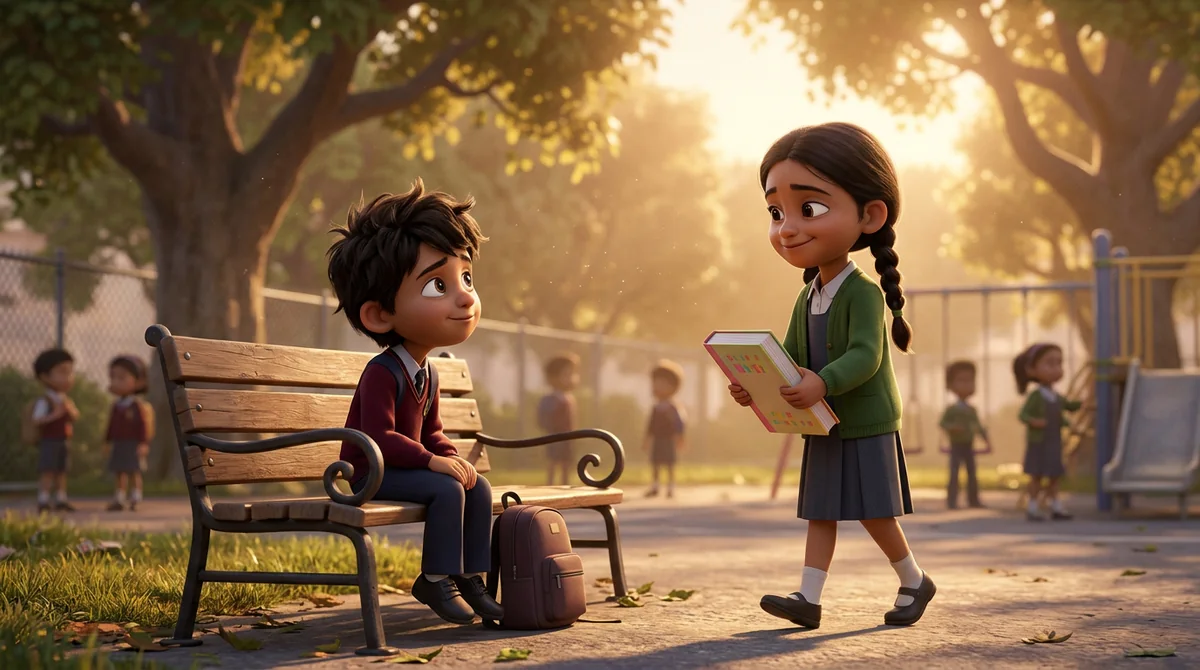
Why a mentor matters, where to find one, the safety checks to insist on, and the questions to ask before your child's first session.

Only children aren't lonelier or more spoiled than others, but they do need a different plan for company, play and time alone. Practical ideas for ages 6–14.
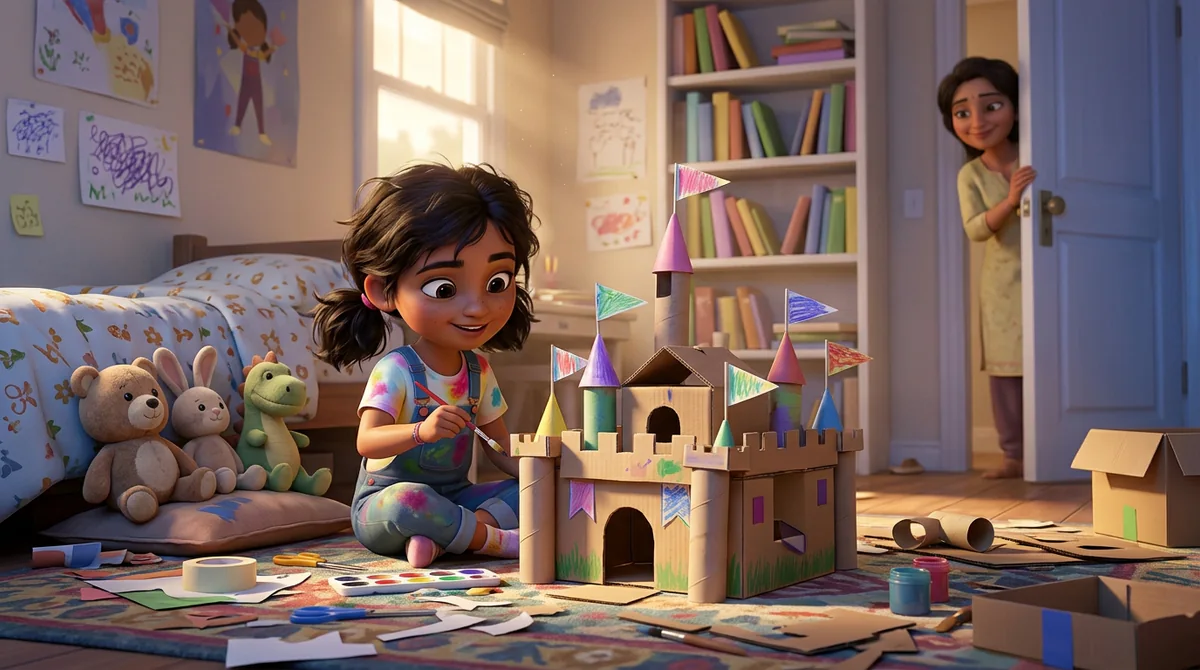
Why some children read every word but can't tell you what happened, and seven calm ways to build understanding at home, from picturing the story to retelling it.