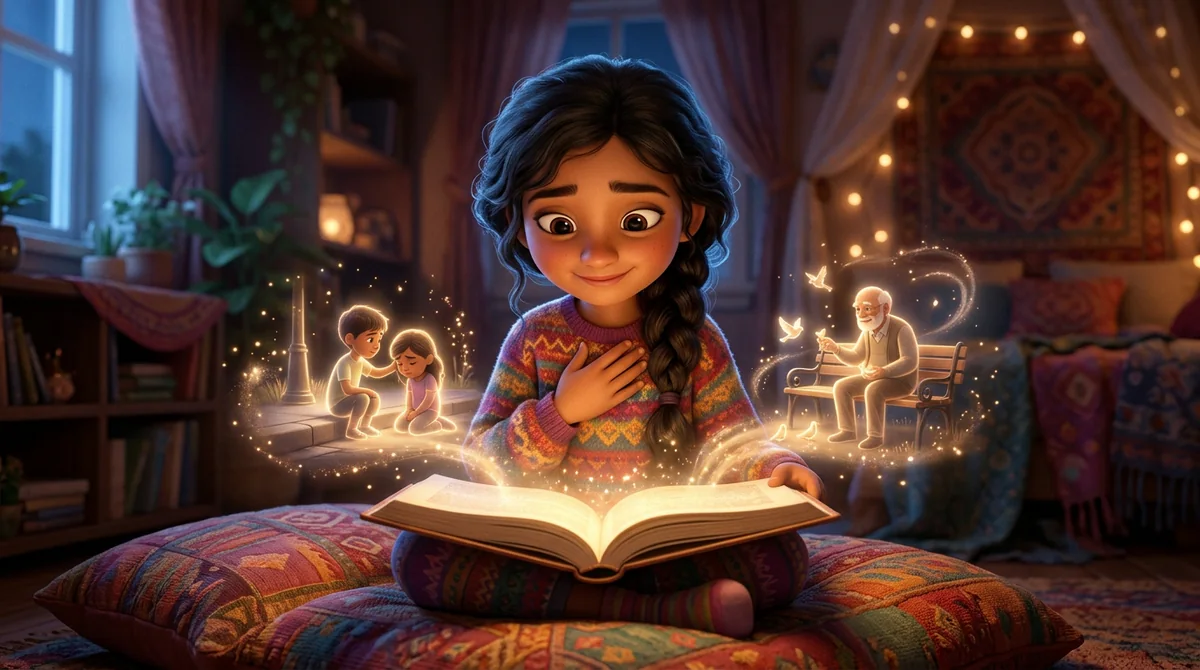
Death, war and violence in children's books: what to know before they start, what to say after, and when to pause.
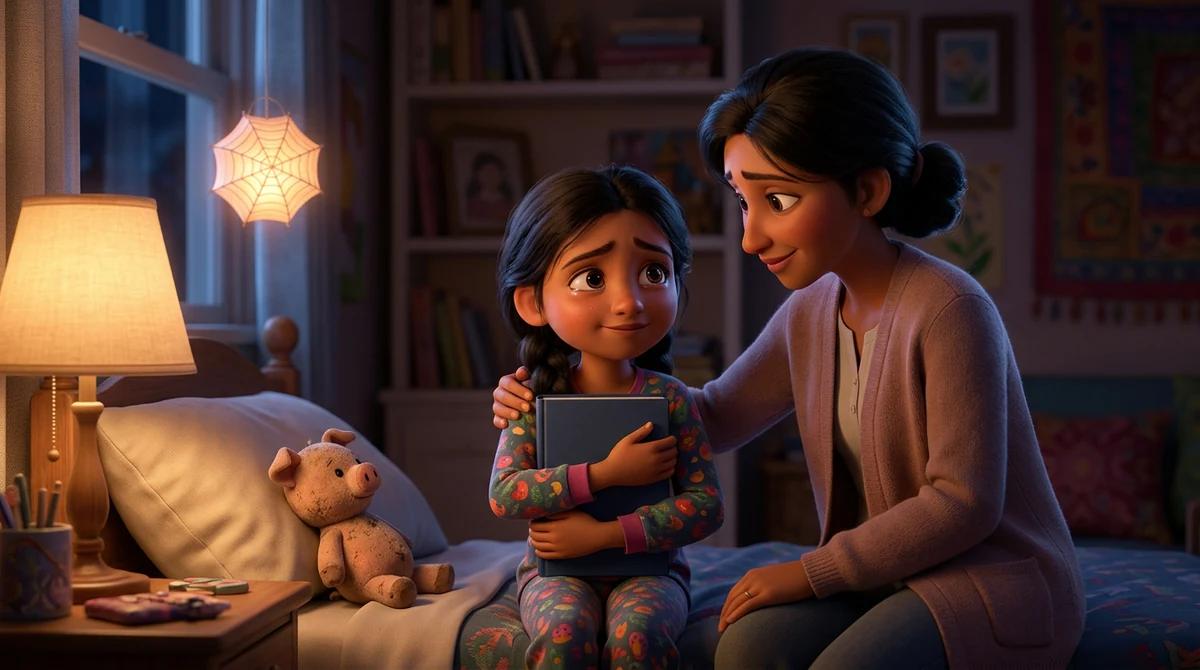
What changes between the two shelves, the signs your child is ready, and how to say yes safely.
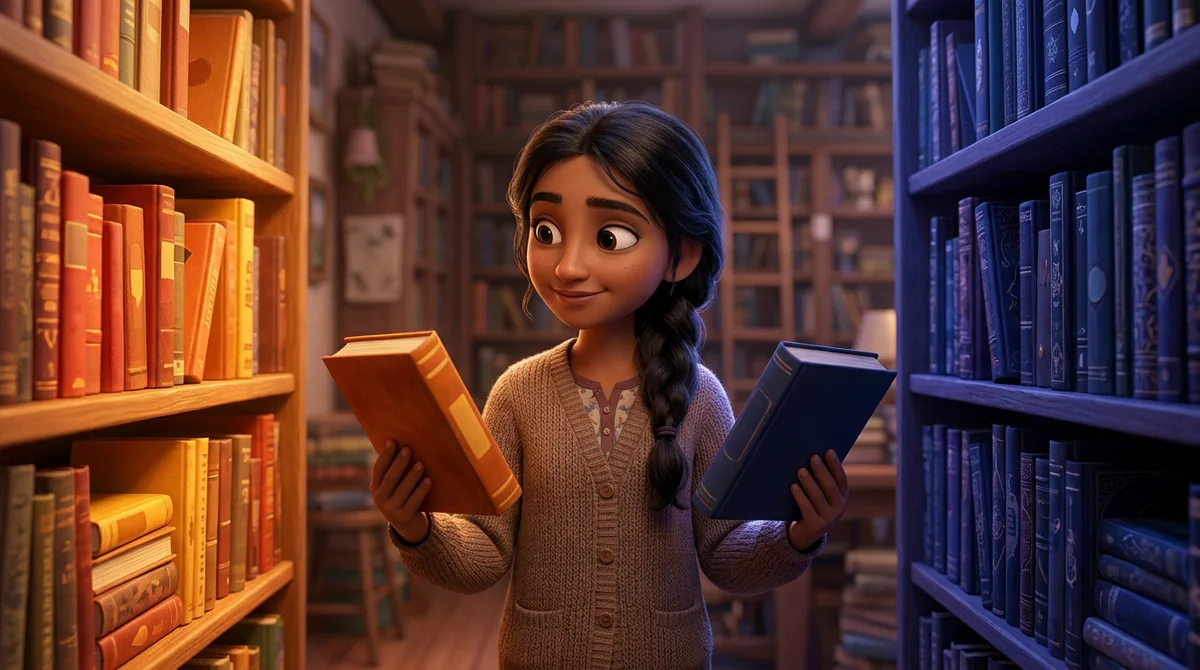
The story format most schools ask for (title, beginning, problem, ending), worked examples for Classes 2 to 8, writing from an outline, and what to do when your child is stuck.
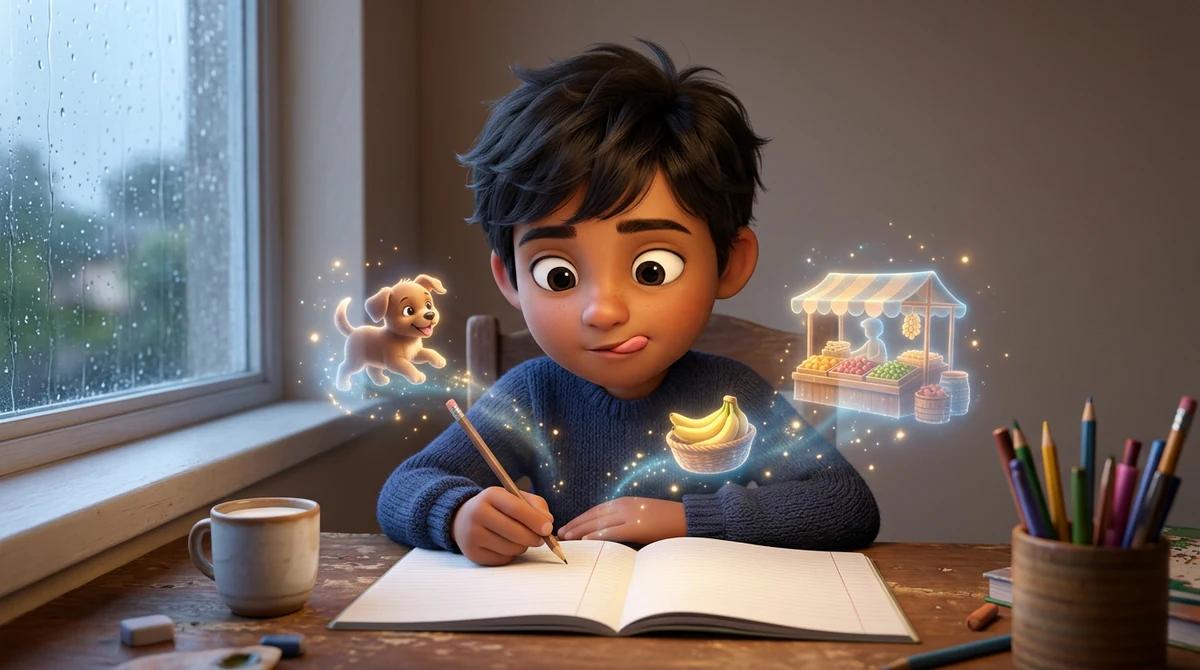
Signs to look for, what to say, how to help them find friends and someone to talk to, and when loneliness needs more help.
Confidence comes from being capable and being heard. Ten everyday habits, the praise that helps, and what to say instead.
Reading improves writing by building vocabulary, sentence structure, story sense, and creativity. Learn how books quietly teach kids to write better.
Words for feelings, talking side by side instead of face to face, phrases that open a conversation, and characters in books as a safe way in.

Quiet, anxious or not ready yet: how to tell the difference, eight steps that help, and 15 easy topics to practise with.
Stories help children practice perspective-taking and emotional understanding. Learn how reading fiction supports empathy, kindness, and social skills.